Welcome to Oman's second city and the capital of the southern Dhofar region. Whether you are visiting Salalah for a short stay as part of a longer holiday in Oman or road-tripping from Muscat, you’re going to want at least three nights here. In this post I’m going to share our tried and tested 3 day itinerary for Salalah to help you plan your own visit.
But before the good stuff, I'd like to thank you for visiting Oman Wanderlust and also encourage you to join our Facebook group Oman Unpacked. It's a community to get even more personal recommendations from visitors and expats who love Oman.
*This post contains affiliate links. If you click and buy something, I may earn some commission. This is at no extra cost to you but helps me cover the costs of running this website. See my privacy policy and disclosure policy for more information (links in footer).*
Why people visit Salalah

Salalah is famed throughout the Arabian Peninsula for its monsoon, which attracts more than a million visitors between June and September. It's rainy, humid and green - everything residents in the region crave.
If you're from Europe, you're probably thinking 'no thanks'. But hold that thought.
Salalah is not stormy all year round. Between October and May it is a winter sun destination where you can soak up Oman's natural and cultural attractions with fewer tourists than in Muscat.
Three days in Salalah
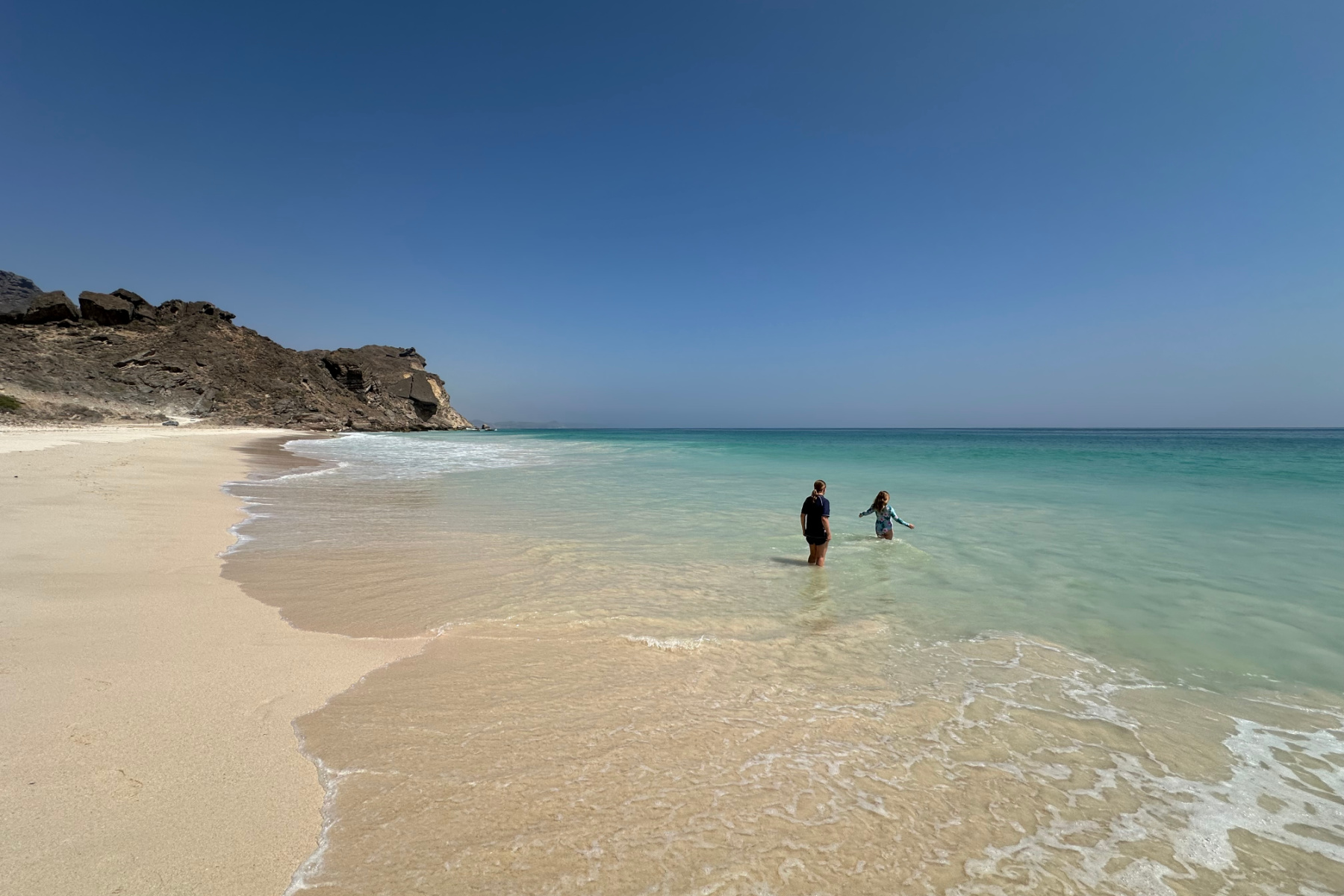

The following itinerary is based on our own visit to Salalah after living in northern Oman for two years. We visited in February, which is considered part of Dhofar's low season, when it is quieter, and the weather is warmer and calmer.
You can use this itinerary regardless of the time of year but expect the weather to be less settled and for there to be more visitors in the summer months.
Salalah is a destination of two halves: the East and West. Of course, you also need to make time for what’s in between. That is why I have split this itinerary over three days so allow you to plan activities in the city and to either side.
You could add another two days to your itinerary for some extra experiences, which we have already done elsewhere in Oman:
- a night in the Empty Quarter Desert
- dolphin watching tour from Hawana Marina.
One last tip before we get going: if your first day in Salalah is a Friday, switch around day one and day two as the Grand Mosque is only open to tourists from Saturday to Thursday.
Now, here's how I would recommend seeing some of the highlights of Salalah in three days:
Read on to find out more about all these places including links to posts about my personal experiences, attraction websites and Google Maps locations to help you plan independently.
Got longer to explore Oman? Here are some more itineraries to help you plan:
Day 1: Eastern Salalah
We began our visit to Salalah as we drove over Jebel Samhan on the last leg of a road trip from Muscat. If you fly into Salalah I can recommend spending a day exploring the mountains to this side of the city.
This is easy to do by hiring a car or booking a guided tour. Here are the highlights to include in your day:
Jebel Samhan - Dhofar's highest mountain
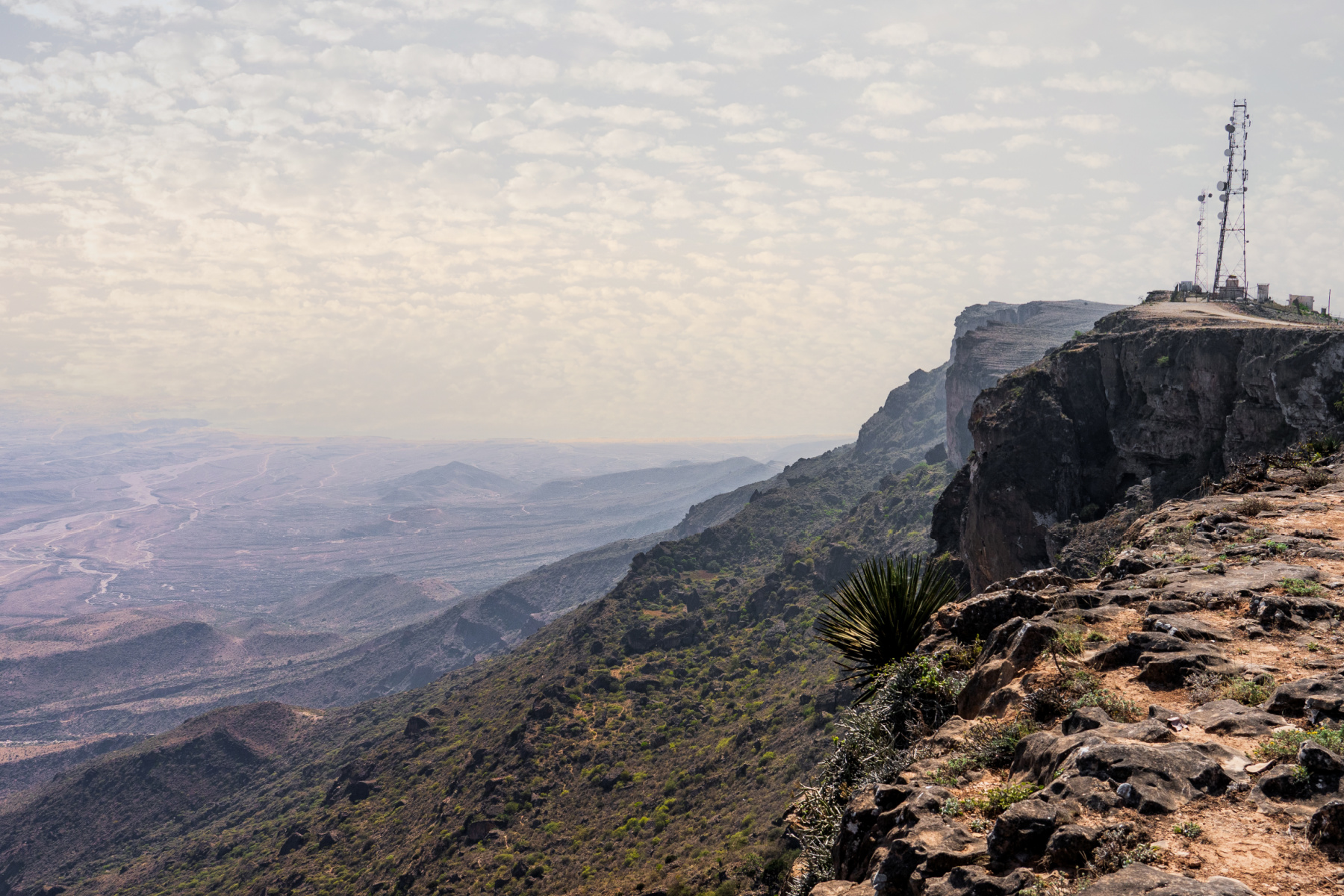

This 2km peak in the Dhofar Mountains is part of a nature reserve famous for providing a habitat for the endangered Arabian Leopard. You can find out more about this beautiful beast in Steve Backshall's Expedition TV series in which he visits Jebel Samhan and scales it's cliffs looking for this elusive big cat.
Of course, you don't need to be a rock climber to enjoy the same panoramic views as Steve. The top of Jebel Samhan is accessible by road just over an hour after leaving the city of Salalah.
You can even get there in a 2WD but be prepared for twists and turns. If you are visiting Salalah just after or before the Khareef there may be low clouds. Here's a high viewpoint from where you can see Salalah and the coast on a clear day.
From here it's a 45 minute drive to another of East Salalah's big attractions.
Wadi Darbat
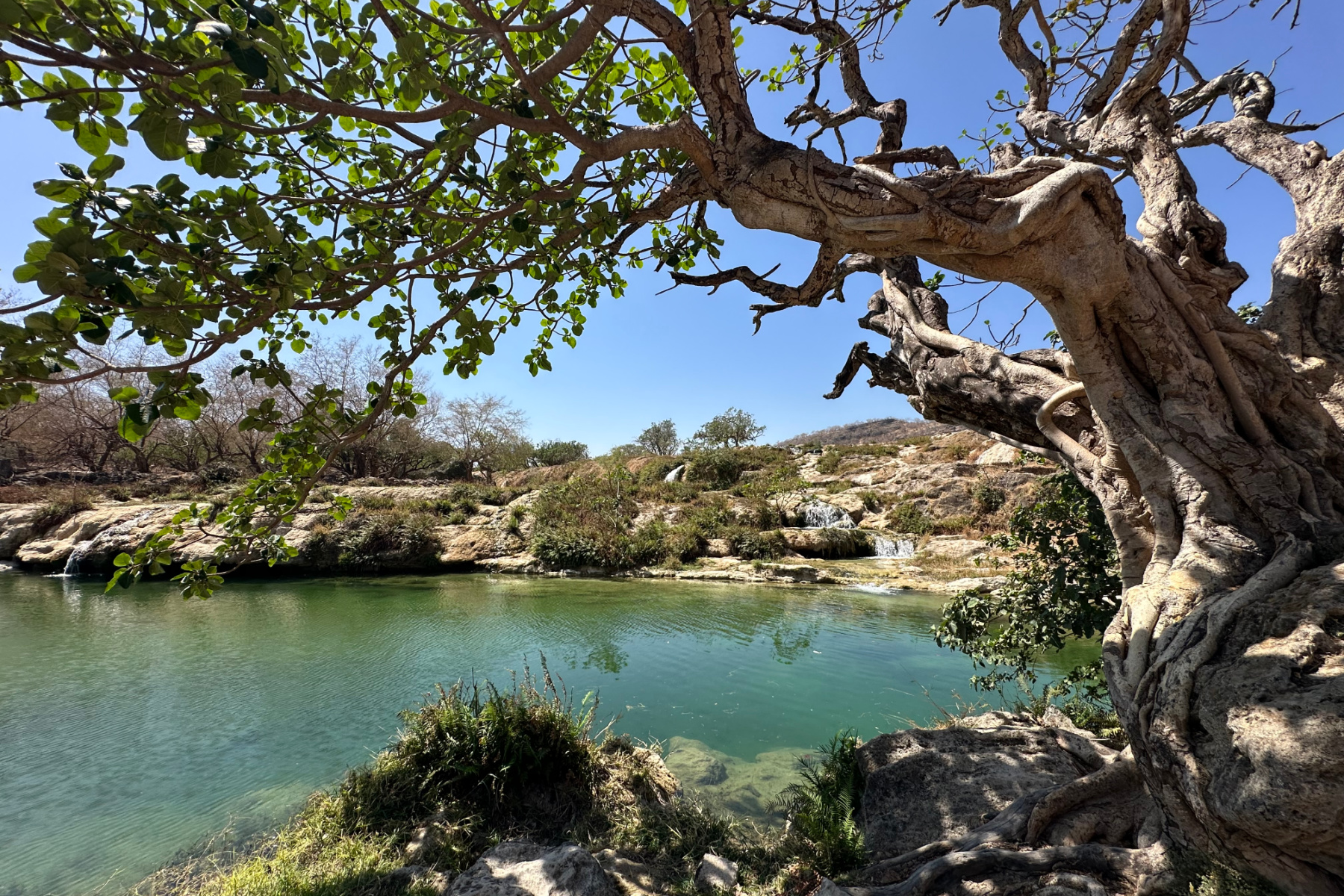

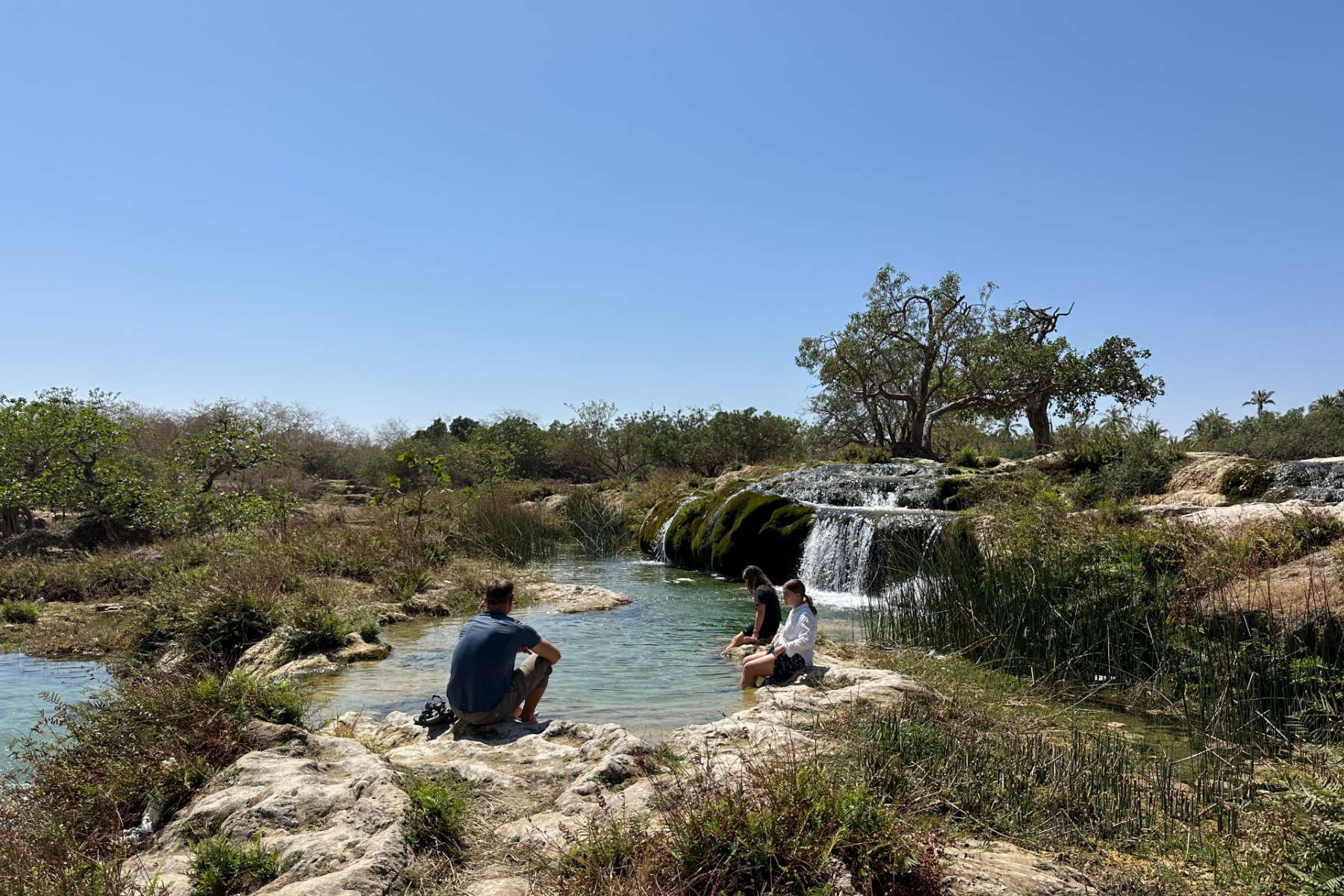
Wadi Darbat is a river that flows all year round with waterfalls that tumble towards the coast. It attracts hundreds of thousands of visitors each year, primarily in the Khareef when the flow of water increases and sends clouds of spray into the air. It's a real crowd pleaser that draws people from across the Arabian Peninsula.
It was a lot quieter during our visit in February but still very beautiful. We had no problem parking right next to the viewing platform by the much photographed Darbat Step Waterfalls. Here's the car park we used. There is a larger one a bit further up the road if this is full.
It’s prohibited to swim at Wadi Darbat but when we visited it was possible to climb up the side of the waterfalls to see them from above. When the water is in full flow this would be slippery.
In peak season there are people here selling fruit, drinks, candyfloss and other treats to visitors. We bought mango and papaya from the single seller making the effort in Salalah’s low season.
Darbat cafe and Salalah view
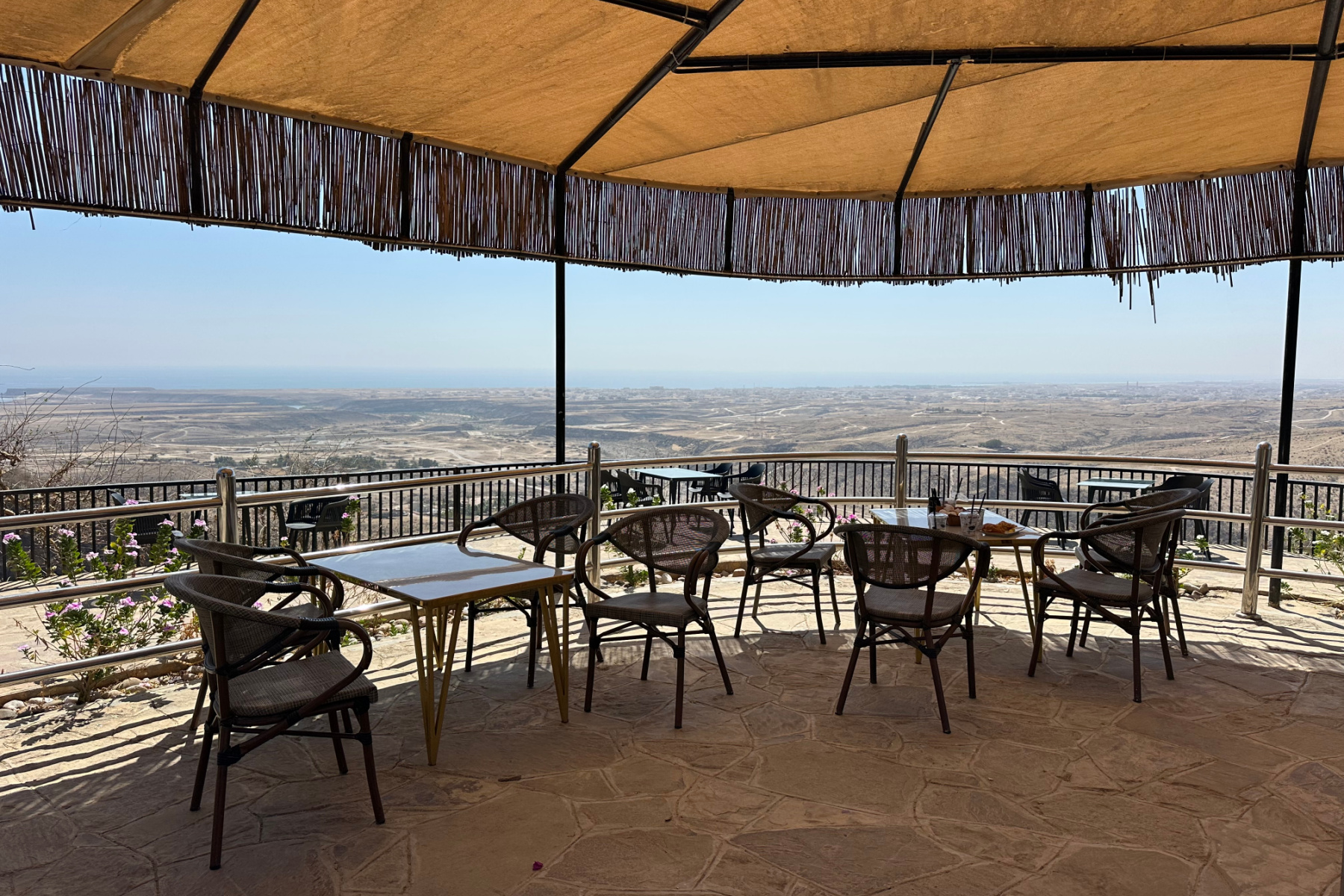

Feeling hungry? We stopped at Darbat Cafe for lunch. From the cafe there are panoramic views of the coast, palm-lined hills and back towards the waterfalls. I can recommend the chicken burger - it's fast-ish food but delicious.
Tip: you'll find public toilets in a potable cabin in the car park close to the cafe. They have seats but bring your own toilet roll and hand sanitiser.
From here, it's a 30 minute drive down into Salalah.
More things to do in East Salalah
We had been on the road for three days at this point, so decided to head to our hotel early. If you've got more stamina than us you could:
- double back on Route 49 to just before Mirbat to see the Gravity Road. It's a famous tourist attraction, but a bit underwhelming. Spoiler: it's an optical illusion and the only reason we spotted it was because of the signposts.
- visit the ruins of the city of Sumhuram - this UNESCO World Heritage Site dates back to the 4th Century BC. There is a small museum here telling the story of this ancient port.
Day 2: Salalah’s cultural highlights
We spent our second day in Salalah relaxing at our hotel. But if you’re on a tight three day itinerary use today to visit some of Salalah’s cultural and religious landmarks.
Salalah's Sultan Qaboos Grand Mosque
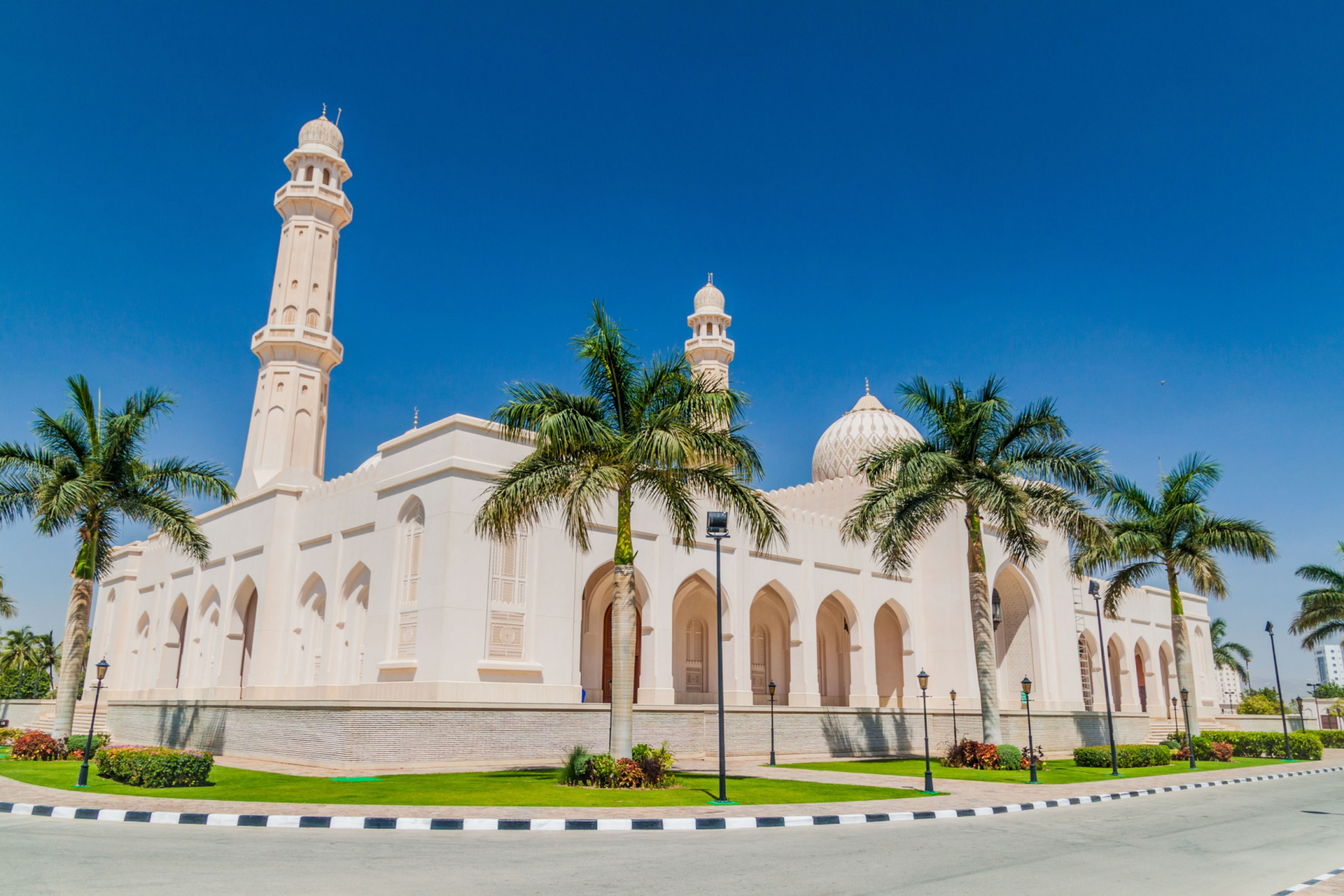

This is one of several mosques dedicated to the Sultan who ruled Oman for fifty years. Salalah’s was finished in 2009 and holds 2,500 worshippers - that’s 12.5% of the number who can pray at the Grand Mosque in the capital Muscat. However, the architecture and furnishings, including a hand woven carpet and crystal chandelier in the main prayer hall, are worthy of attention.
The mosque is open to tourists from 8am to 11am, Saturday to Thursday. Arrive early to appreciate the mosque’s prayer rooms and courtyards ahead of tour groups. Free parking is available just outside.
Tip: make sure you arrive appropriately dressed in loose fitted clothes with arms covered to the wrist and legs covered to the ankle. Women should also fully cover their chest to their neck and wear a scarf to cover their hair.
Salalah Souq
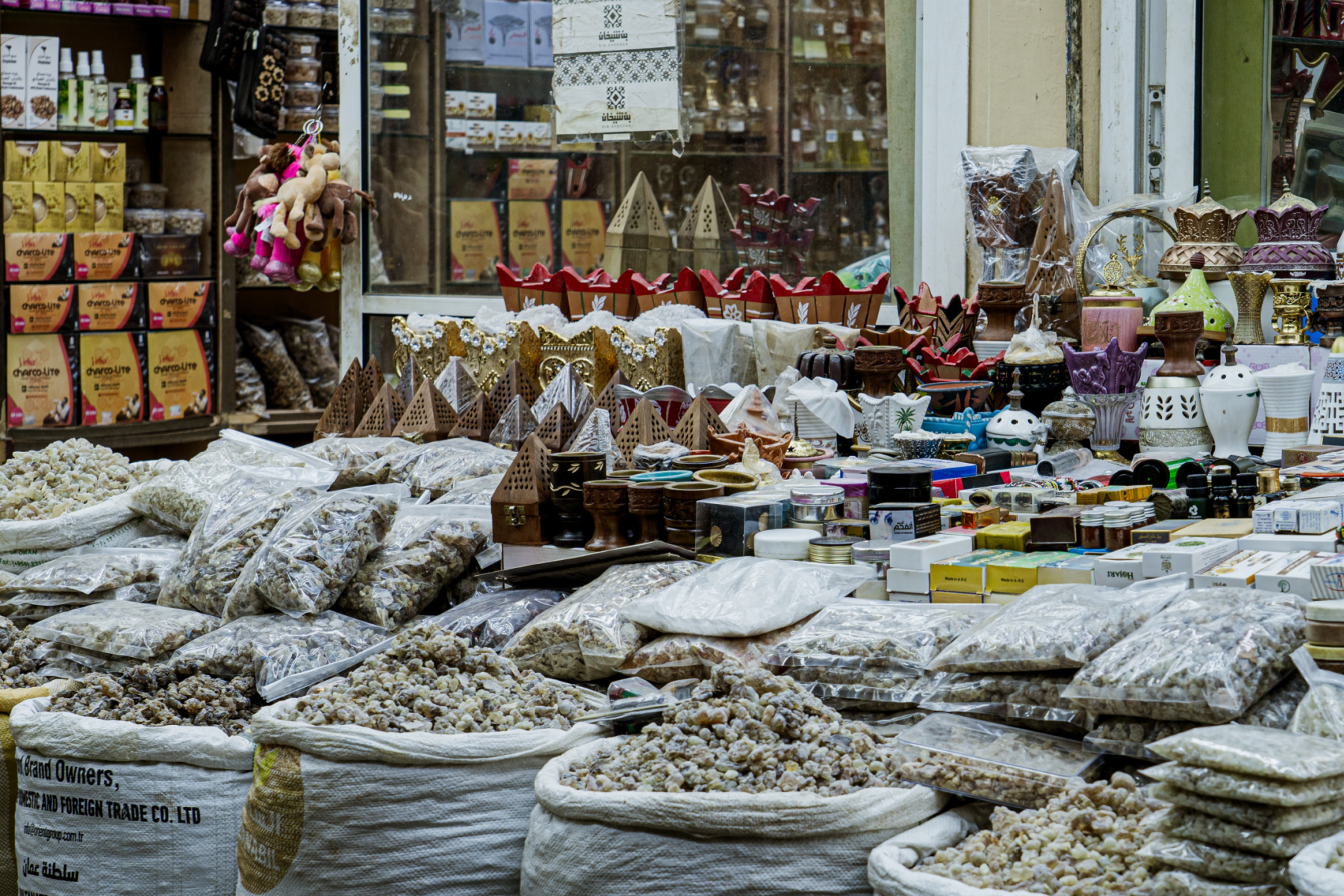

After an hour at the mosque - you won’t need more - it’s time to find some authentic Omani souvenirs.
Take a 10 minute drive towards the beach at Haffa where you’ll find a modern market of small shops selling clothes, the Omani sweet Halwa and Salalah’s most famous produce, frankincense.
This souq is known as both Al Husn Souq, because of its location next to the Sultan’s palace (Al Husn means ‘palace’ in Arabic), and Haffa Souq because of its location along Haffa Beach.
You'll find the shops here open until midday then again from 4pm and until late. There is parking but you must pay at certain times.
Have a traditional Middle Eastern lunch at Mado in the Souq or head east to Lantana cafe on Al Baleed Beach for all day breakfast, coffee or sweet treats with sea views.
Museum of Frankincense
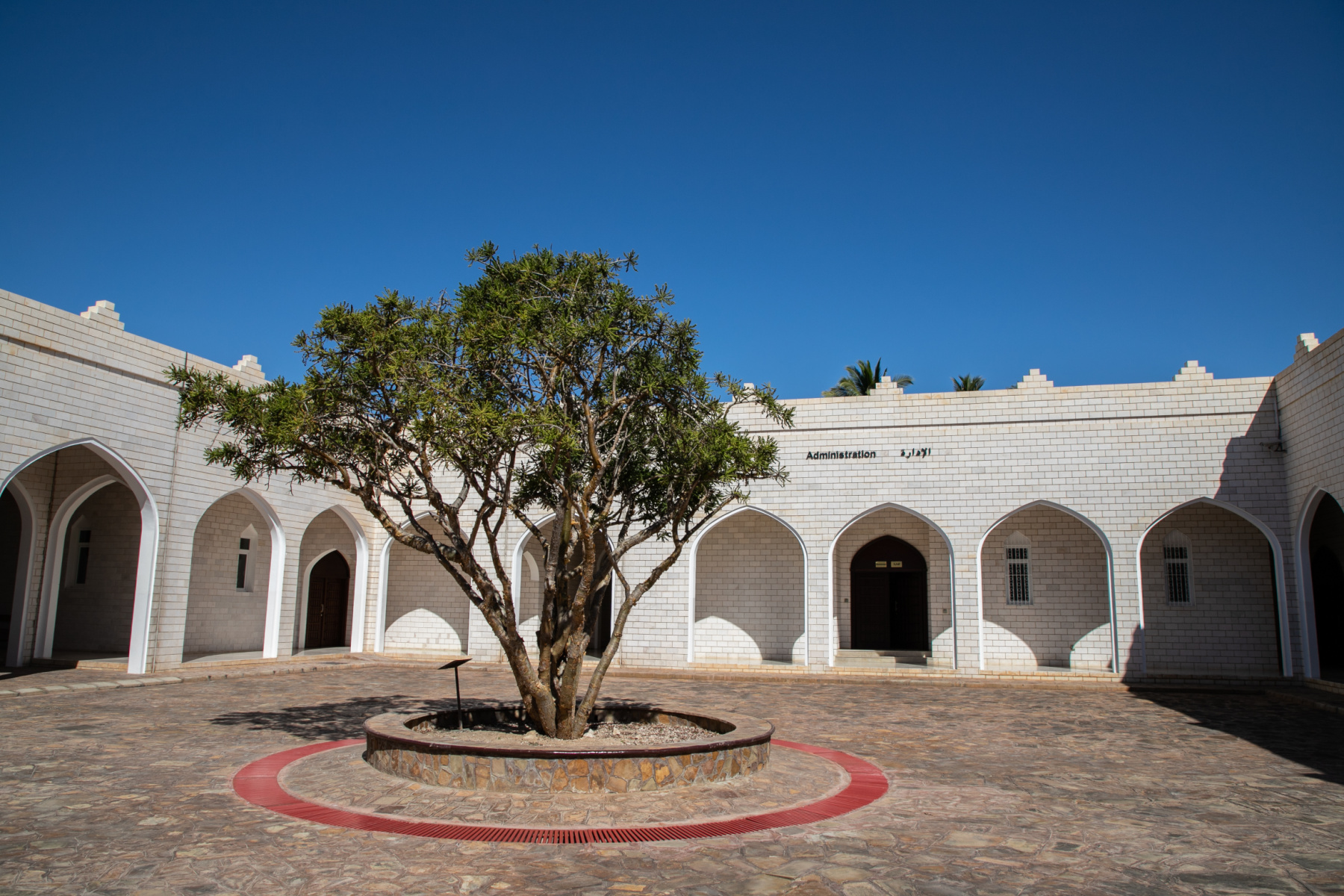

By now the heat of the afternoon will be kicking in, so it’s time to find some shade. The Museum of Frankincense tells the story of the precious resin that put Dhofar on the map and how it was traded by land and sea.
The museum has multimedia displays and English translations, but it is not large so won’t take long to look around. If the weather allows, explore the archeological park outside.
Tip: the museum has shorter opening hours on Fridays and Saturdays when it opens from 3pm.
Watch the sunset
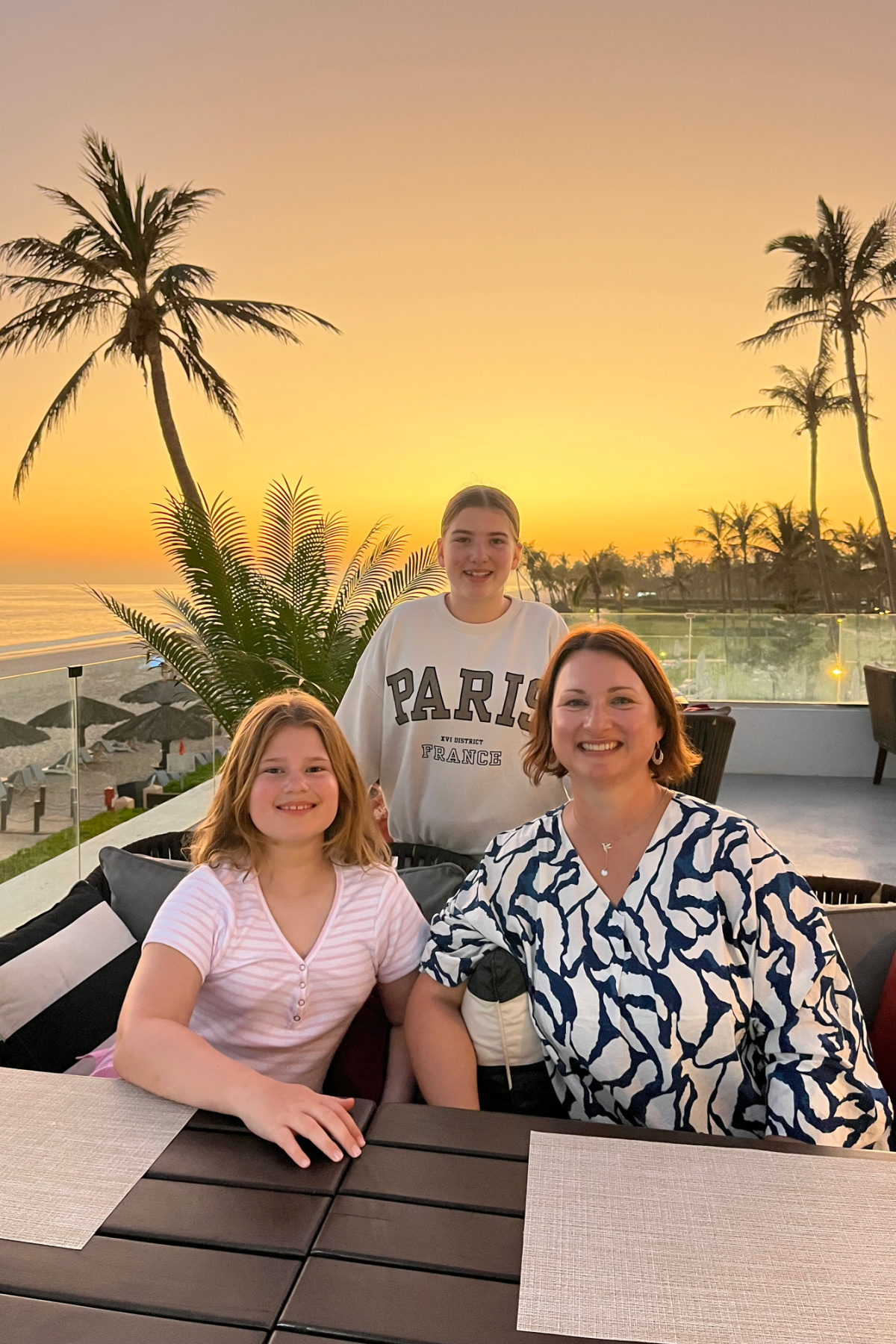

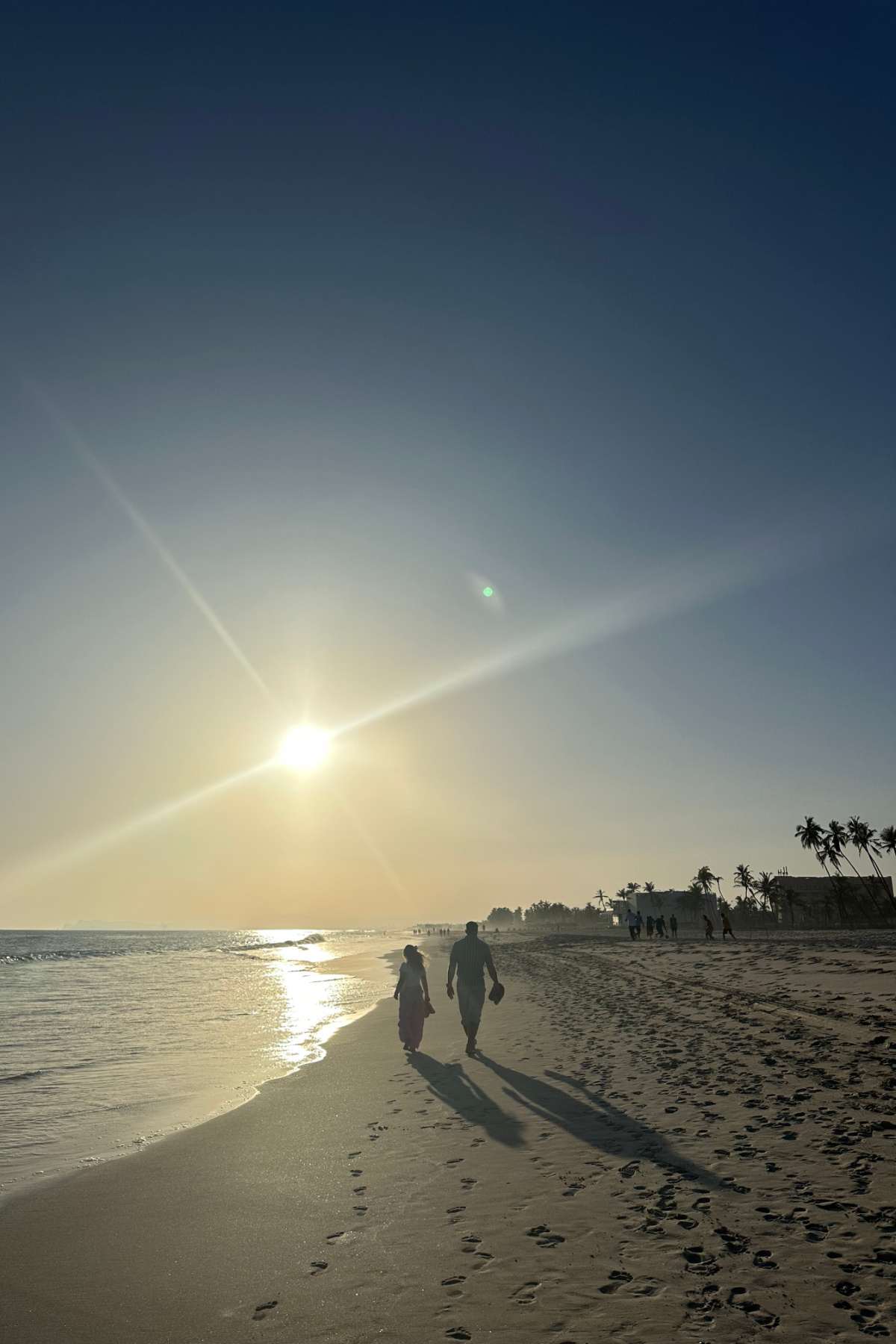

Return to your accommodation for a rest before spending the evening at Haffa or Al Baleed Beach where you can enjoy a walk and dinner as the temperatures cool. We can recommend the Crowne Plaza Salalah’s Dophin Terrazza restaurant.
It was the perfect spot to watch the sun set and plan our adventures to the west of Salalah the following day.
Day 3: Western Salalah
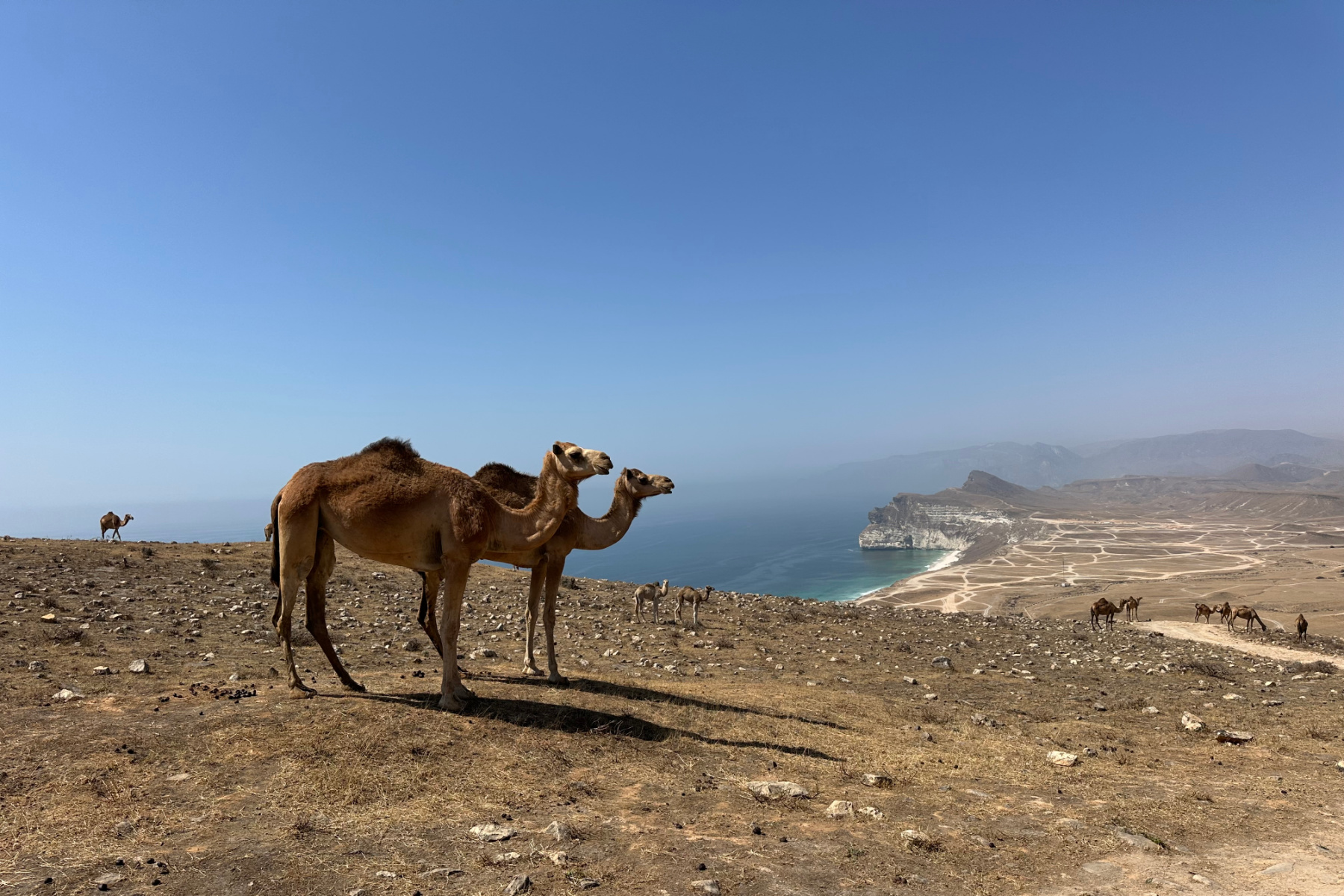

It's time to get back on the road to explore what lies to the West of Salalah. You can book a tour but I would recommend hiring a car.
If you're just interested in beaches then a 2WD is plenty good enough for the day. However, if you want to take up the first recommendation on today's itinerary you should consider a 4x4.
Tip: if you are visiting during the winter I can recommend bringing a packed lunch and all the drinks you need for the day. Not much is open to the West of the city outside the peak summer season. You'll be lucky to find a coffee and chocolate bar at a petrol station.
Bonus tip: download Google Maps for this day of exploring. You will be out of signal range as you drive through the mountains. However, there is only one main road to follow so it would be difficult to get lost.
Salalah's ghost ship
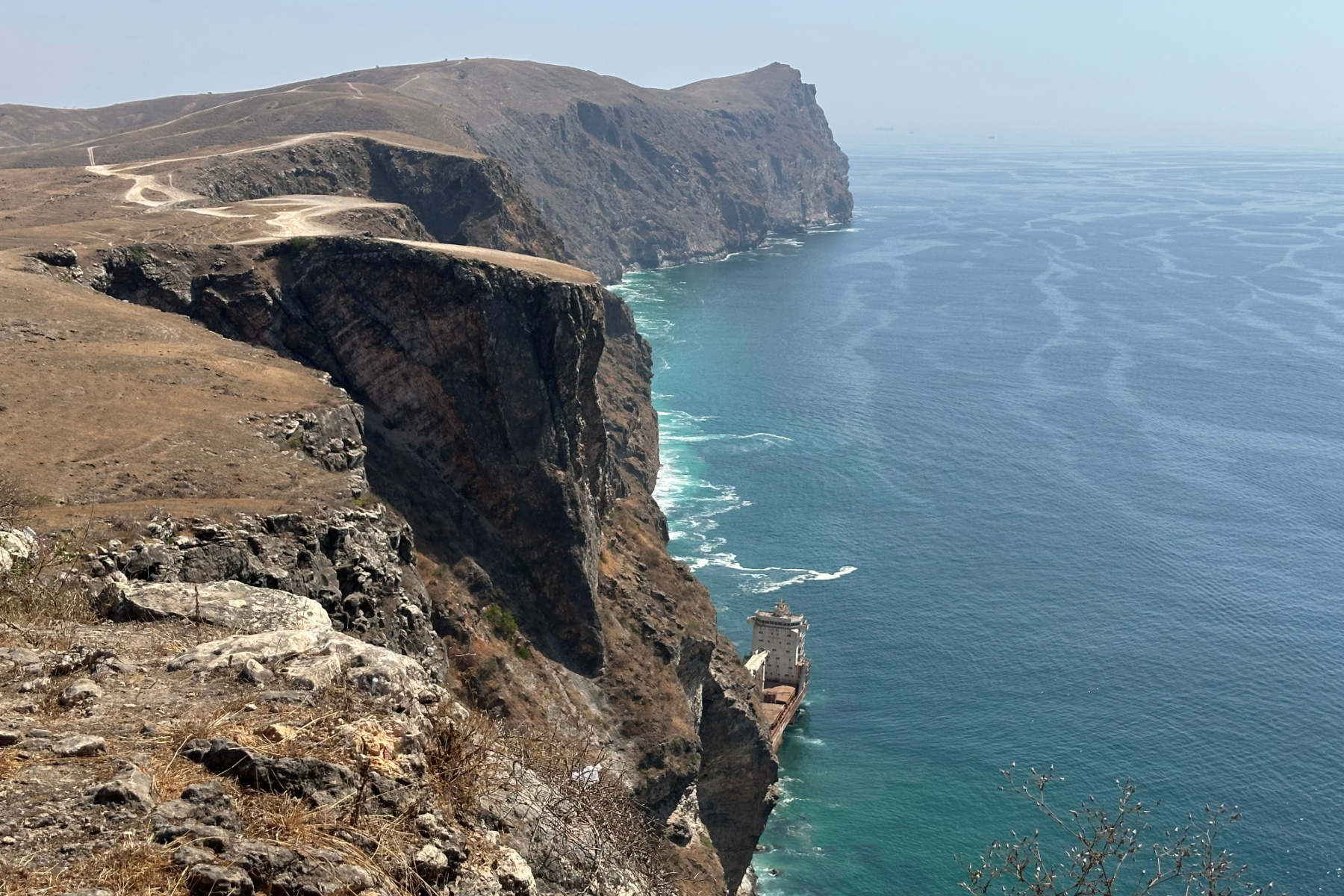

An hour West of Salalah you can take a detour off Route 47 to see the wreck of MV Jernas below cliffs near Iftalqoot Beach.
This 127 metre container ship was abandoned here after running aground in Cyclone Makono in 2018. It adds drama to an already dazzling coastline.
Reaching the view point is quite a drive through a military training area that doubles as a popular spot for camels. 4x4 is a must unless you want a long hike to the view point.
Afterwards we realised if we’d driven a bit further we’d have had an even better view. But we had other sights to see!
Mughsayl Beach and the Marneef cave blowholes

Back on the main road it wasn’t long before we reached Mughsayl Beach where you can see more camels plodding along the sand. But it's not just the camels that make this a popular spot. Nearby Marneef Cave and blowholes are one of Salalah's top attractions.
Follow the path at the far end of the car park and you can't miss them.

My kids loved the blowholes. So much so that we had to return later in the day with their swim suits so they could dash through the clouds of water forced up from the cave below.

During the summer season is area is alive with extra activities but was very quiet when we visited early in the year. Not even the cafe was open.
Fazayah Beach


Next up we drove another half an hour West through the mountains and down an off road track to Fazayah Beach.
This long, remote stretch of white sand is often featured in Salalah publicity shots with camels taking a dip. There were no camels on the day we visited, so we had to make do with lunch with a tropical view and the inviting turquoise ocean.
The track down to the beach from Route 47 is suitable for a 2WD but go slow as there are some bumpy parts.

Tip: if you intend to spend time on the beach bring some shade and all the food and drink you require. There are no permanent shops or restaurants, although I suspect there are mobile traders during the Khareef.
From here we doubled back to Salalah for a final night at our hotel before the return trip to Muscat.
Where to stay
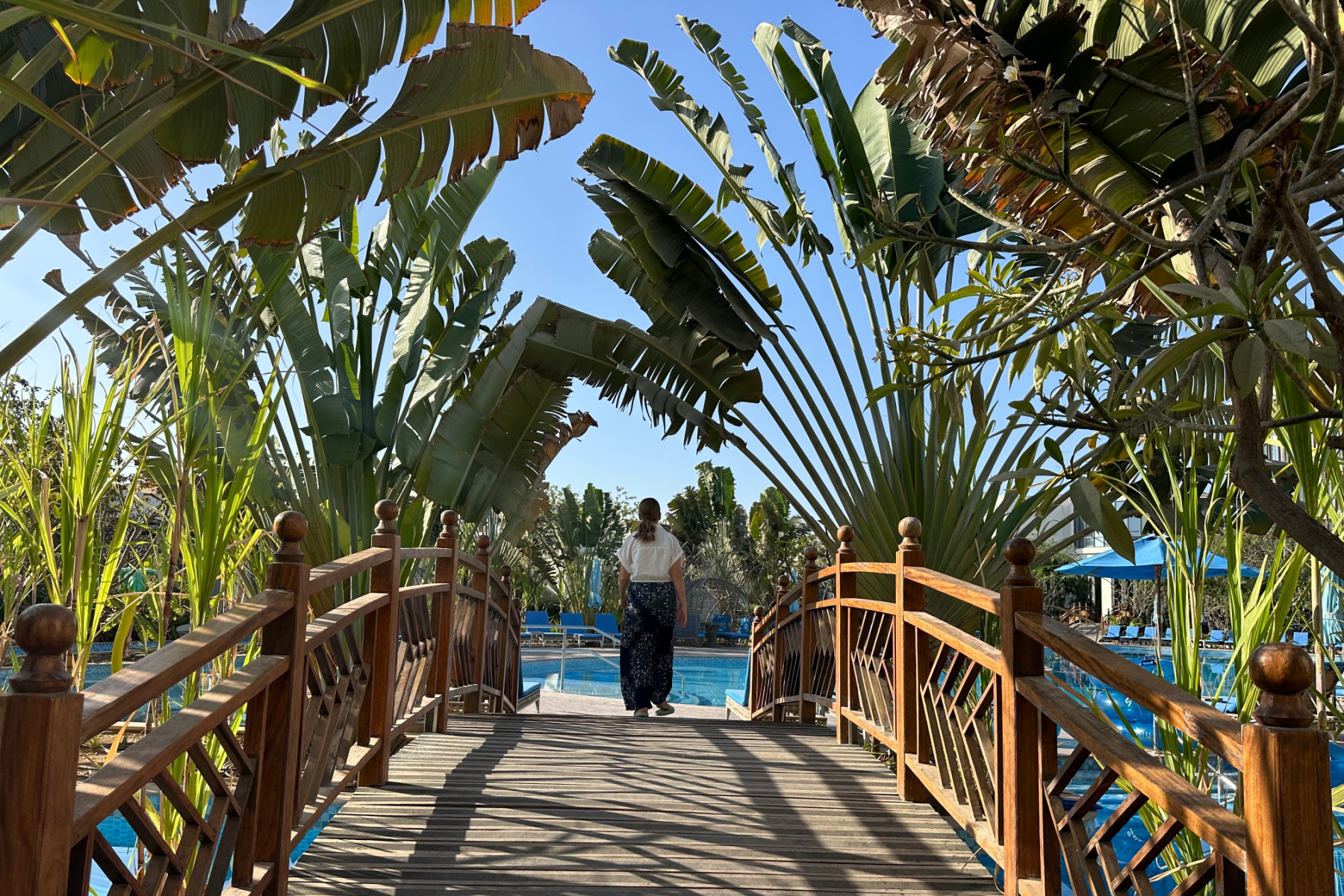
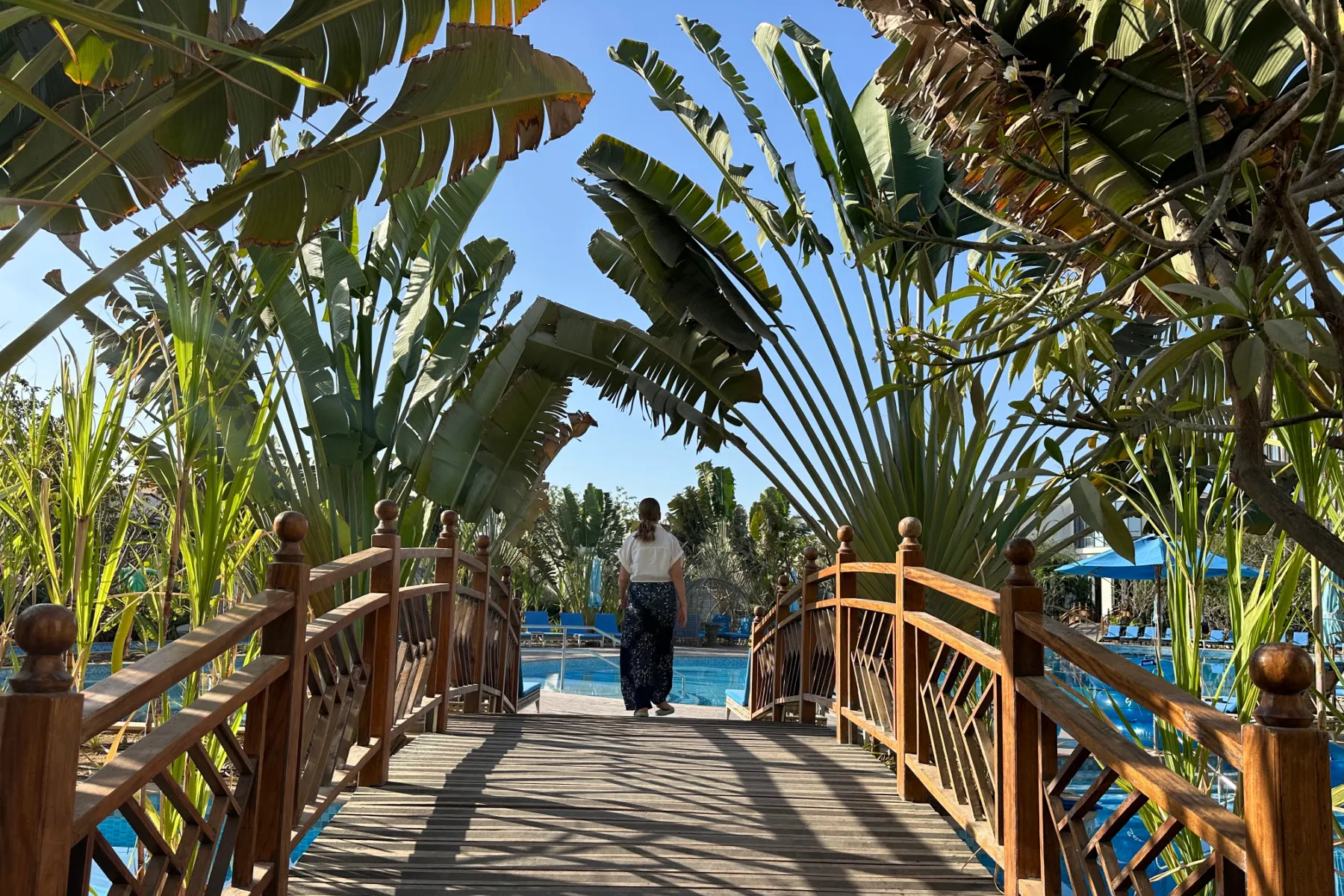
We stayed at the Millennium Resort Salalah. This is a five star hotel, although I would argue it was more of a four star. We still had a great stay and would recommend it for families if you are looking for rooms that can accommodate more than two people comfortably.
Read my full review of the Millennium Resort Salalah.
Here's some other options based on different budgets and accommodation styles:
4 star resorts
We also considered staying at these hotels because they had pools and family rooms with beds for everyone:
5 star beach resorts

Here's a few hotels I would have loved to stay at, but they were more than we had budgeted for on this trip:
Beautiful lodges in Salalah
Here's some other accommodation options that caught my eye while I was planning this trip, but would be better suited to couples than families:
More tips for enjoying your 3 days in Salalah
I've got loads of tips for travellers visiting Oman, but here's a few specific to Salalah:
Getting around

Unless you decide to hire a car or guide, taxis are the easiest way to get around in the city. Public transport is limited and walking is not comfortable in the heat of the day, even in the winter months.
Download the Yango app to book and pay for rides from your smartphone.
For day one and three of this Salalah itinerary I would recommend hiring a car. It's very easy to find attractions outside the city if you have downloaded Google Maps or have data on your phone to navigate.
Find out more about getting around in Oman and driving in Oman.
What to wear in Salalah
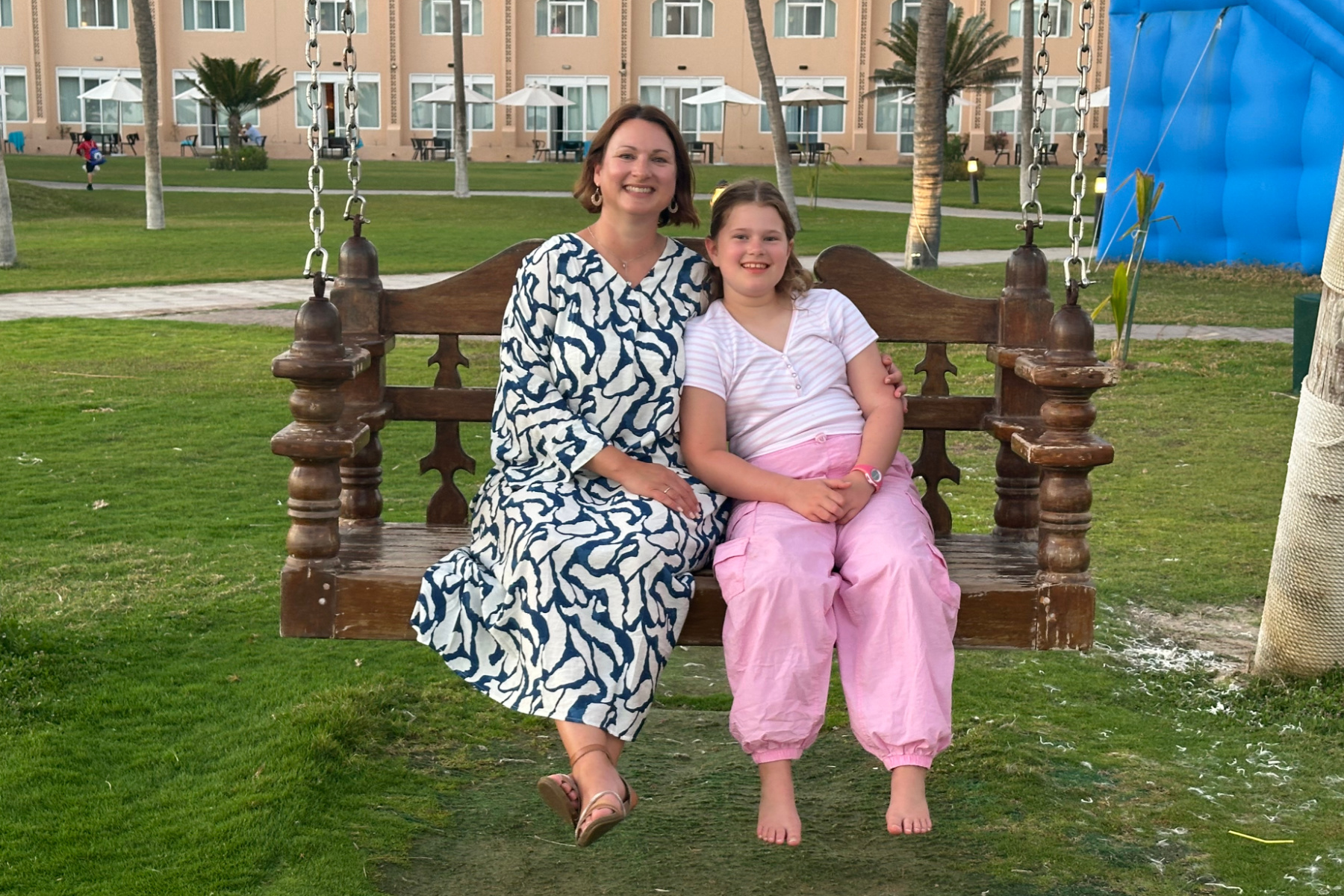

Salalah is a multi-cultural city with residents from all over the world. However, it is more conservative than the northern capital Muscat.
As a visitor or expat, it is more culturally aware to wear loose, non-see through clothing that covers your knees, shoulders and chest when in public places like tourist attractions, shopping malls and when visiting public beaches.
It is not expected for female tourists to cover their hair unless you are visiting the Grand Mosque.
Tip: shopping malls and tourist attractions in Salalah may deny access to people wearing clothes deemed too short or revealing. In other places, you may be approached by the police to ask you to cover up.
Bonus tip: Salalah's public beaches do not have sun loungers for hire. If you wish to sit down on the beach, bring your own picnic blanket and be aware that sunbathing in a swimsuit would not be a culturally aware thing to do.
If you are staying at an international hotel in Salalah you can wear whatever you like, even at the pool and, if they have one, their private beach. Everything from bikinis to birkinis are acceptable. Be aware that the clientele isn't exclusively western, so the more skin you show the more inquisitive looks you may attract.
Most hotels in Salalah will have a dress code for their restaurants, which will usually be to cover knees and shoulders when dining.
Here's some more tips for what to wear in Oman.


Ready to go?
Plan your perfect Oman adventure with our UK-based, ATOL-protected travel partner who will help you craft an unforgettable holiday, tour or day trip
Where next?