Where to find real cultural experiences in Oman

I got asked a great question recently: how do you meet local people and find real cultural experiences in Oman?
In some countries, this can be more difficult than you’d expect as visitors are funnelled towards tourist traps and staged cultural attractions.
You’ll be pleased to know it’s much easier to find real insights into life in Oman and I’m going to share a few with you.
But before the good stuff, I’d like to thank you for visiting Oman Wanderlust and also encourage you to join our Facebook group Oman Unpacked. It’s a community to get even more personal recommendations from visitors and expats who love Oman.
*This post contains affiliate links. If you click and buy something, I may earn some commission. This is at no extra cost to you but helps me cover the costs of running this website. See my privacy policy and disclosure policy for more information (links in footer).*
Omanis are famed for their hospitality and are genuinely keen to find out more about you, as well as share their way of life. You’ll meet them almost immediately as taxi drivers, hotel managers and tour guides are professions ring-fenced for citizens.
If you are travelling independently, there’s even more opportunities to engage with locals by visiting their neighbourhoods, staying in independently-run accommodation and attending cultural events that have been designed for residents more than international visitors.
Here are some experiences and places I would recommend for meeting people and immersing yourself in Omani culture.
Sidab Women in Muscat
This social enterprise to the south east of Muttrah is where you can meet Omani women making traditional crafts and offering cooking lessons.
You can book a visit with them direct through their Instagram profile.
Visit a heritage house
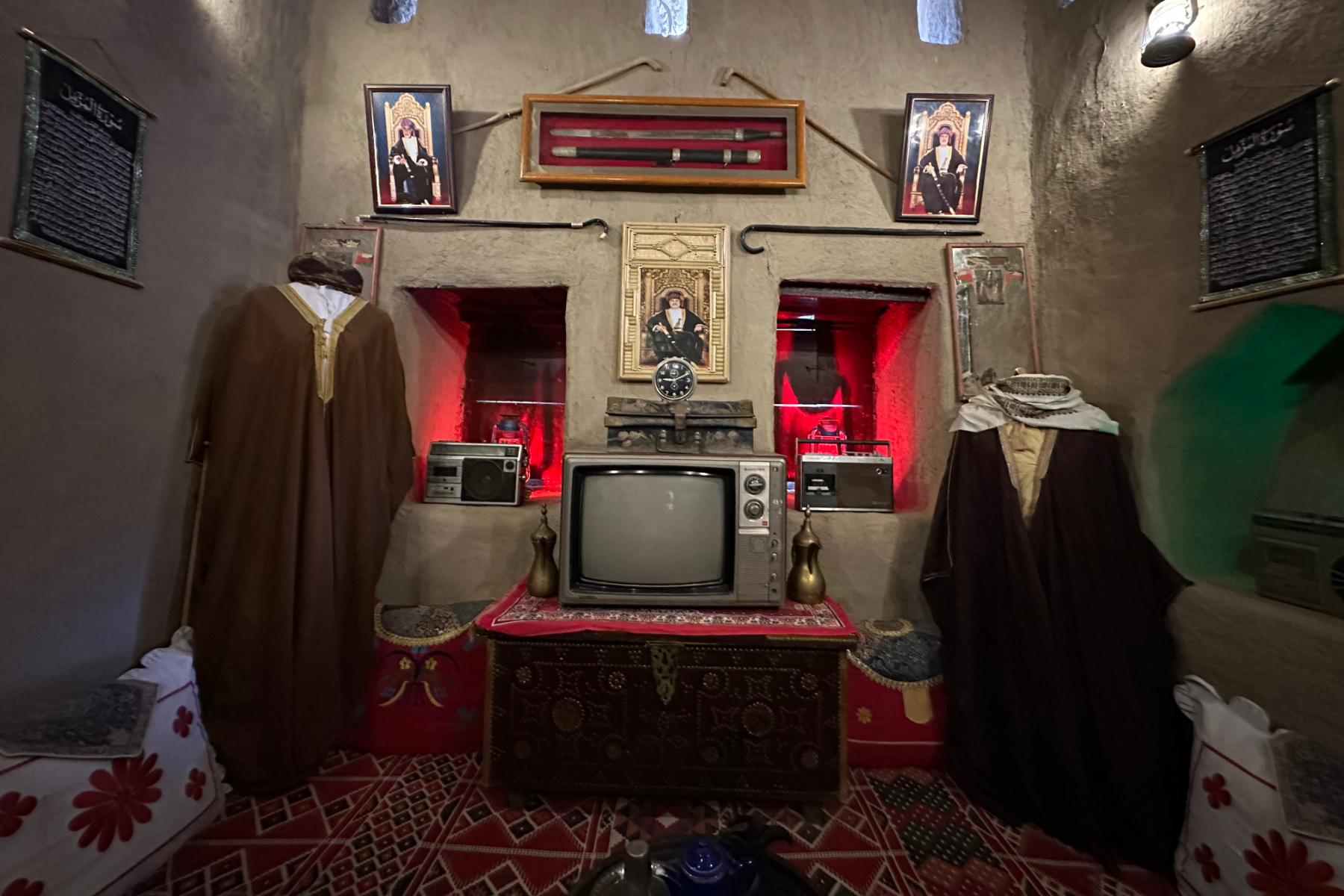
Qasra Museum in Rustaq is a heritage home run by the family who lived there for generations.
They’ll show you around this preserved house, complete with traditional furnishings and some of the modern conveniences that arrived in Oman in the 20th Century. There’s always a welcome with coffee and dates.
Qasra Museum is free to visit between 9.30am and 1pm, and 4.30pm to 6.30pm every day except Sundays. Here’s where to find it on Google Maps.
Stay at an authentic desert camp

One of my favourite places to stay is Al Badri Camp near Bidiyah. It offers a wonderful opportunity to experience Bedouin hospitality.
This small camp is owned by Bader and his family who will host you throughout your stay. You’re greeted in the Majlis (meeting room) outside his home before being taken to the camp where you’ll eat local food and enjoy evening entertainment beside the camp fire.
We have stayed several times and I always get lovely feedback from people who have taken up this recommendation. Here’s my full overview of the camp experience.
Bader also welcomes guests during the day if you don’t have time to stay overnight. Ask to see his herd of camels – they are very well looked after.
Stay in a mountain inn
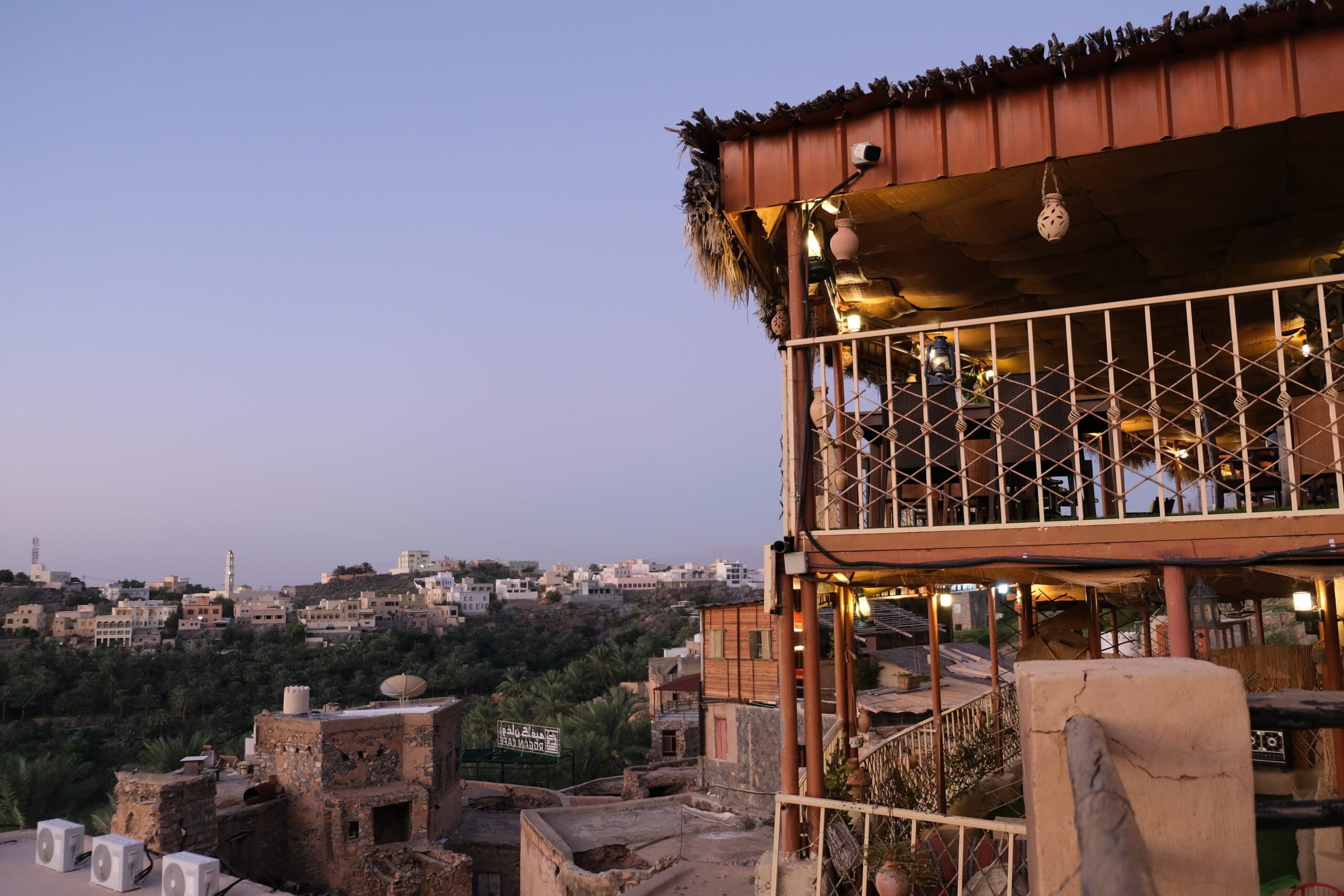
In Misfat Al Abriyeen, about an hour from Nizwa, seek out Abdullah who owns Misfat Hospitality Inn and offers tours for guests each morning. He also has a small museum about the village and the families who have lived here for centuries.
The inn is an extraordinary place to stay. It was once several houses and has retained many original features and furnishings. The rooftop restaurant has views over the village and mountains.
I can also recommend a stay at Misfat Old House further down the village.

Also in my accommodation reviews is The Suwgra – a restored cliff village on Jebel Akhdar.
You don’t have to stay overnight. You can visit during the day to meet members of the family who once lived here and now run it as a unique hotel. They will tell you about life on the mountain before modern infrastructure arrived in the second half of the 20th Century.
We loved the experience so much that we checked in twice. Read my full post about this wonderful experience and important things to know about the journey there.
Visit a souq where the locals shop

Muttrah Souq in Muscat is popular, but you’ll find most shops are managed by expats. In Nizwa they are run by Omanis.
The Halwa shops and Date Souq are great places to meet locals. They will invite you to taste their sweets and have coffee with them. Find out more in my guide to Nizwa Souq.
Other souqs further off the tourist trail can be found in Seeb, Rustaq, Fanja and Bahla.
Traditional dancing in Nizwa

Visit Nizwa early on the weekend and you’ll see the Razha being performed. This artistic re-enactment of a sword battle involves two rows of men dancing forward and back while singing folk songs about war, friendship and national pride.
Once the performative battle is won, the dancers process to Nizwa Fort. Take a seat at one of the roof top cafes for an aerial view.
Nizwa Goat Market

A weekly event that is definitely not put on for tourists is the Friday Goat Market in Nizwa.
As well as goats, people come from far and wide to buy and sell sheep and cattle. You’ll not get much chat in the crowd while the serious business is happening, but it’s fascinating to watch.
The Islamic Centre at Sultan Qaboos Grand Mosque in Muscat

Meet the volunteers at Sultan Qaboos Grand Mosque’s Islamic Centre to find out about this remarkable building, Islam and life in Oman.
You’ll find them on the left side of the mosque complex once you have walked through the security check. They will happily speak to you for as long as you wish within the mosque’s opening hours.
Find out more about visiting the mosque in Muscat.
Muscat Nights festival
Every January Oman’s capital hosts a month-long festival with entertainment and cultural events at venues across the city.
Fixtures to look out for include the heritage villages at Qurum Natural Park and Al Amerat Park. These are very popular events with handy crafts, theatrical performances and Omani food alongside modern entertainment for families.
Arrive at Qurum early in the evening to avoid the worst of the traffic and queues at the park entrance. Al Amerat’s event typically takes place on fewer evenings and is less busy. Keep an eye on local social media for timings.
Rummana pomegranate festival
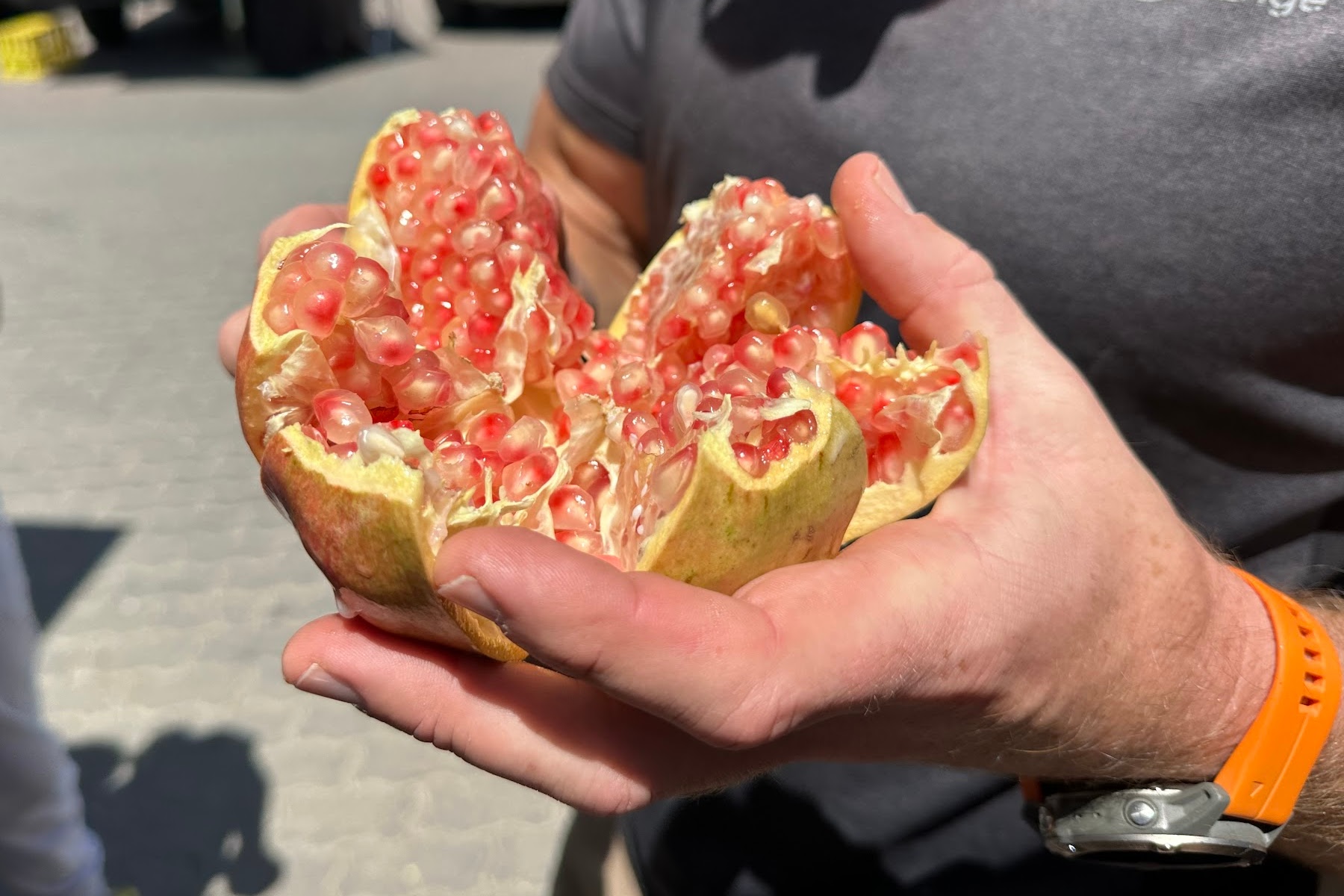
If you are visiting Jebel Akhdar between the beginning of July and end of September you are right on time for the pomegranate season.
Rummana is a festival that takes place at Janaen Farm where there are pomegranate orchards.
As well as picking your own fruits and making fresh juice, you can find art installations, a fun fair, petting zoo and buy pomegranate inspired gifts.
Visit at night to experience the festival at its liveliest.
Khareef in Salalah

If you want to holiday like an Omani, Khareef is the season to choose. This is when the monsoon comes to south west Oman, specifically Salalah, attracting more than a million visitors craving rain and lush, green landscapes.
Khareef takes place between June and September and is accompanied by a programme of cultural events in and around the city of Salalah.
Be warned: it’s busy. Salalah’s population more than doubles and accommodation prices skyrocket.
Pottery-making in Bahla

The ancient city of Bahla is famed for its pottery-making. Local craftsmen run pottery workshops where you can make your own handmade souvenir. Friends of ours have been to do this several times.
While you’re there explore the fort – it was Oman’s first UNESCO recognised site.
Go for an evening walk
My final suggestion for immersing yourself in the Omani way of life is to go for a simple evening walk.
Locals gather outside in the coolest part of the day, bringing their evening meal to enjoy in parks, wadis and at the beach. Don’t be surprised if you receive an invitation to join them and share mishkak (meat skewers) cooked on a barbecue.
Ultimately, the Omanis are incredibly hospitable. You will find genuine interactions very easy to come by.

Wanderlust Chats
Want personalised advice for your Oman adventure? Book a 45 minute one-to-one Zoom call during which you can ask me anything about planning your trip.