The National Museum of Oman in Muscat – all you need to know before visiting

Anyone visiting Muscat with an interest in heritage and culture should set aside a few hours to explore the National Museum of Oman. This modern attraction in the eye line of the Sultan’s official residence, Al Alam Palace, is far from stuffy and, take it from me, quite a relief after shlepping around the non-air conditioned highlights of historic Muttrah.
The museum opened in 2015 and showcases Oman’s growth as a nation, from pre-history to the reign of Sultan Qaboos bin Said.
I’ll be honest and say this is not my favourite museum in Oman – Oman Across the Ages near Nizwa gets my vote. BUT the National Museum is still very impressive. If you’ve got more time in Muscat than the mountain region, definitely include it in your itinerary.
What do you need to know before visiting? Let me help!
But before the good stuff, I’d like to thank you for visiting Oman Wanderlust and also encourage you to join our Facebook group Oman Unpacked. It’s a community to get even more personal recommendations from visitors and expats who love Oman.
*This post contains affiliate links. If you click and buy something, I may earn some commission. This is at no extra cost to you but helps me cover the costs of running this website. See my privacy policy and disclosure policy for more information (links in footer).*
What’s there
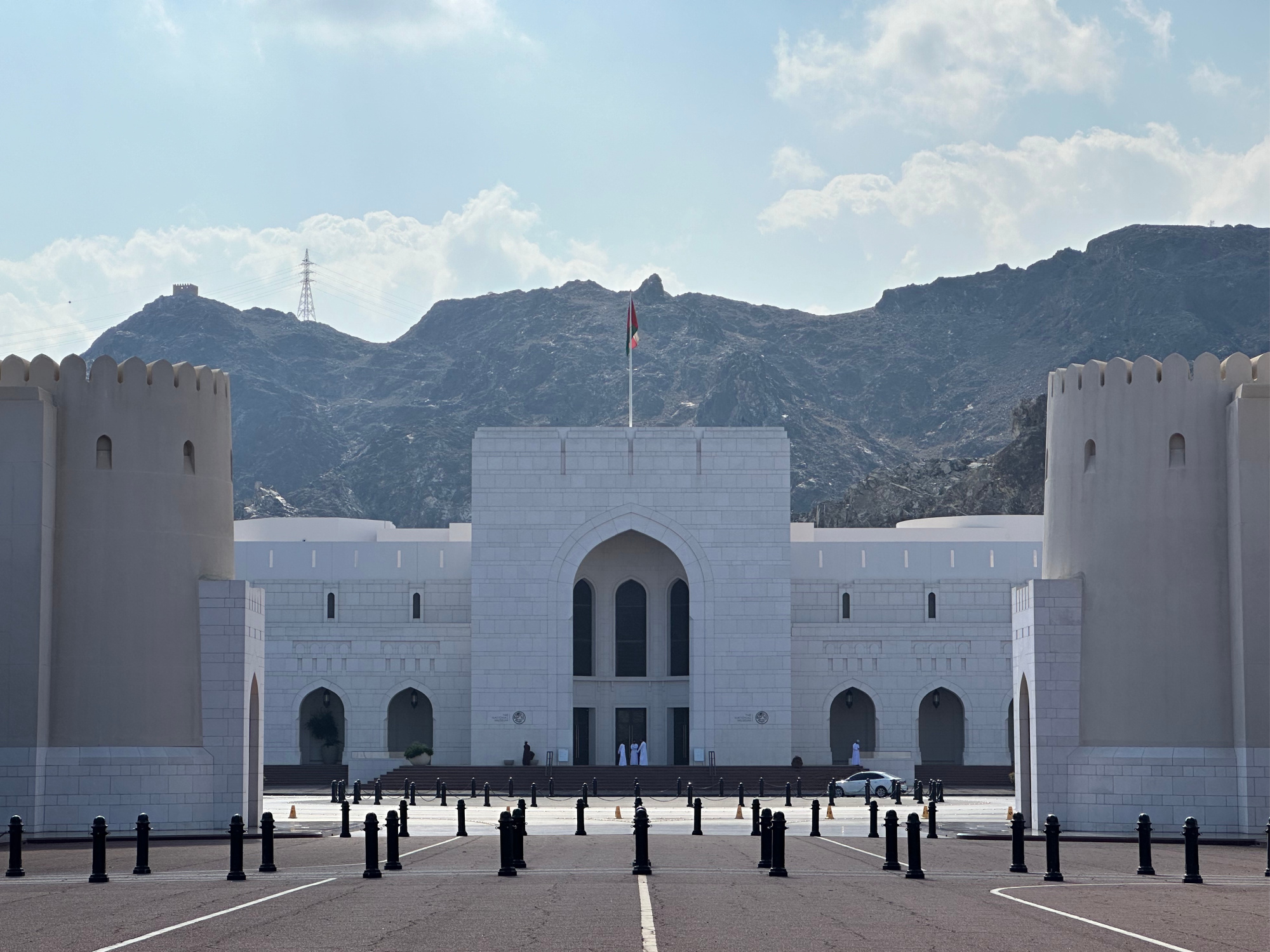
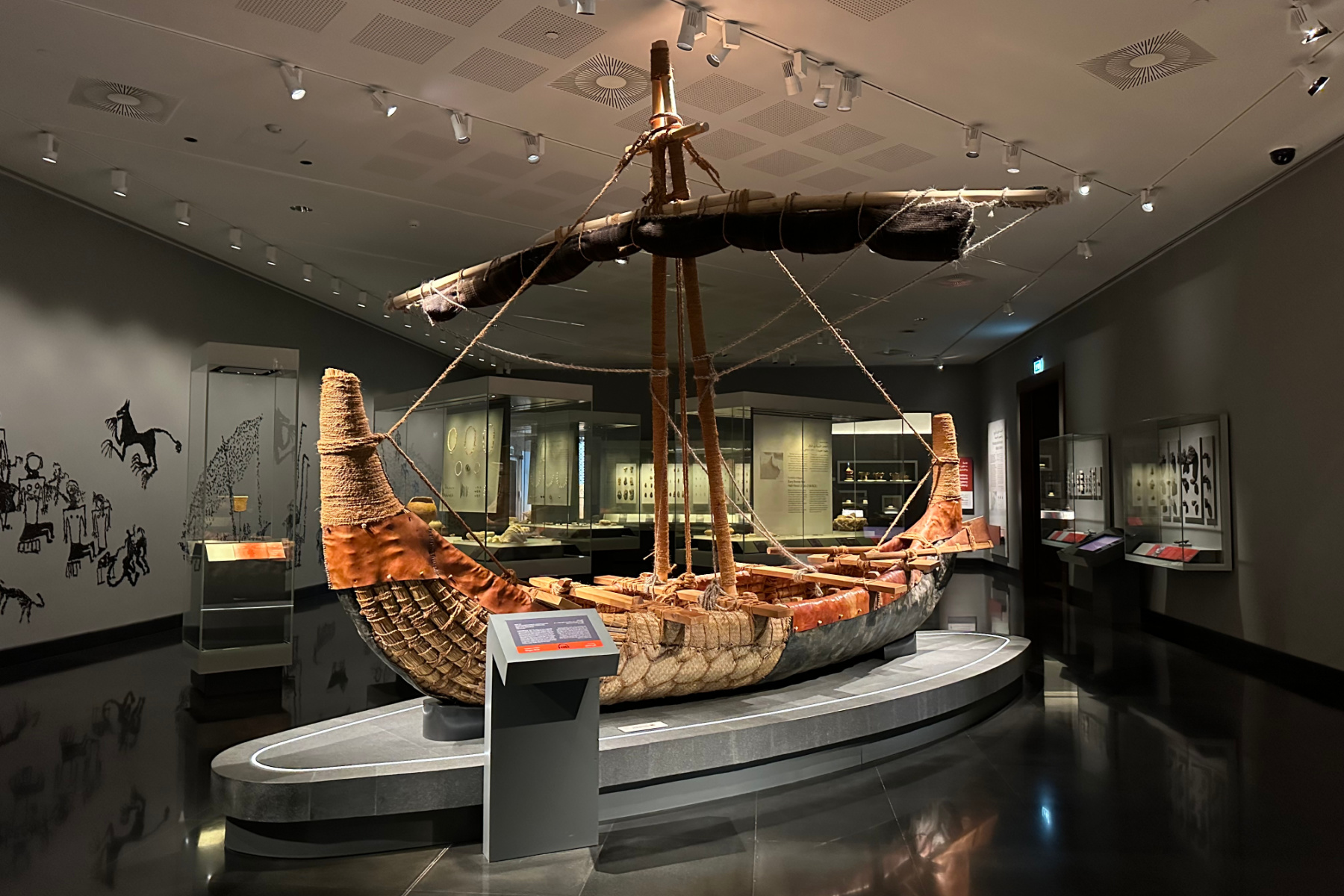
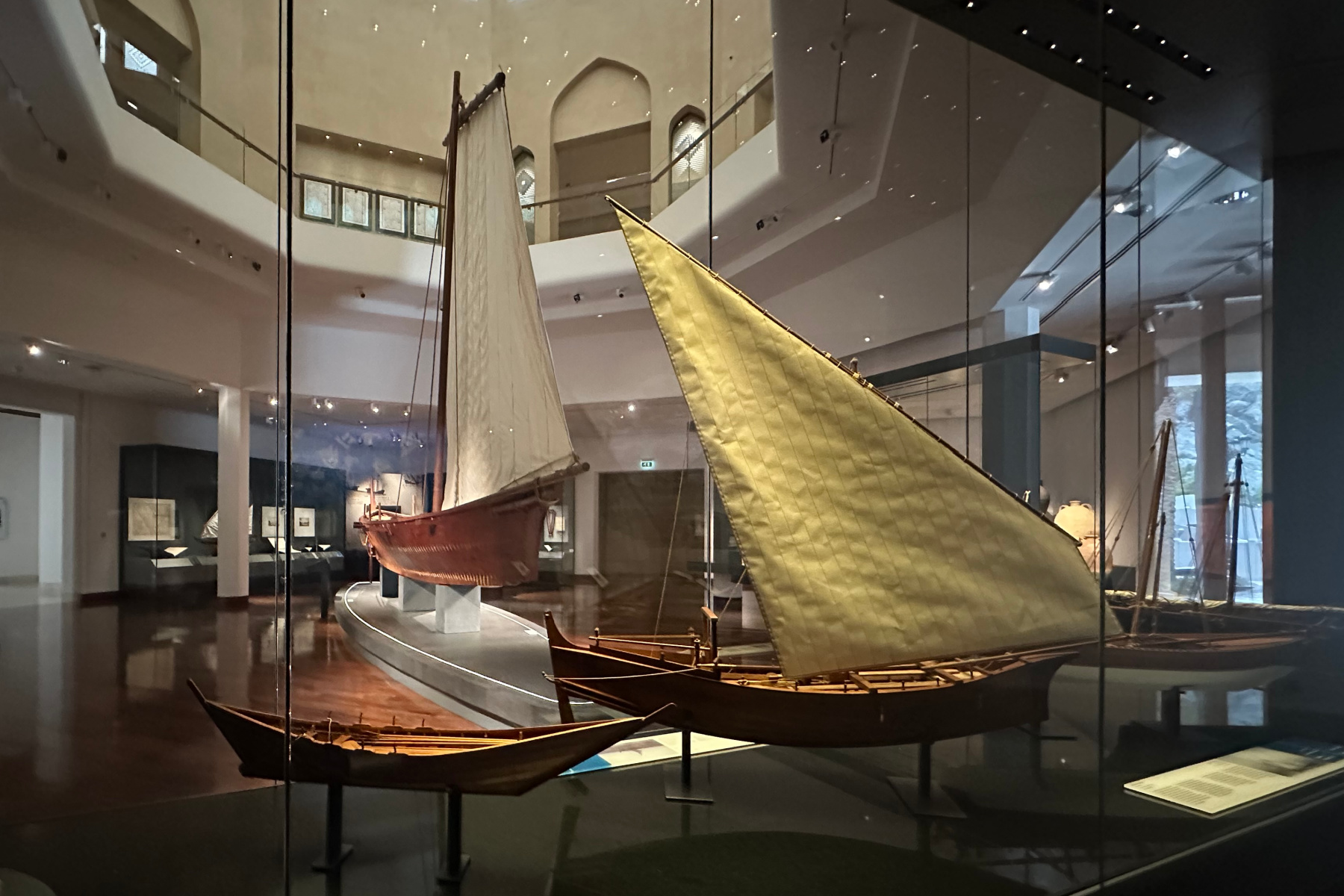
The National Museum is made up of 15 galleries taking you on a journey through the Sultanate’s natural history, its maritime past, Islamic faith and its relationship with the world. There are stunning recreations of sailing boats, models of ancient cities, examples of national dress and intricately carved doors.
I visited the museum on my own and, in true Omani-style, was immediately greeted by the museum staff who talked me through the best route around the galleries.
You start with a cinematic introduction to Oman in a small theatre off the main lobby. If you know nothing about the Sultanate’s past, this is a great catchup. The film lasts about 10 minutes and alternates between Arabic and English screenings.
Your journey then begins through displays of traditional swords and daggers, ships used for fishing and trade, and onwards into the birth of Oman as we know it today.
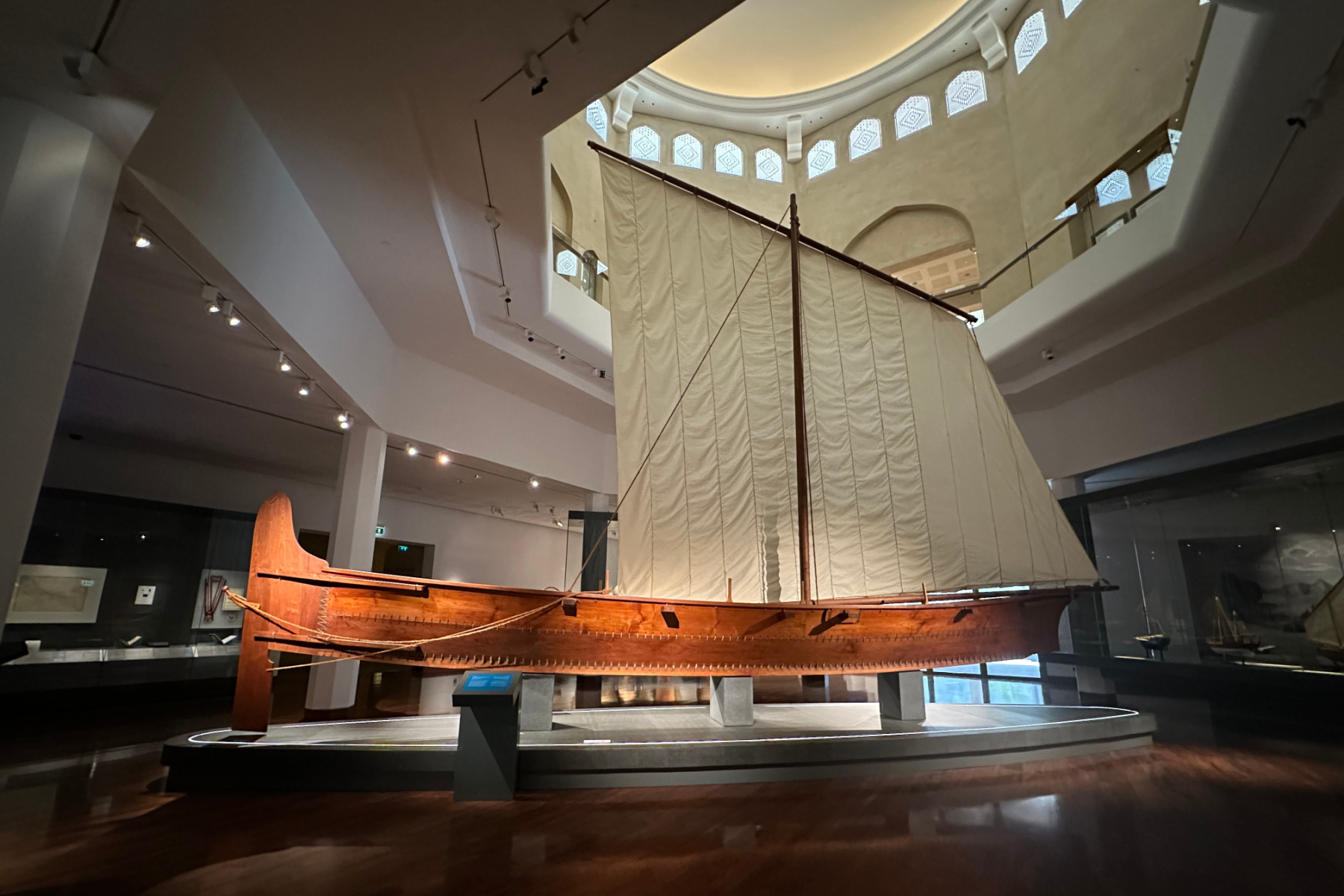
Here’s a few of my favourite exhibits:
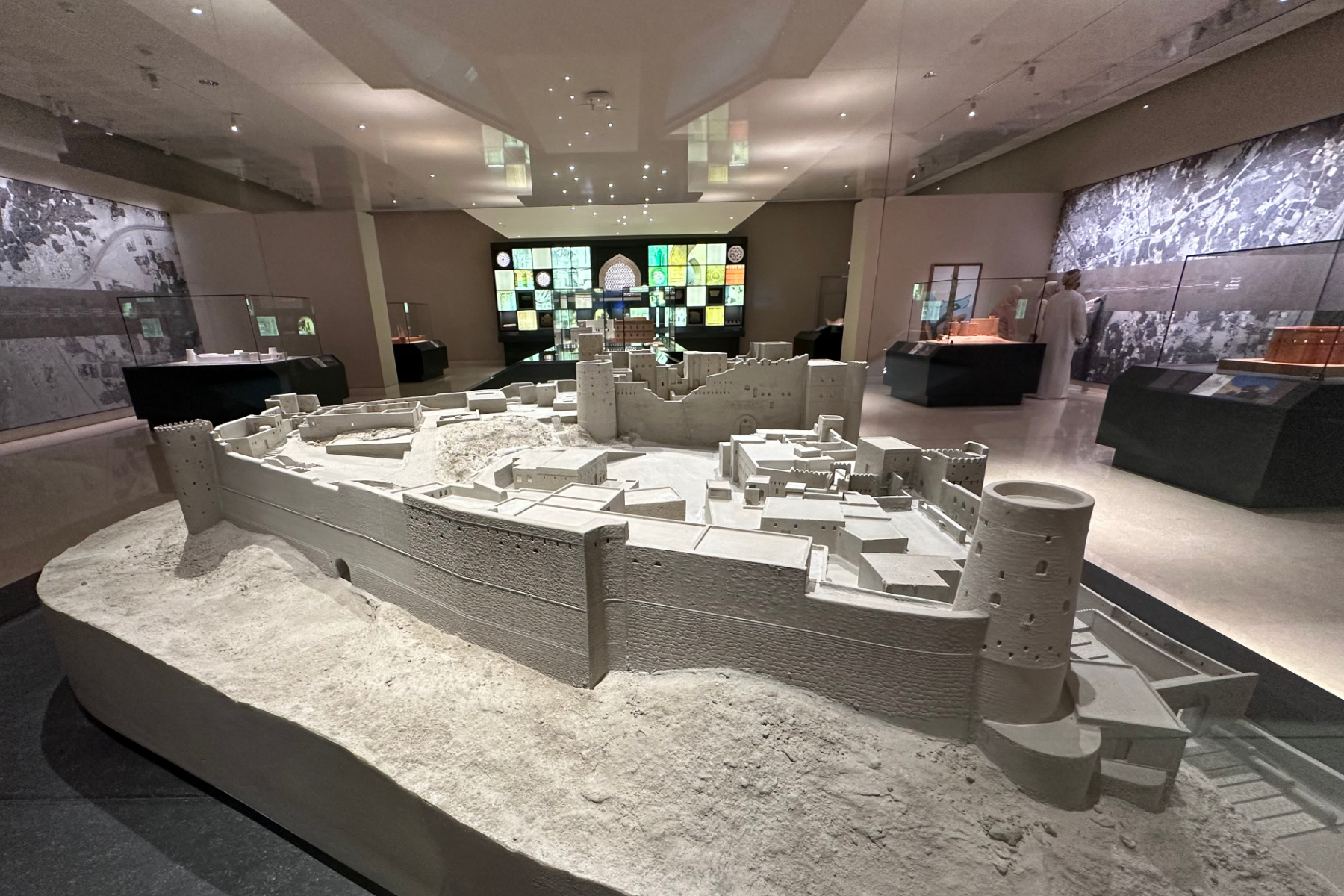
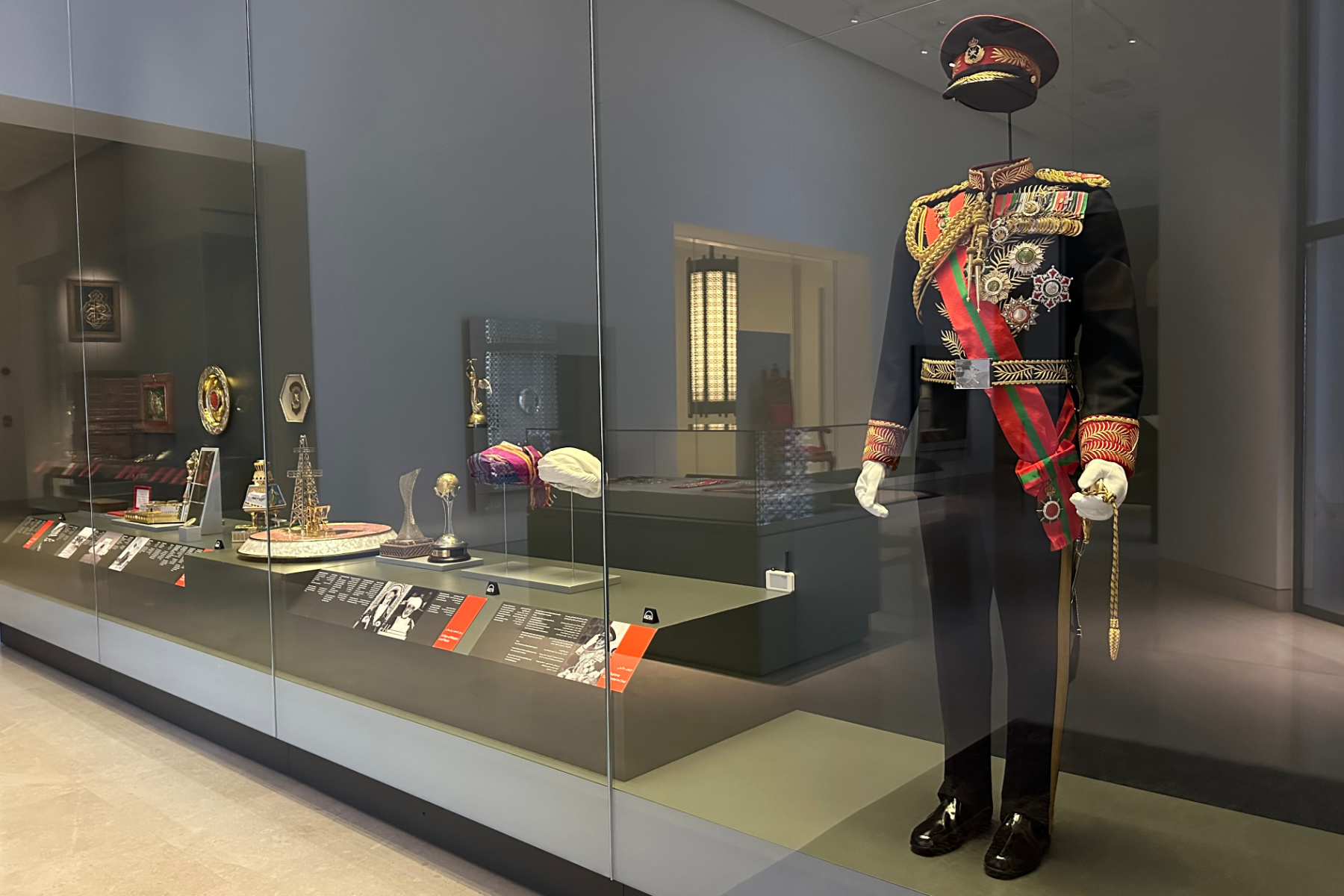
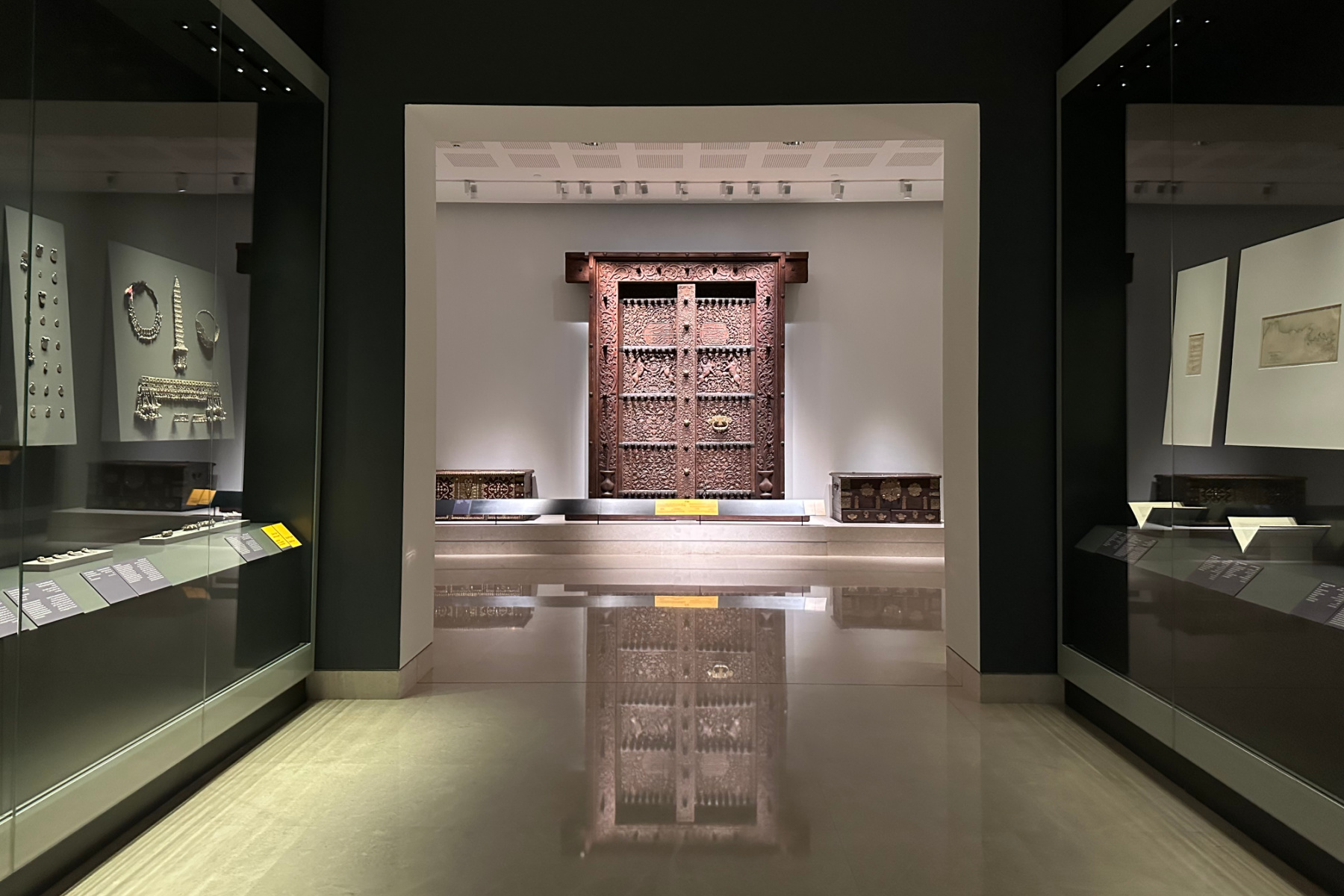
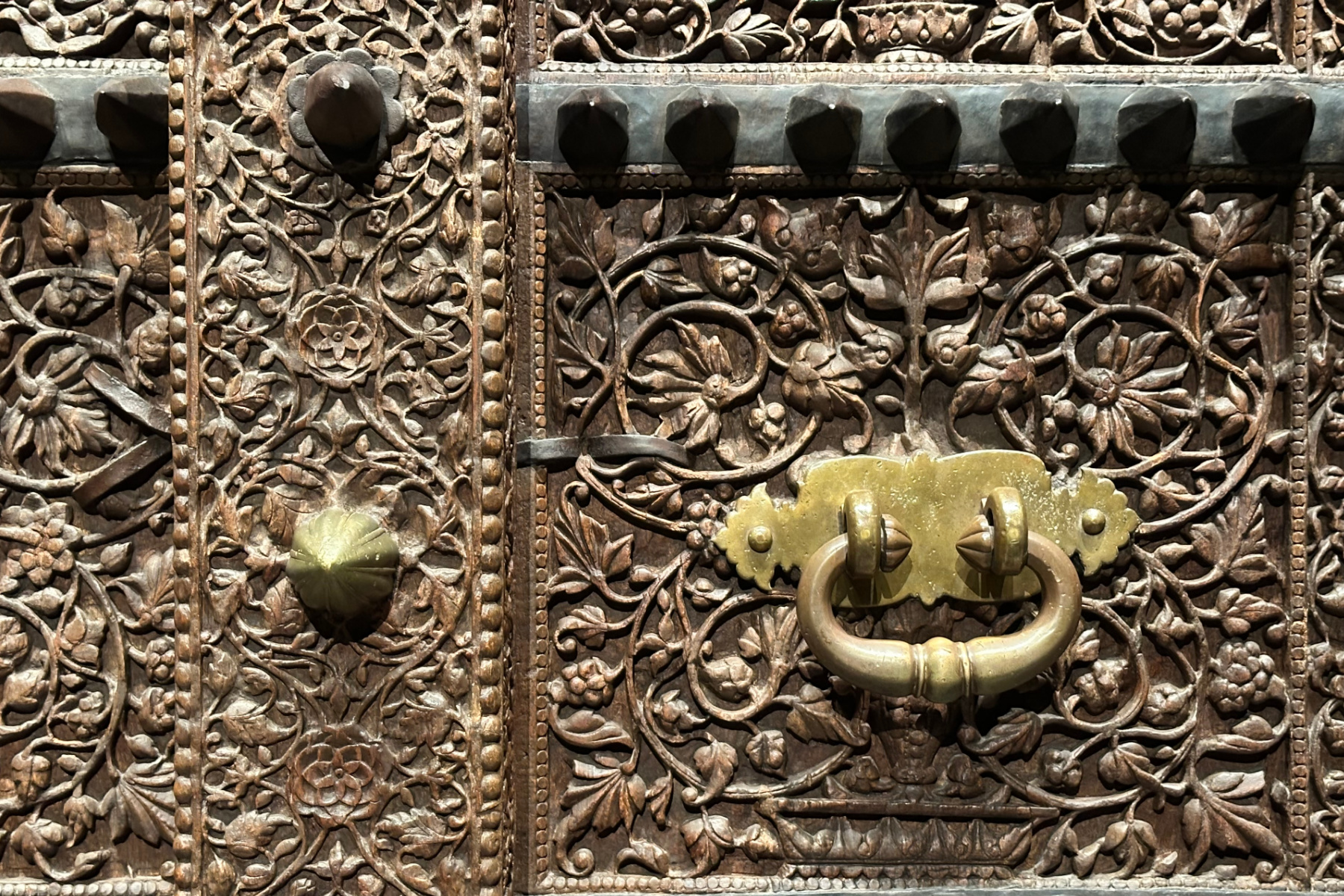
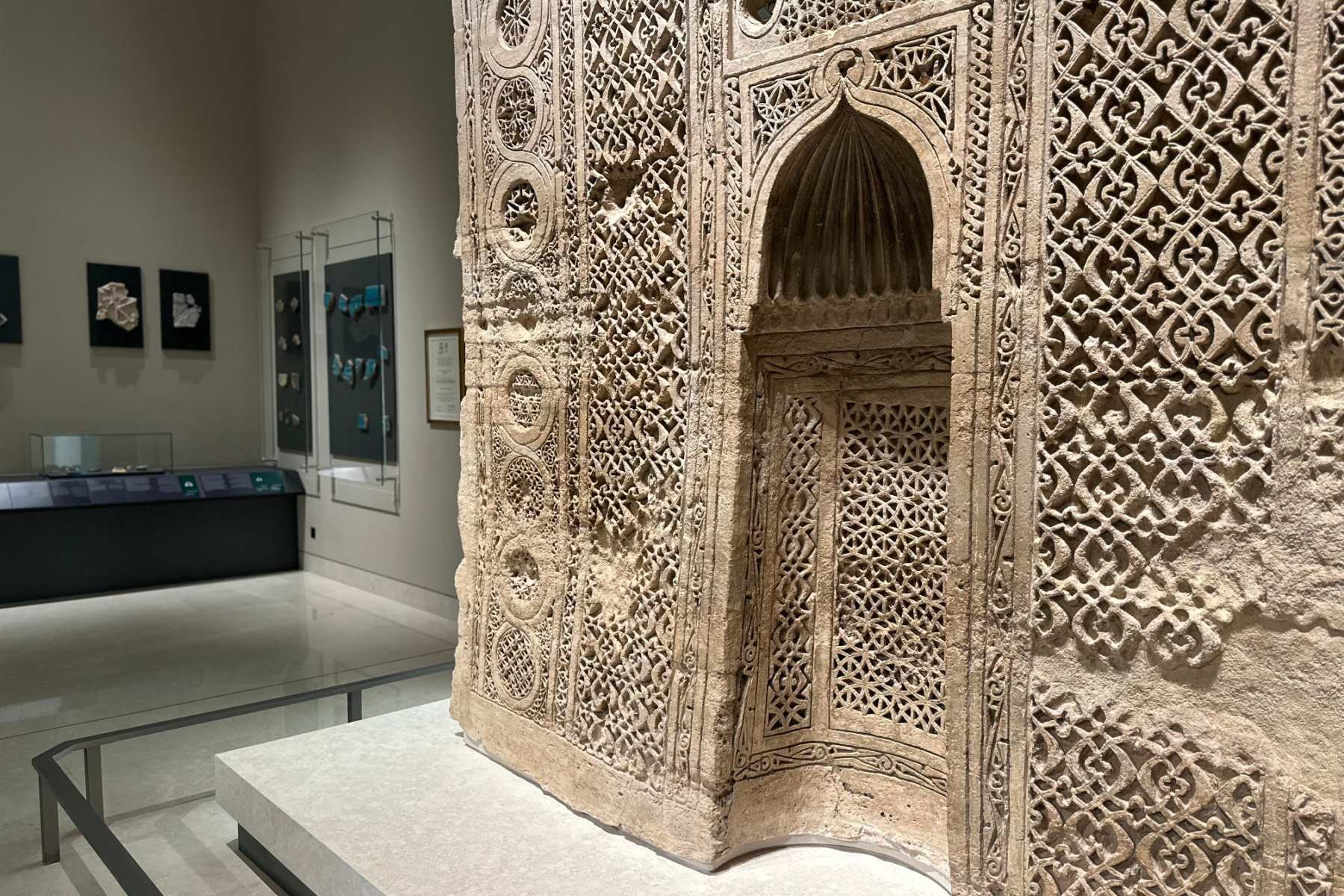
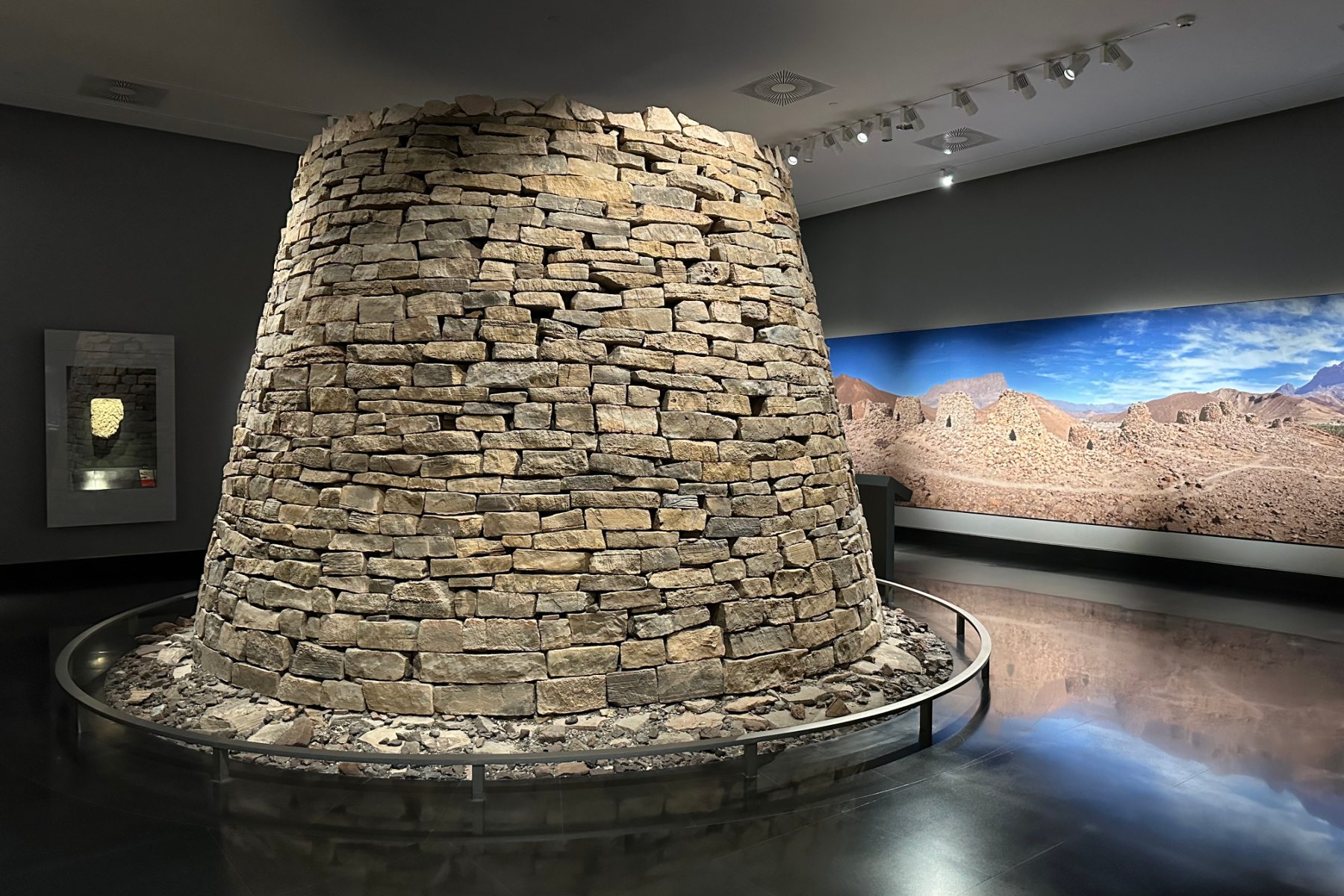
How family-friendly is Oman’s National Museum?
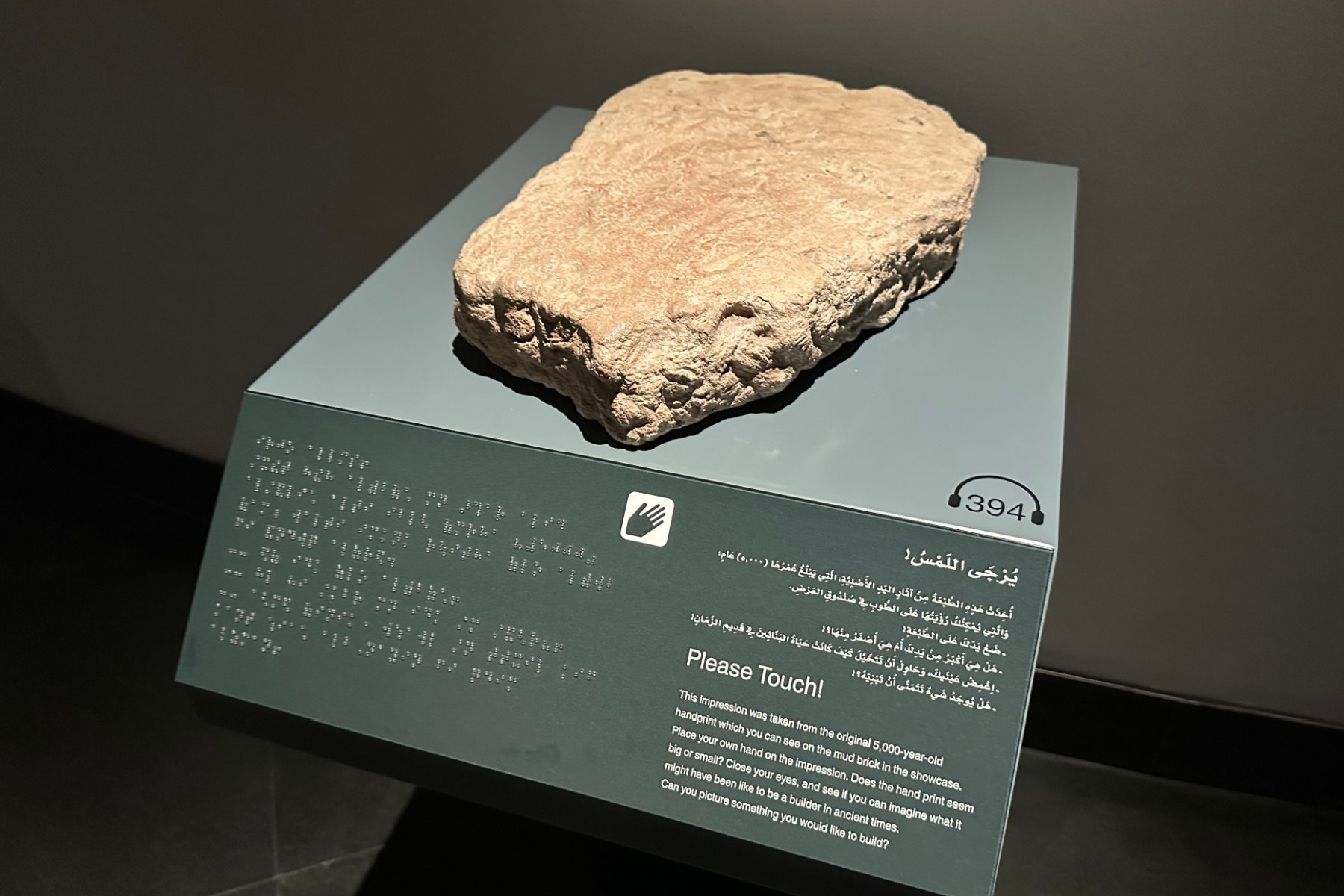
Oman’s National Museum is full of modern displays to capture young imaginations. You can touch a casting of a mud brick, use an interactive screen to find out how historic boats were made and enjoy life-sized exhibits that bring history alive.
However, there are not as many interactive elements as at the newer Oman Across the Ages Museum. If you’re visiting with children you will probably only need an hour, where as visitors interested in details should allow two hours.
How does this museum compare to Oman Across the Ages?
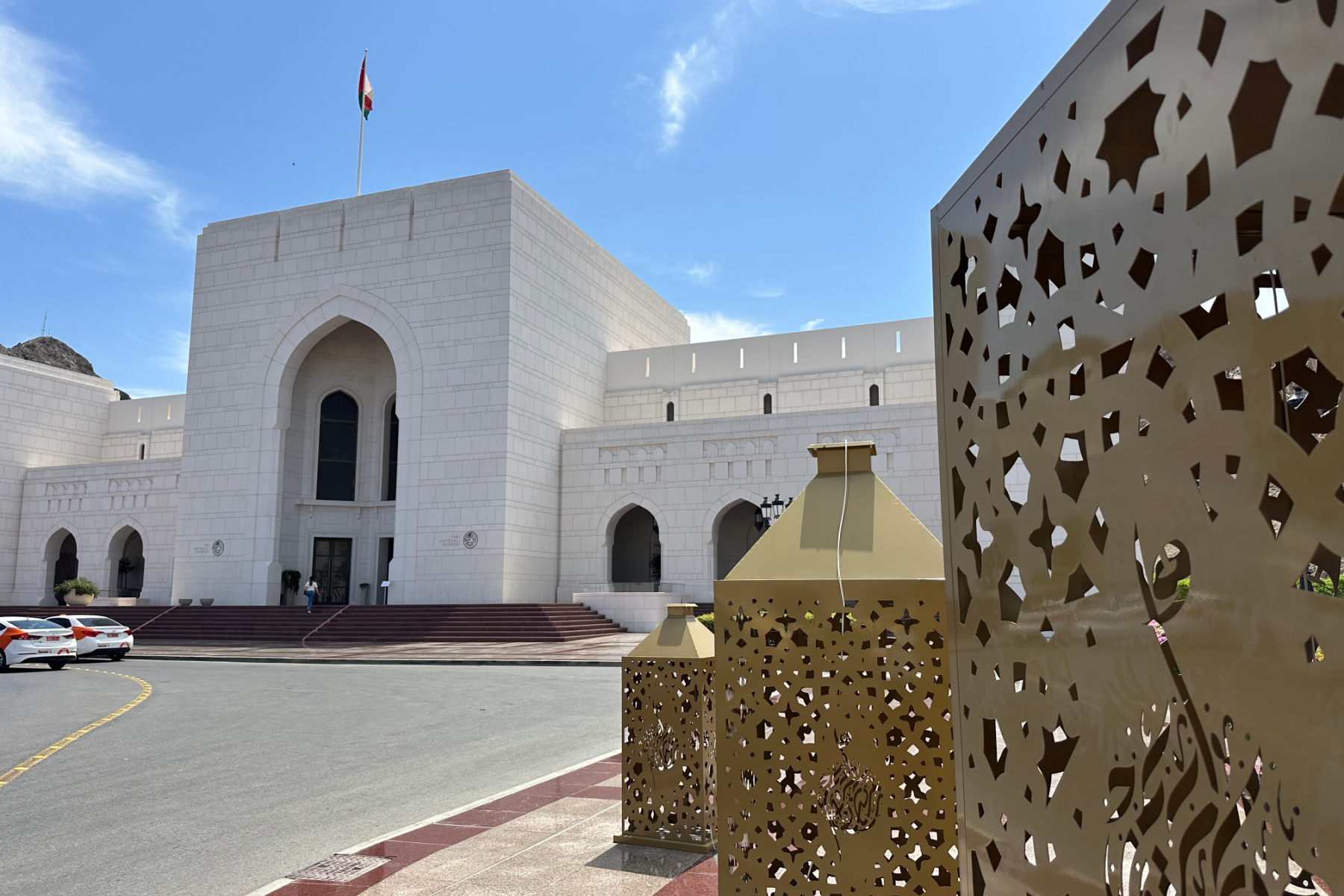

I’ve already given the game away that I’m in favour of Oman Across the Ages Museum (OAAM) near Nizwa over the National Museum in Muscat. But I feel I have good reason.
The National Museum has the disadvantage of being slightly older (although it’s still very modern), and doesn’t come with the same wow factors and cutting edge technology as OAAM.
The latter has the benefit of being located outside the capital, where Oman’s architectural identity is not so carefully protected. This means the design of OAAM is much more striking with an angled exterior inspired by the rugged peaks of the Hajar Mountains.
But it’s not just what’s on the outside that intrigues me most. OAAM is considerably larger, with space inside for massive AV projections, a fleet of royal vehicles, and full cafe and restaurant facilities. It also has the better offer for visiting families with gamified interactive exhibits.
In terms of narrative, these two museums tell a lot of the same stories. But where OAAM goes further is to talk about Oman’s future aspirations. So, if you only have time for one, I would recommend choosing OAAM.
Food at the museum
There’s a small cafe on the ground floor serving drinks and snacks. Think pastries and biscuits, rather than lunch.
If you need a sandwich head back to the cafes of Muttrah (Anna Cafe is my favourite) or for something a bit special, book a table at Mesa Restaurant or Bait Al Luban.
How to get to the National Museum in Muscat
Here’s where to find the National Museum of Oman:
The easiest way to visit the National Museum is by car. There is free parking next to the museum.
If you want to book a taxi, use the Yango app.
Buses are limited in Oman but if you are traveling from Ruwi, the no.4 is the route you want. This service travels from Ruwi Bus Station to Al Alam Palace which is the stop for the museum. Check times on the Moovitapp website.
During the main tourist season the museum is a stop on the Big Bus hop on hop off tour. This is a lot pricier than the public bus so if you don’t want the whole sightseeing tour, take the no.4 service or get a taxi.
Big Bus tickets can be bought in advance or at any of the stops on the route. However, check whether it is running before choosing this option. Big Bus is mainly used by cruise visitors and has a reduced timetable when there are no ships in port.
More places to visit in Muscat

Got a while to explore Muscat? You’re going to want to check out my full guide to things to do Oman’s capital city or my three day itinerary to maximise your time.
My personal favourite things to do are climbing Muttrah Fort for panoramic views of Old Muscat, browsing Muttrah Souq, swimming with turtles at the Daymaniat Islands and visiting the Sultan Qaboos Grand Mosque.
Frequently asked questions about the National Museum of Oman
Entry costs 5 OMR for tourists, 2 OMR for residents and 1 OMR for citizens of Oman and GCC countries (prices correct 2026).
Children, students and older citizens can visit for free.
The museum is open from 10am to 5pm Saturday to Thursday and from 2pm to 6pm on Fridays.
Opening times may be slightly shorter during Ramadan and the museum is likely to close on the first day of Eid al Fitr Adha and Eid al Adha.
There are lifts and slopes between the museum’s two floors, accessible toilets, Arabic Braille and tactile information boards. You can also get an audio guide. All information is in Arabic and English.
You should dress modestly, covering your knees and shoulders. Find out more about what to wear in Oman.