


One week is the minimum amount of time I would recommend for exploring the very best of Oman. Even then, I can guarantee you will be aching for longer to appreciate its diverse landscapes and rich culture. However, if all you can spare is a week, consider this seven day Oman itinerary your introduction to the Sultanate and a launch pad for future visits.
But before the good stuff, I'd like to thank you for visiting Oman Wanderlust and also encourage you to join our Facebook group Oman Unpacked. It's a community to get even more personal recommendations from visitors and expats who love Oman.
What can you see during one week in Oman?
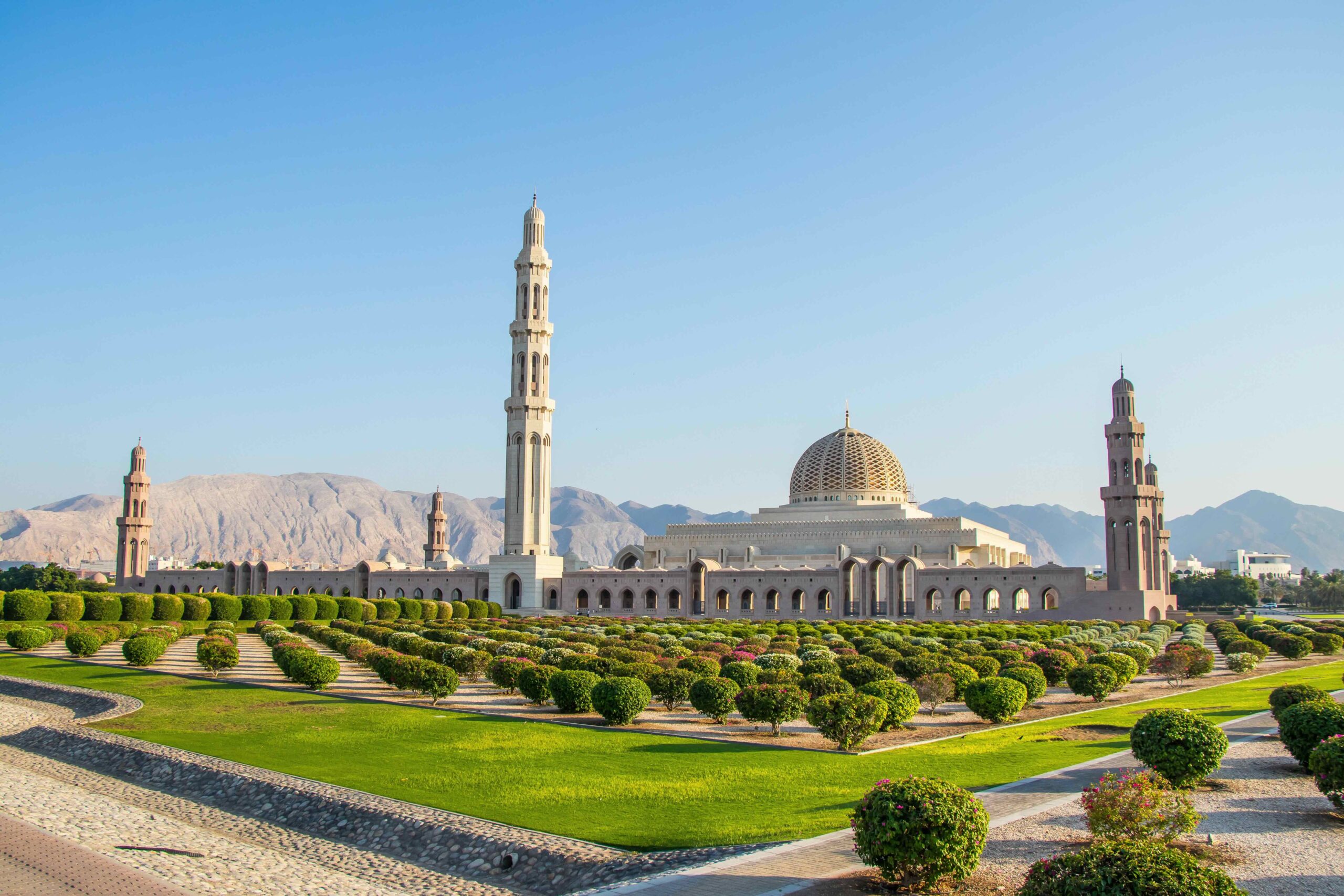

Even with seven days you can pack in a lot of natural, historic and cultural highlights. My suggested 7 day itinerary includes:
- Muscat's must-see sights
- historic forts and souqs
- a stay in a mountain village
- a wadi adventure
- sleeping under the stars in Wahiba Sands
- and snorkelling with turtles.
*This post contains affiliate links. If you click and buy something, I may earn some commission. This is at no extra cost to you but helps me cover the costs of running this website. See my privacy policy and disclosure policy for more information (links in footer).*
Need to know
This is a DIY, self-drive itinerary covering approximately 820km/510 miles in northern Oman, starting and ending in Muscat, the capital. You will need a two wheel drive vehicle - there's no need for a guide or a 4x4 until you reach the desert. Speak to your camp about getting a transfer into the dunes.
Booking a hire car is simple and you will find lots of familiar hire companies available for pick up from Muscat International Airport.
Check out my Oman travel tips and thoughts on driving in Oman to help you plan other aspects of your trip including visas, currency and driving license requirements.
Prefer to take the stress out of arranging your trip?


Plan your perfect Oman adventure with our UK-based, ATOL-protected travel partner who will help you craft an unforgettable holiday, tour or day trip
Now, on to the itinerary...
Day 1: Muscat and the old city of Muttrah
Welcome to Oman! I’d recommend spending at least a day in the capital to see some city highlights.
Depending on when you arrive, you might not have the time or energy to visit Muscat's top attraction, the Sultan Qaboos Grand Mosque, before it closes to tourists at 11am. Don't worry, it also slots in nicely on day 2 or day 7 of this one week itinerary.
Start in the old city


Make Muttrah your first stop. This is the oldest part of Muscat and is famous for its 200-year-old souq where you can buy everything from frankincense to Arabic lanterns and Oman's iconic ceremonial knife, the Khanjar.
Tip: This souq is very touristy. If you want the best prices dive into the side streets or window shop and save your souvenir money for Nizwa souq.
The souq usually closes for lunch at midday and reopens at 4pm, continuing until late.
Where next? Have lunch in one of the cafes on the front. We love the smoothies from Juice World and coffee from Cafe Anna, but you can also splash out on a traditional Omani meal at Bait Al Luban.
Forts and palaces
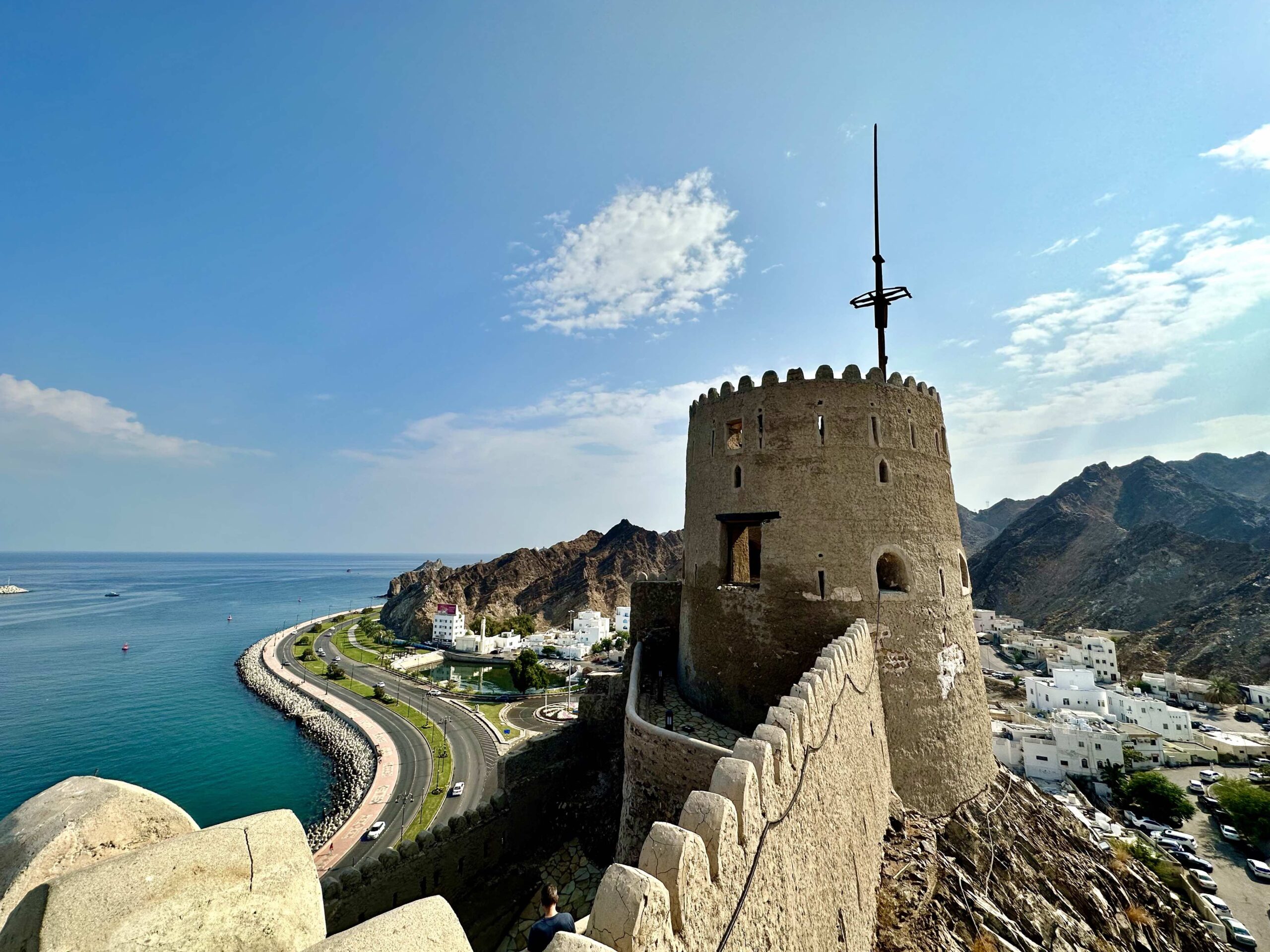
After lunch climb Muttrah Fort for a panoramic view of the harbour, drive along the Corniche to see the giant incense burner over Al Riyam Park and continue to the government district to gaze through the gates of the Sultan’s official residence, Al Alam Palace.
If you're feeling strong, here's some more things to do in Muttrah.
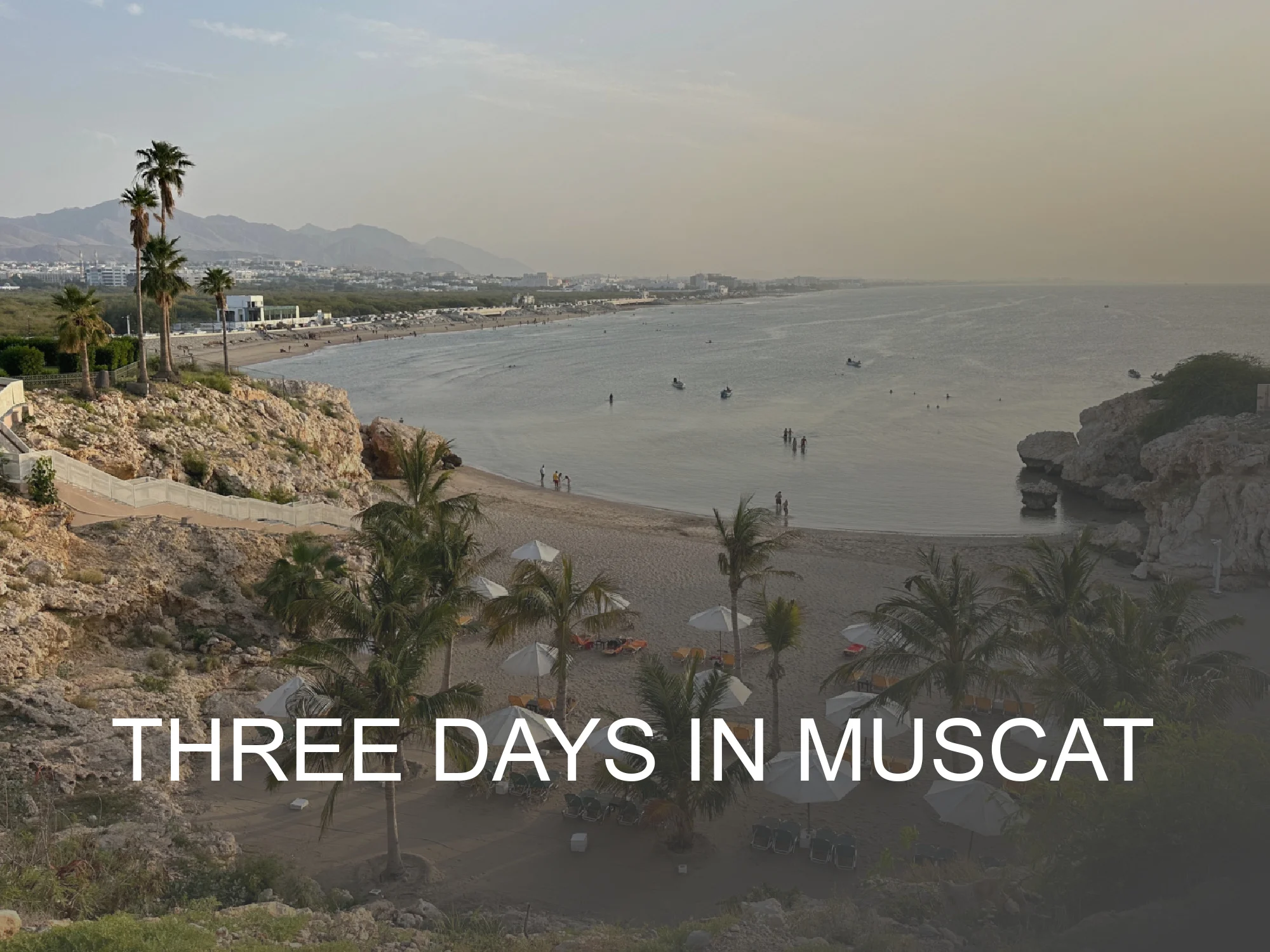
Go longer? Check out my itinerary for three days in Muscat.
Where to stay
Check in to one of these places in and around Muttrah at the end of your first day in Oman:
- The Fort Guesthouse - a traditional guesthouse at the centre of Muttrah that gets great reviews for its location and hospitality.
- Nassem Hotel - this sea view hotel on Muttrah Corniche is a top choice for visitors, including families, who want somewhere central but not fussy where they can rest in-between exploring.
- The Sheraton Hotel - a very reasonably priced 5 star international hotel with pool, restaurant and bars a short drive from Muttrah. It is in an urban location but we have stayed a few times and enjoyed the stunning lobby, mountain views and excellent dining facilities
Day 2: the Grand Mosque, Oman Across the Ages Museum and an evening in Nizwa
Depart Muttrah after breakfast and visit the Sultan Qaboos Grand Mosque. It's open from 8am and the earlier you arrive the quieter you'll find it.
Marvel at Oman's top visitor attraction
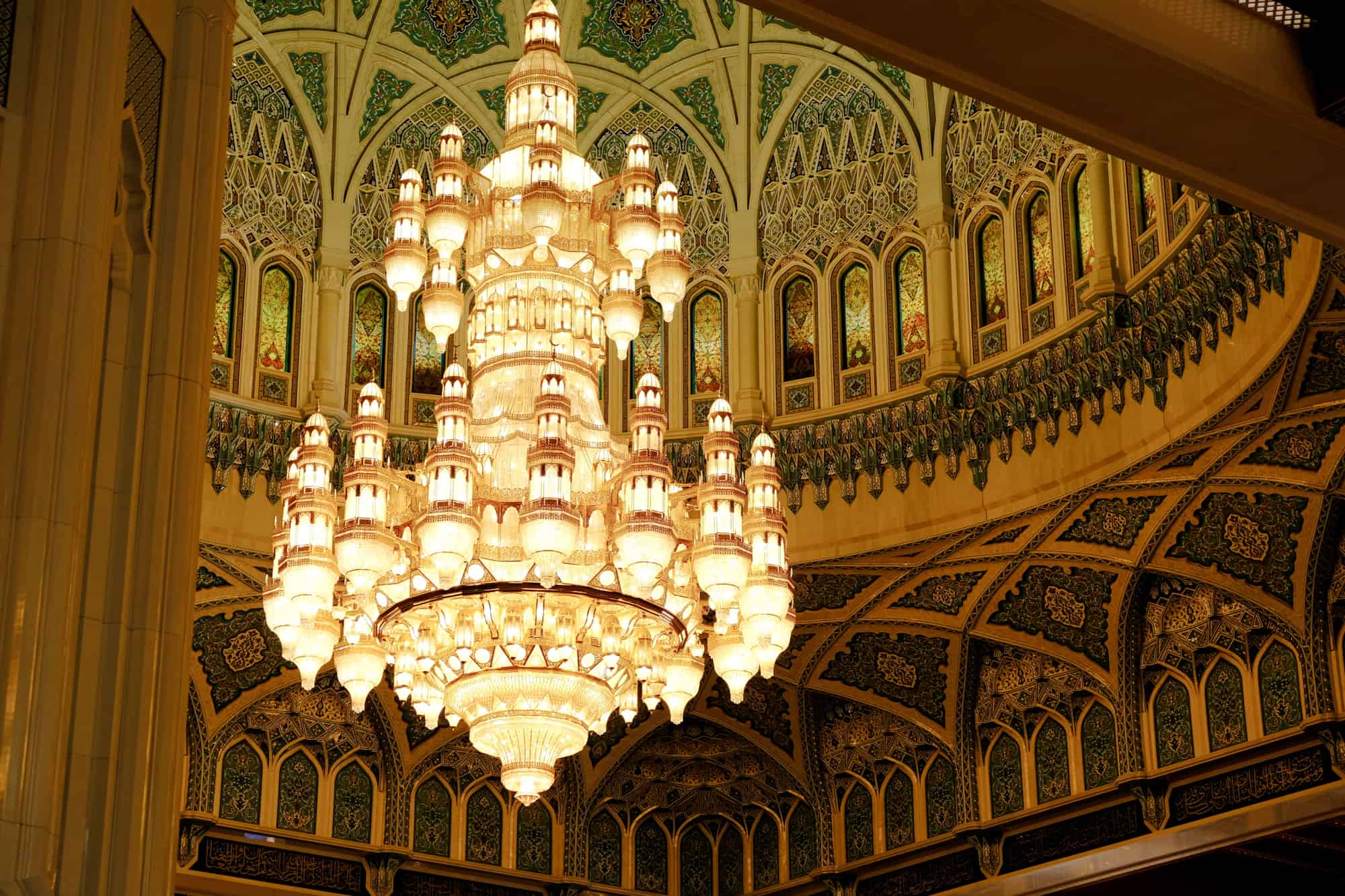
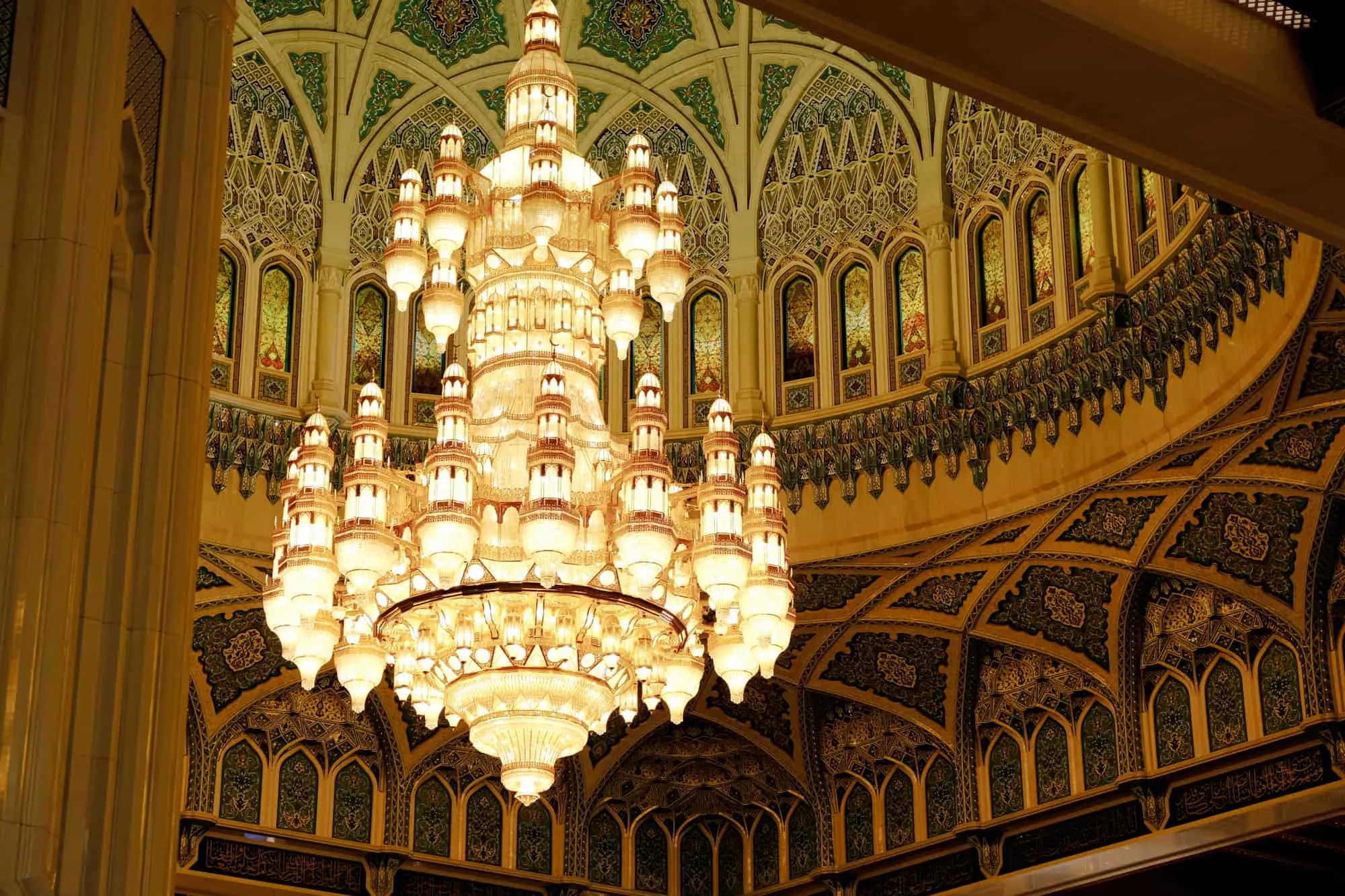
The Grand Mosque is a showcase of Islamic design from across the world and somehow manages to strike a balance between extravagance and elegant beauty.
The mosque is open to visitors from 8am to 11am Sunday to Thursday.
Tip: this is one of the only places in Oman where what you wear is seriously scrutinised before you can enter. Adult women must cover their hair with a scarf and all adults should wear loose clothes that cover you to your wrists and ankles. Children's outfits are considered less.
Enter the Hajar Mountains
From Muscat, drive two hours inland towards the historic city of Nizwa. But before settling for an evening in the shadow of the Hajar mountains, take a detour to a museum that resembles them.

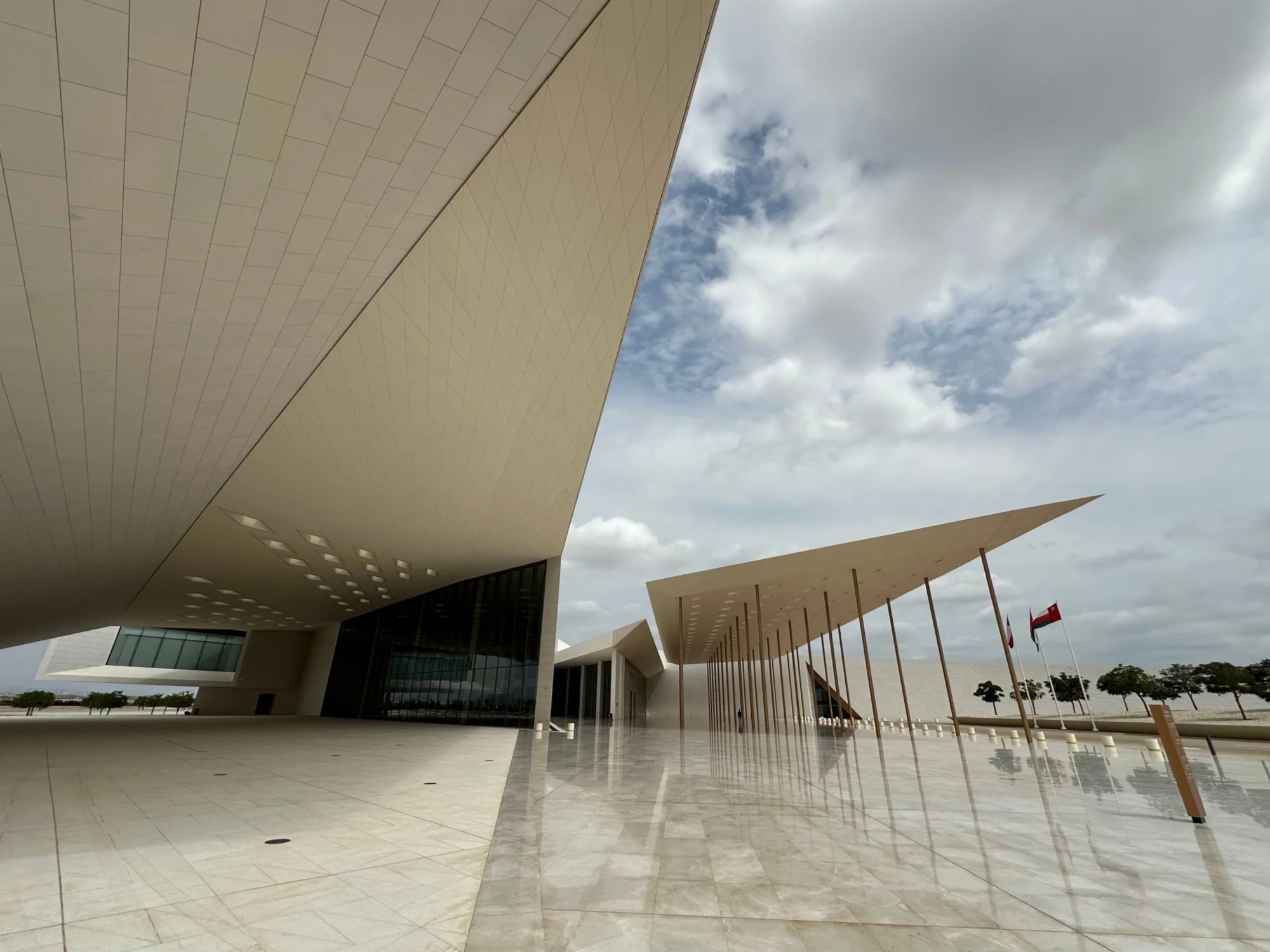
Each time friends and family visited us I brought them to Oman Across the Ages as I think it is the perfect introduction to the country. It is Oman's largest museum and tells the story of the Sultanate's past, present and its aspirations for the future through enormous multi-media galleries.
It’s not only fact-filled, it is also a family pleaser with plenty of hands-on activities for kids. The cafe is also reasonably prices for snacks or lunch.
You can easily fill three or four hours at Oman Across the Ages Museum. Once you have explored enough, Nizwa beckons.
Embrace night life in one of Oman's ancient cities
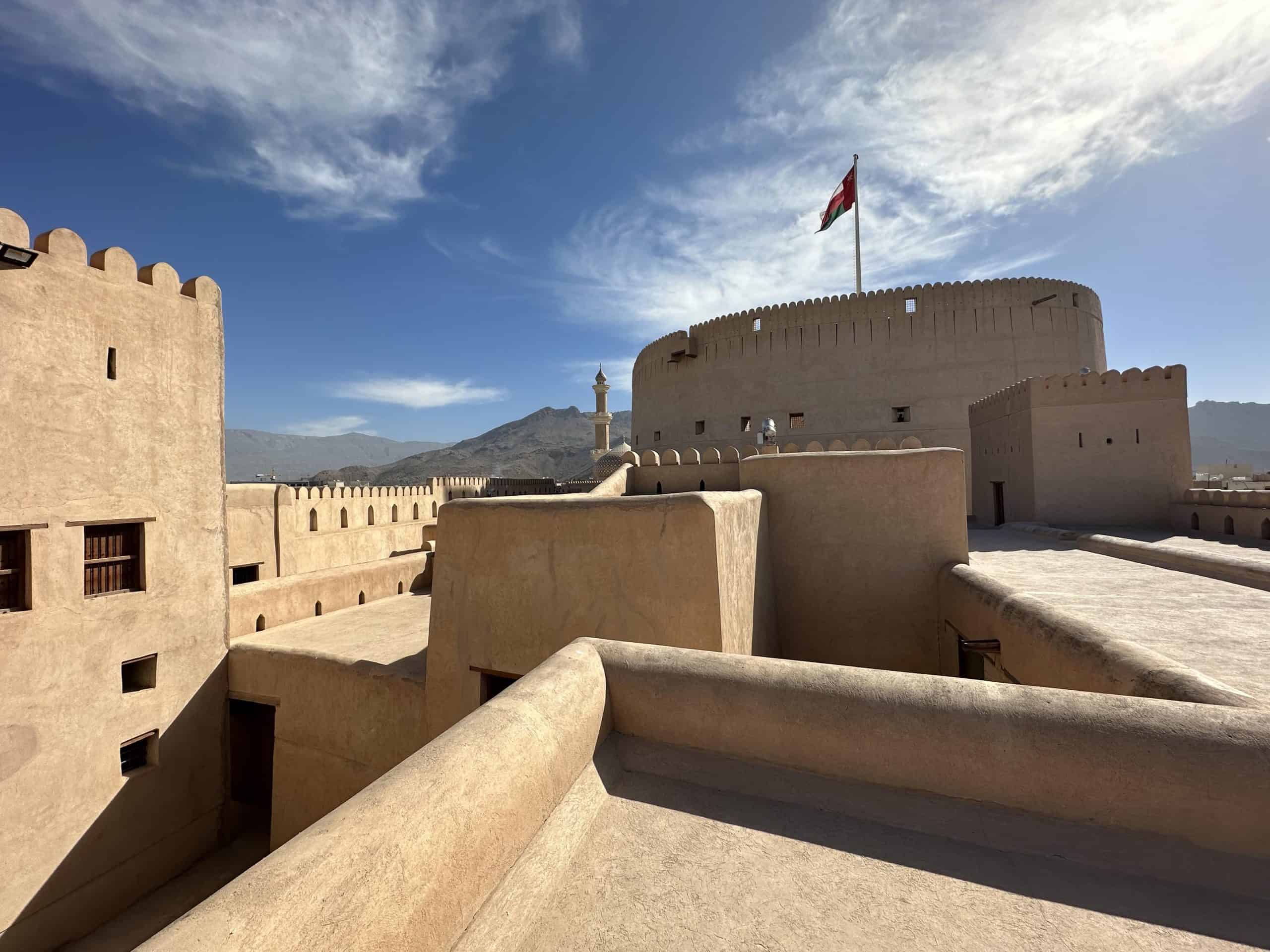

Nizwa served twice as Oman's capital and is renowned as a centre for academia, religion and Silk Road trading.
Arriving late afternoon allows you to explore the city's bustling souq and 17th Century fort alongside locals who prefer to avoid the daytime heat.
Visit a roof top cafe, climb to the top of Nizwa Fort and don't miss the chance to try dozens of date varieties in the souq.
Where to stay
Book a room in Nizwa's oldest district to soak up the evening atmosphere:
- Antique Inn - a traditionally decorated hotel with swimming pool, located just 200m from Nizwa Fort and Souq.
- Durrant Inn - a modern Omani guest house with views of Nizwa Fort, a roof top cafe and family rooms.
If you stay at one of these places in the old city be aware that the streets are very narow. Parking may only be available outside Nizwa Souq (Google Map location).
Day 3: Bahla and Misfat al Abriyeen


If day three of your week-long Oman itinerary happens to be a Friday, get up at dawn for the famous goat market and an abundance of other pop up stalls.
Purchase any last minute souvenirs and hit the road to another ancient city, Bahla.
One of Oman's best forts

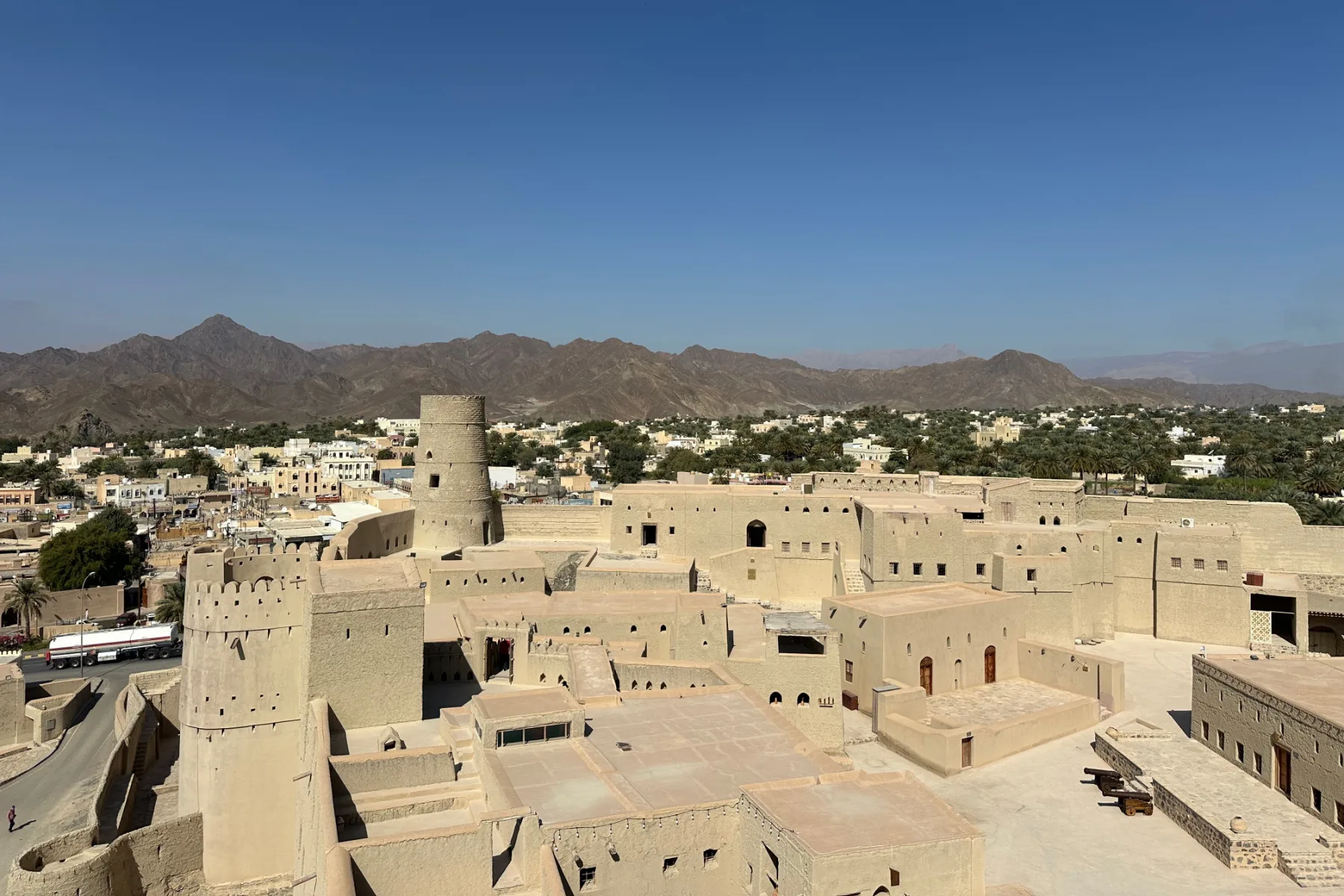
Despite its UNESCO World Heritage site status, Bahla Fort is often overlooked by visitors in the favour of the more famous Nizwa Fort. But in this seven day itinerary you get the chance to visit both.
The beauty of this fort is that you are free to explore the maze of rooms, battlements and towers without falling over too many other tourists. The views of the oasis and mountains beyond are brilliant. You can also see some of the city wall that still encircles modern Bahla.
Where next? If you have time you could also visit nearby Jabreen Castle before travelling on to your overnight stop in the mountain village of Misfat Al Abriyeen.
Explore a village of living history
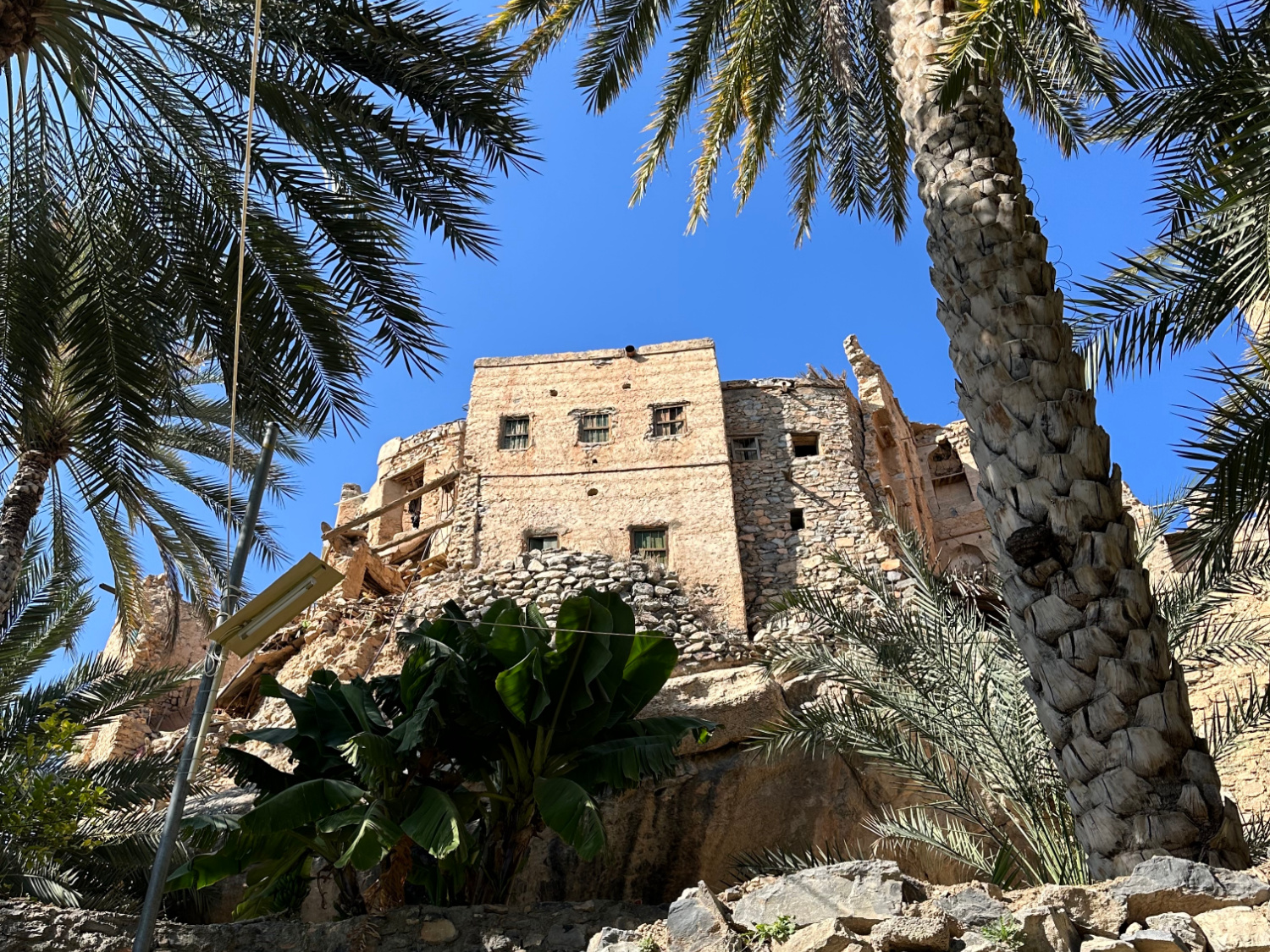

The ancient village of Misfat gives you a taste of rural life in Oman’s mountains where people have built their homes on the side of cliffs close to natural springs.
Most of Misfat’s population now lives in the modern houses across the valley and the town of Al Hamra on the plateau below. They still farm the plantations and have turned their ancestral homes into guest houses.
Need to know: Misfat Al Abriyyin is accessible by road. Once parked at the top of the village you must explore on foot. There are lots of steps so come prepared with comfy shoes. Dress respectfully in clothing covering shoulders and legs.
Where to stay
Stay in the village to experience Omani hospitality and the peace of the mountains after the day's visitors have departed:
- Misfat Old House - this inn at the bottom of the village puts you in the middle of the plantations.
- Misfat Hospitality Inn - this converted home overlooks many of the tumbledown buildings and roof top cafes.
Day 4: Al Hoota Cave and Wahiba Sands
Enjoy breakfast overlooking Misfat before taking a hike beyond its plantation to the spring that feeds its irrigation system. Alternatively, if it's a very hot day, you may prefer to go underground.
Al Hoota Caves
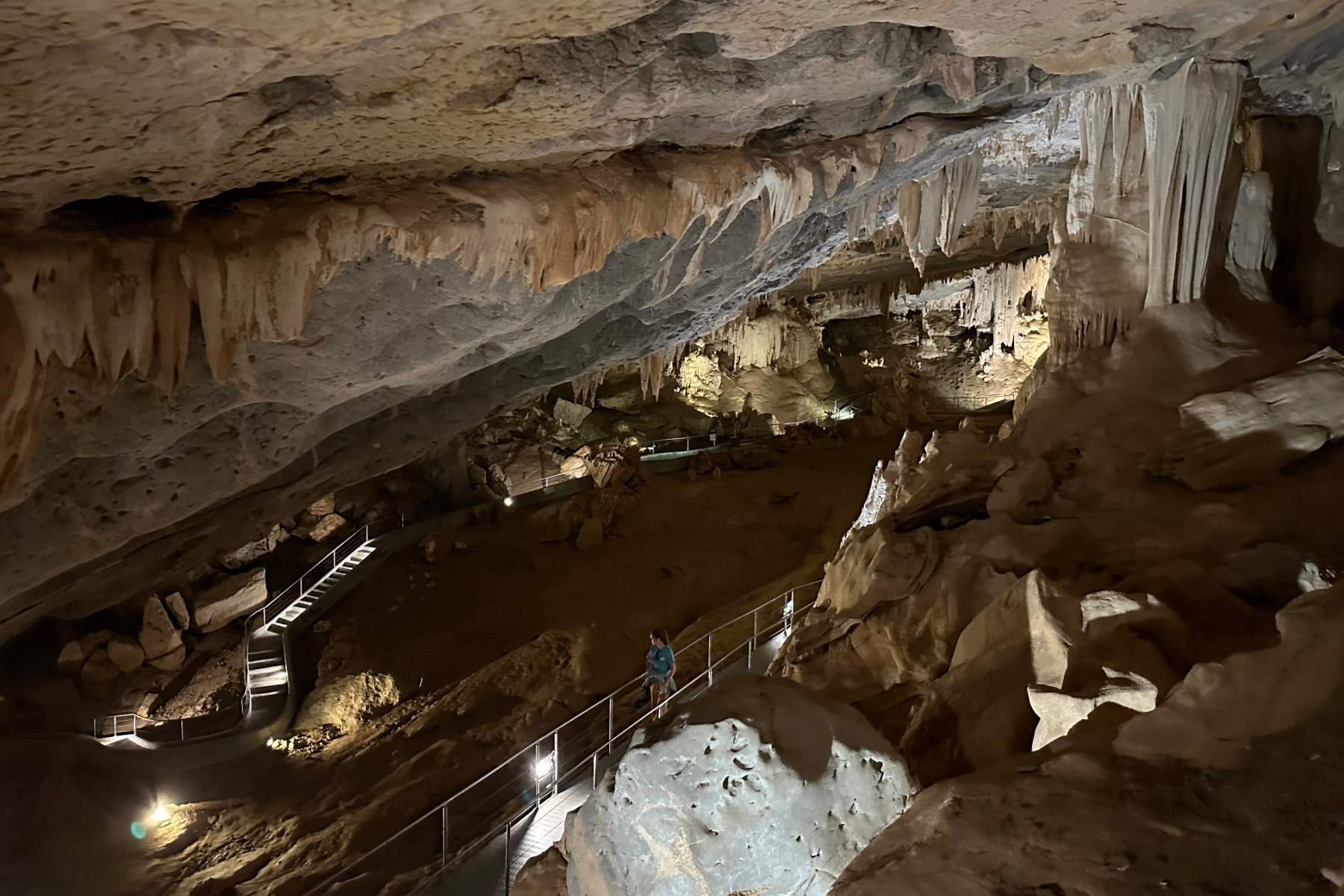
Just half and hour from Misfat you can visit the Arabian Peninsular's largest show caves.
Experts have aged Al Hoota Cave at between two and three million-years-old. Back then Oman was a very wet place. Water flowing through the sedimentary layers dissolved the limestone forming tunnels and eventually a cave now known to span 5km.
Today you can explore 500 metres of the cave on a guided tour that takes between 45 minutes and an hour. Guides speak both Arabic and English.
A night in the desert
From the Hajar Mountains, it's time to explore somewhere more traditionally associated with the Arabian Peninsula - the desert.
Before moving to Oman I didn't understand the attraction of spending time among dunes. But my first ever desert sunset won me over. And, if that wasn't enough, I was wowed by the extraordinary night sky.
Of course there are other activities to do in the desert, like dune driving, camel riding and even hot air ballooning.
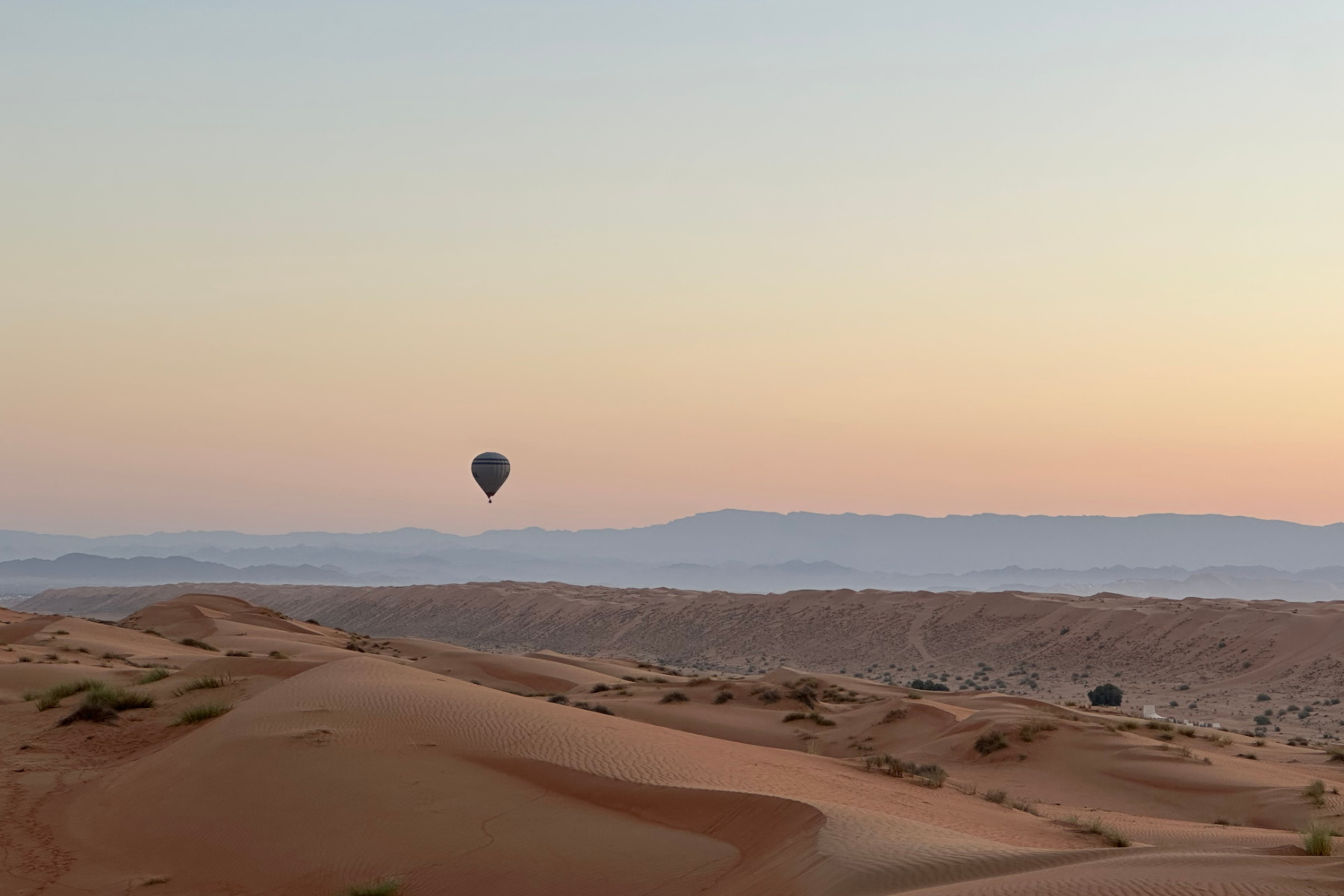
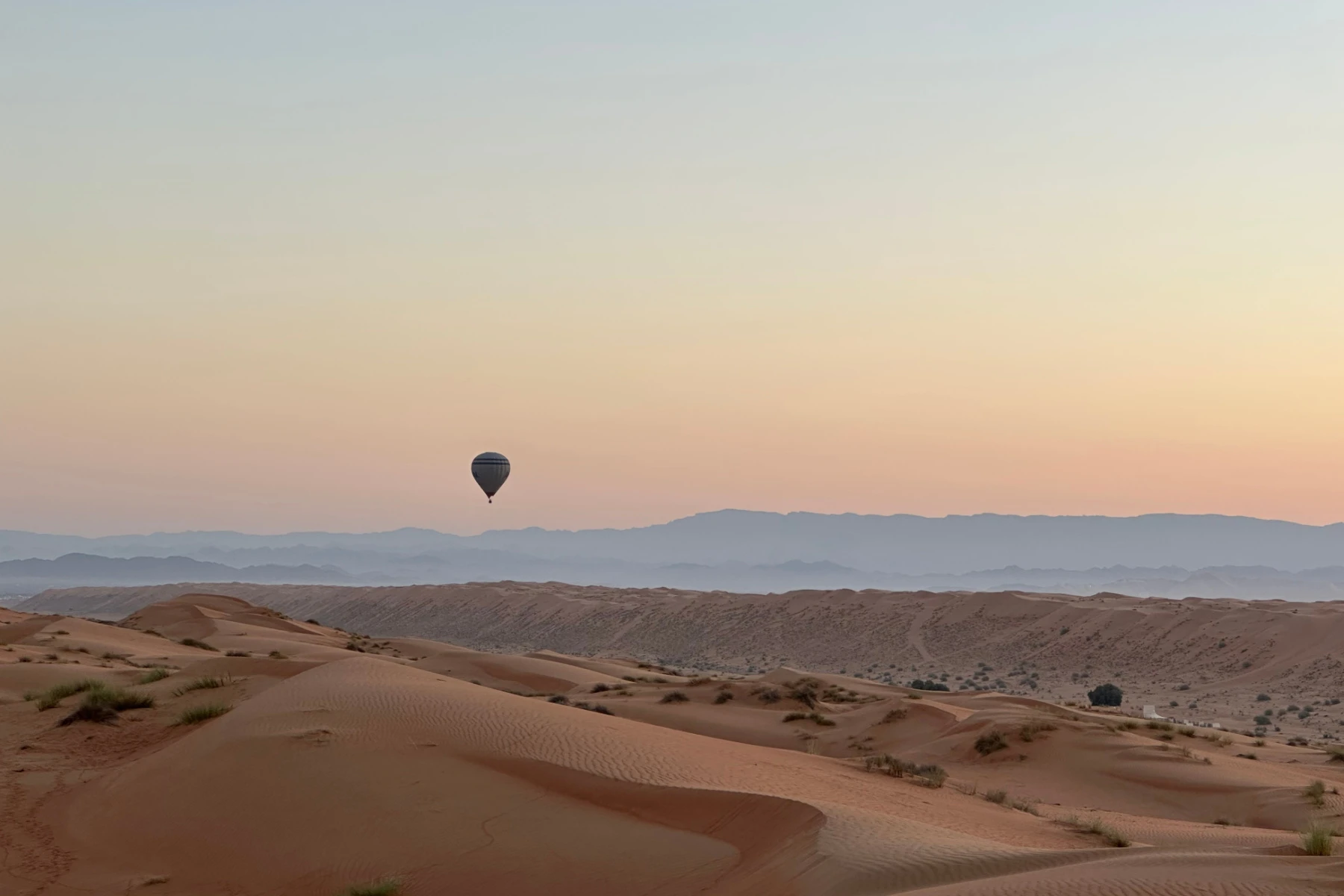
Fact: Wahiba Sands is Oman's Eastern-most desert and can be spotted from space. This is because its 200km long and 100km wide dunes run in lines from North to South making it immediately recognisable.
You need a 4x4 to enter the desert. Most camps can offer you a lift from Bidiyah or Al Wasil for an extra fee.
Where to stay
The desert offers accommodation ranging from authentic camps to luxury resorts. Here's some personal recommendations, whichever takes your fancy:
- Bedouin desert camp - enjoy traditional hospitality and accommodation with enough modern luxuries to make you comfortable. You can also book a sunset dune drive, camel rides and bug hunts.
- Desert Nights Resort - a luxury resort complete with air conditioned rooms, pool villas and a hotel standard restaurant
Day 5: wadi adventure
The perfect adventure after a night in the desert is a visit to one of Oman’s famous wadis. Wadi Bani Khalid is an hour from the edge of the dunes.
Wadi Bani Khalid
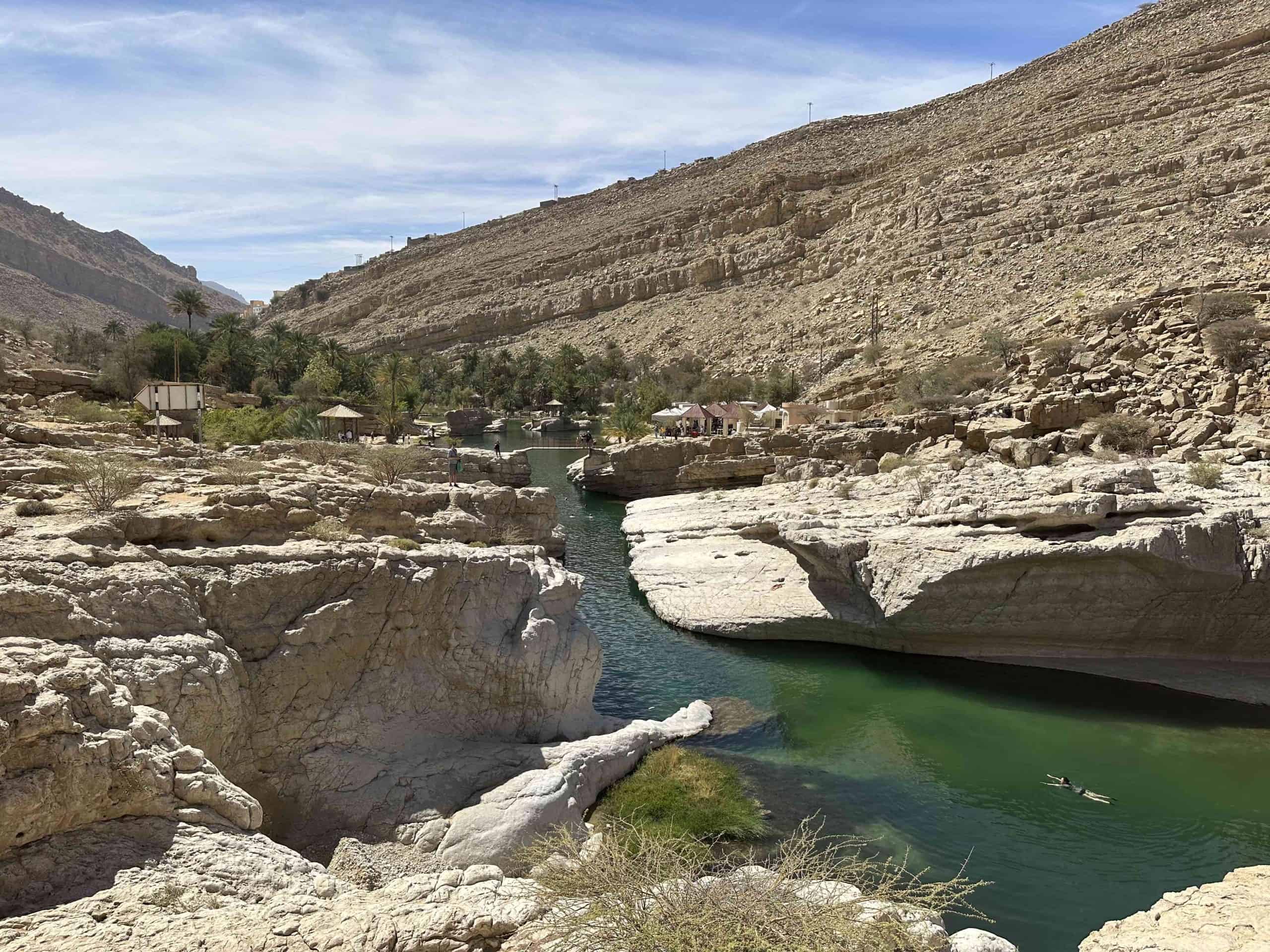

Exploring Bani Khalid can be as easy or adventurous as you like. It takes just five minutes to walk from the parking area to the first set of pools where you can admire the view or have a dip.
Find even more pools by swimming and scrambling up the river or take a walk along the side of the valley.
Fact: If you’re super adventurous you can find a cave with a hot spring 1km into the wadi. Crawl inside to find bats and a bear the rush of the bubbling spring.
You can spend half an hour to four hours at this wadi depending on how much you want to do. Wear comfortable clothing and shoes that you can get wet.
The adventure continues in Muscat
After a whistle-stop tour of Oman's ancient interior, mountains and desert, it's time to return to the capital to enjoy some time on the coast.
Where to stay
Here are some beach-front options so you can round off your Oman itinerary enjoying sea views:
- Crowne Plaza in Qurum - this 4 star beach hotel with private access to Qurum Beach is in the perfect location to enjoy watching the sun set over Muscat. It's also central enough for you to revisit the Grand Mosque or Muttrah if you didn't manage these earlier in your stay
- Kempinski - a family-friendly 5 star beach-front hotel in the Al Mouj area of western Muscat. There's plenty of cafes and restaurants on the marina and you are in the perfect spot to join a trip to the Daymaniat Islands (day six on this itinerary)
- The Chedi - this 5 star hotel combines Arabian charm and luxury surroundings is perfect for couples. It is also in a good location for reaching Al Mouj Marina.
Day 6: Daymaniat Islands
You'll have to tear yourselves away from the pool today, but the early alarm call is well worth it.
Meet Oman's marine life

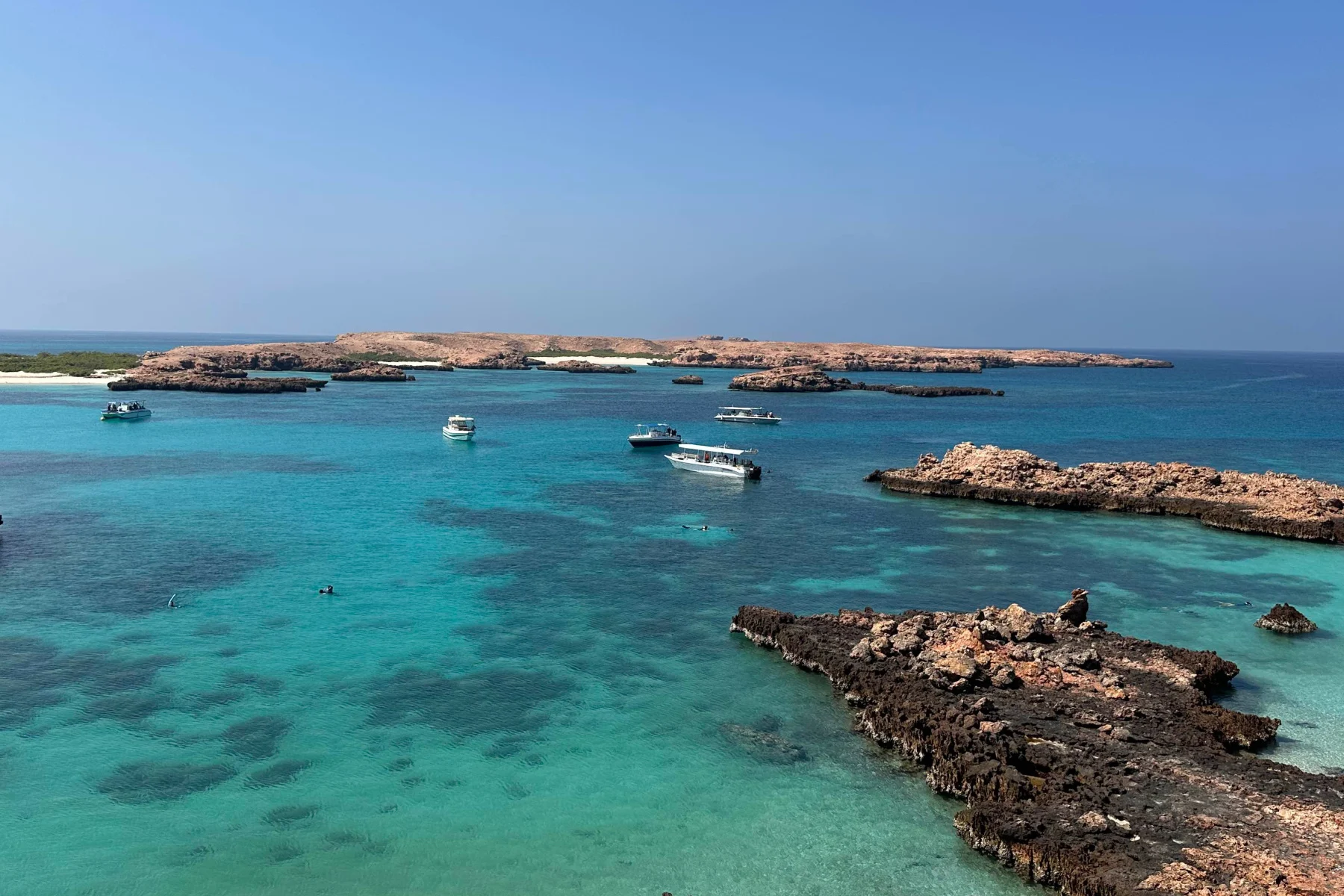
The Daymaniat Islands are an archipelago 42km off the coast of Muscat and is one of the top places to for snorkelling and diving in the region.
Having been to the islands several times, I’d suggest booking a morning trip and reserving your afternoon to relax at your hotel.
Each time we have been we have seen dozens of turtles and countless colourful fish feeding on the coral. We even got lucky in May and saw whale sharks on the way to the islands.
This is an all year round activity but you can only step on to the islands between November and April because of the turtle nesting season. But to be honest, the main event is under the sea.
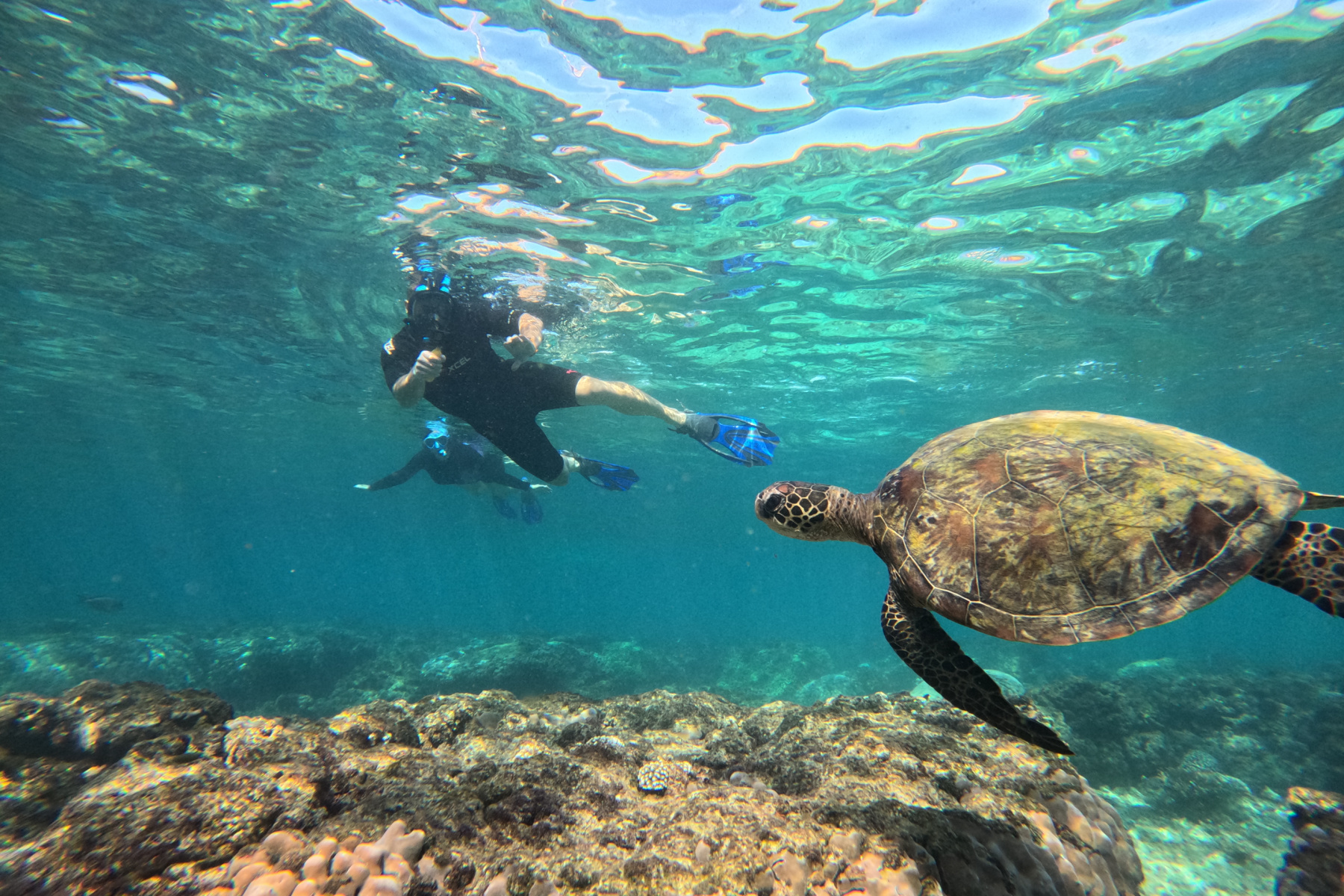
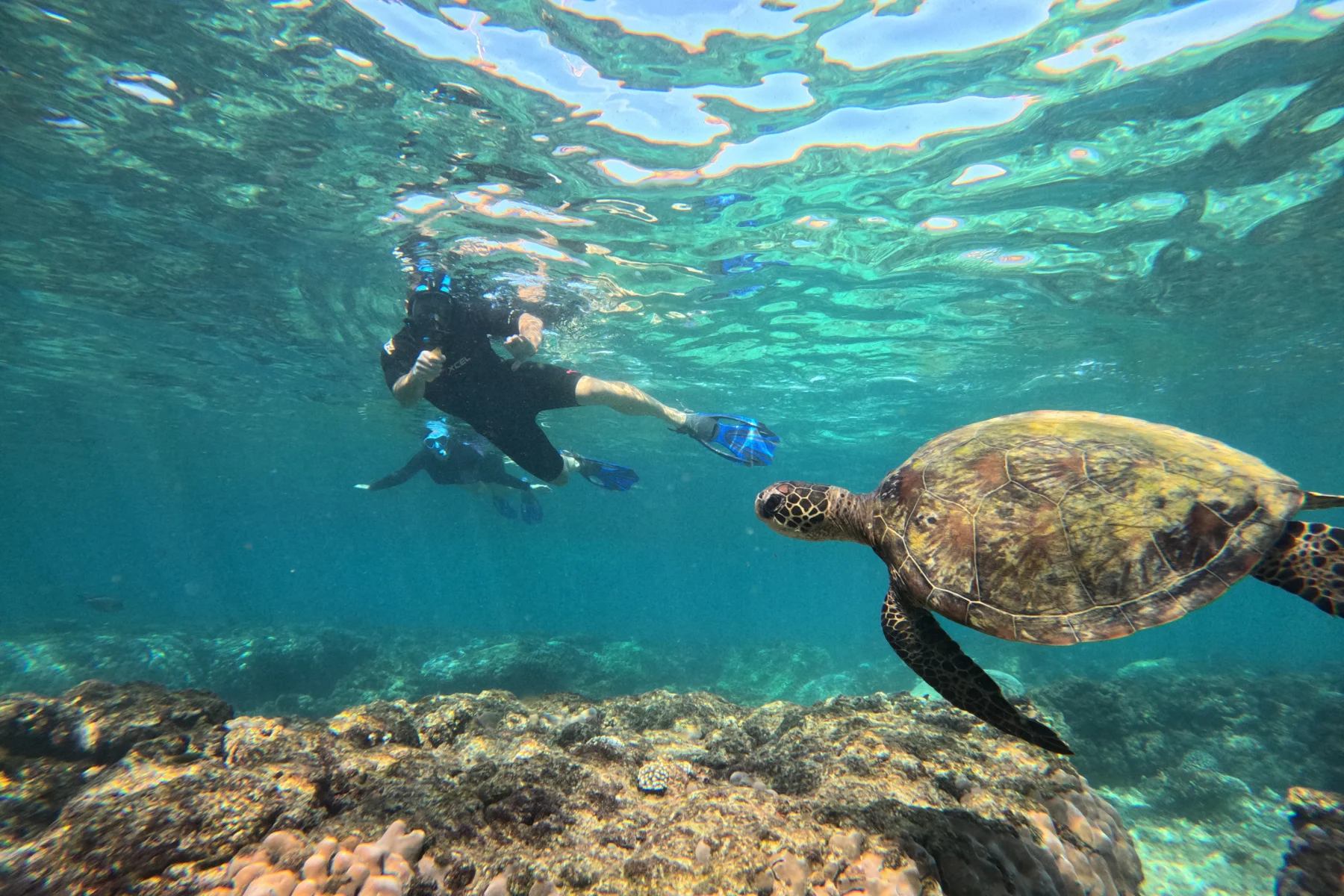
As well as guaranteed turtles there's countless tropical fish. We've seen different varieties of snappers and surgeon fish, Spot-fin Porcupinefish, Arabian Butterfly fish, Picasso Triggerfish and Black-tipped Reef Sharks.
After five hours at sea you'll be ready to return to your hotel to freshen up and chill for the rest of your day.
Day 7: Relax and reflect or make the most of your final day
If you don't need a lay in by now, you're a more energetic human than me. Sadly, you may also be constrained by your onward travel plans.
But let's make the most of your last day in Oman.
Got time for a quick pit stop?
If you do have a few spare hours I can suggest brunch at one of these excellent Muscat cafes.
Evening flight?
If you have more than a few hours and aren't tempted by a late check out, now is the perfect time to visit the Grand Mosque or the highlights of Muttrah if you didn't have time on day one.
Final thoughts on this 7 day Oman itinerary
It's possible to see a lot of northern Oman in the course of a week, from marine wildlife on the coast to mountain villages where time seems to have stood still and dramatic desert landscapes which the Bedouin have called home for millennia.
Yet, this is still the briefest of insights into an extraordinary country, highlighted by this map of the key points of interest in this itinerary:
Where next?



Want more inspiration for your Oman itinerary?
Read my latest posts: