


When we moved to Oman, visiting Jebel Akhdar was one of our first adventures from Muscat. We were intrigued to see this 'Green Mountain', admire its view points and explore one of Oman's abandoned mountain villages: Wadi Bani Habib.
This is one of several ancient villages that attracts visitors to the Hajar Mountains. Not all are crumbling like Bani Habib. Some, like The Suwgra, are thriving businesses that allow guests to stay and imagine what it must have been like to live in a cliffside community.
Others like Misfat Al Abriyeen are places of living history, still home to Omani families and farmed for fruit while receiving thousands of visitors each year.
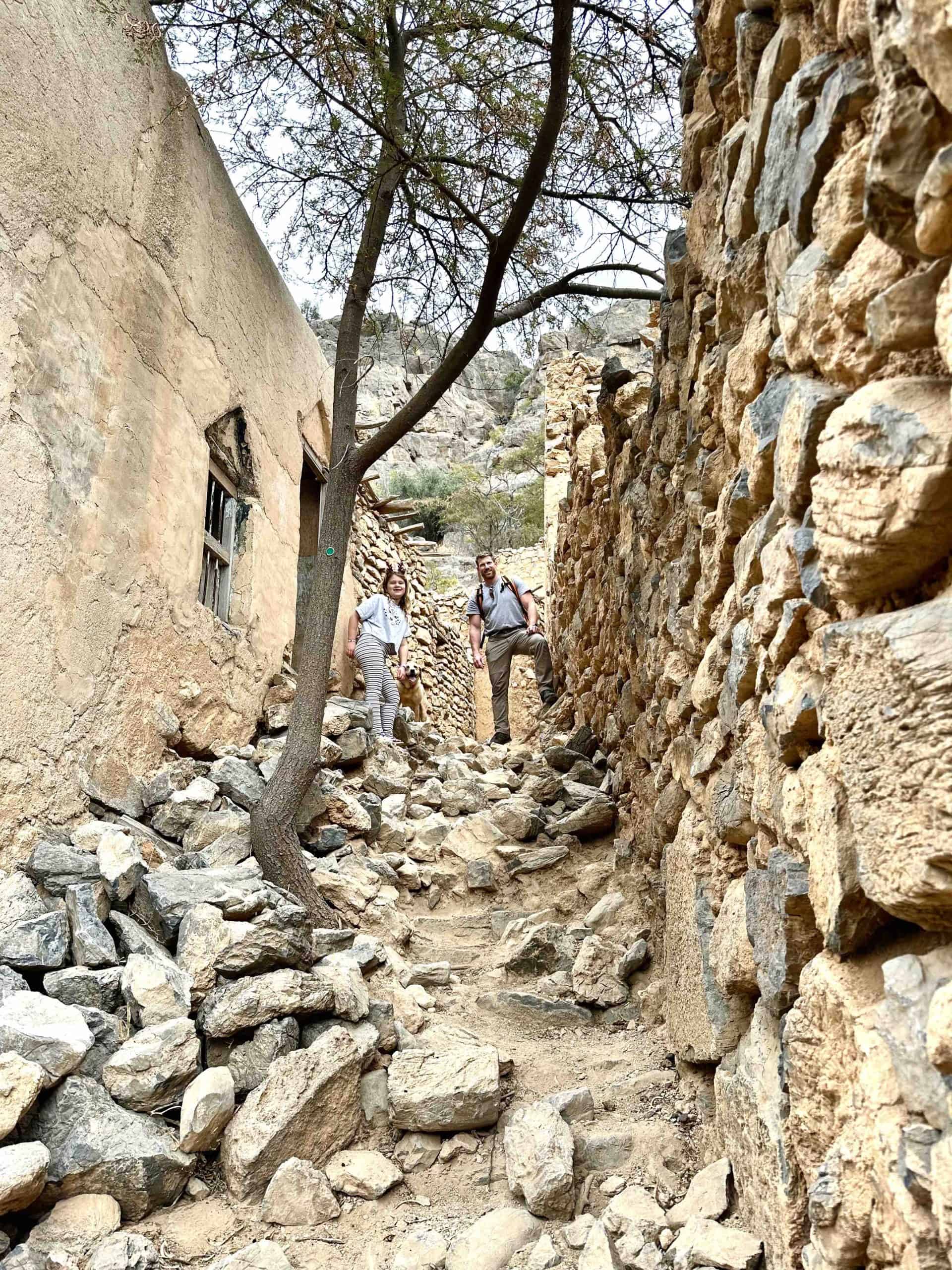

The ruins of Wadi Bani Habib offer a window into Oman's pre-oil era and the rapid change the country has seen since. In this post I want to share our experiences of visiting this Oman ghost village, along with tips for doing it yourself.
But before the good stuff, I'd like to thank you for visiting Oman Wanderlust and also encourage you to join our Facebook group Oman Unpacked. It's a community to get even more personal recommendations from visitors and expats who love Oman.
*This post contains affiliate links. If you click and buy something, I may earn some commission. This is at no extra cost to you but helps me cover the costs of running this website. See my privacy policy and disclosure policy for more information (links in footer).*
Why are there abandoned villages in Oman?

For the past six decades, Oman has been undergoing a rapid period of modernisation. This was declared a 'renaissance' by the late Sultan Qaboos bin Said who initiated it when he took power from his father in 1970.
The country had previously been made up of warring factions with limited infrastructure. Remote communities were cut off from education and healthcare.
Sultan Qaboos set out to change this. He helicoptered doctors to mountain villages and transporting children to neighbouring cities for school until local ones could be built.
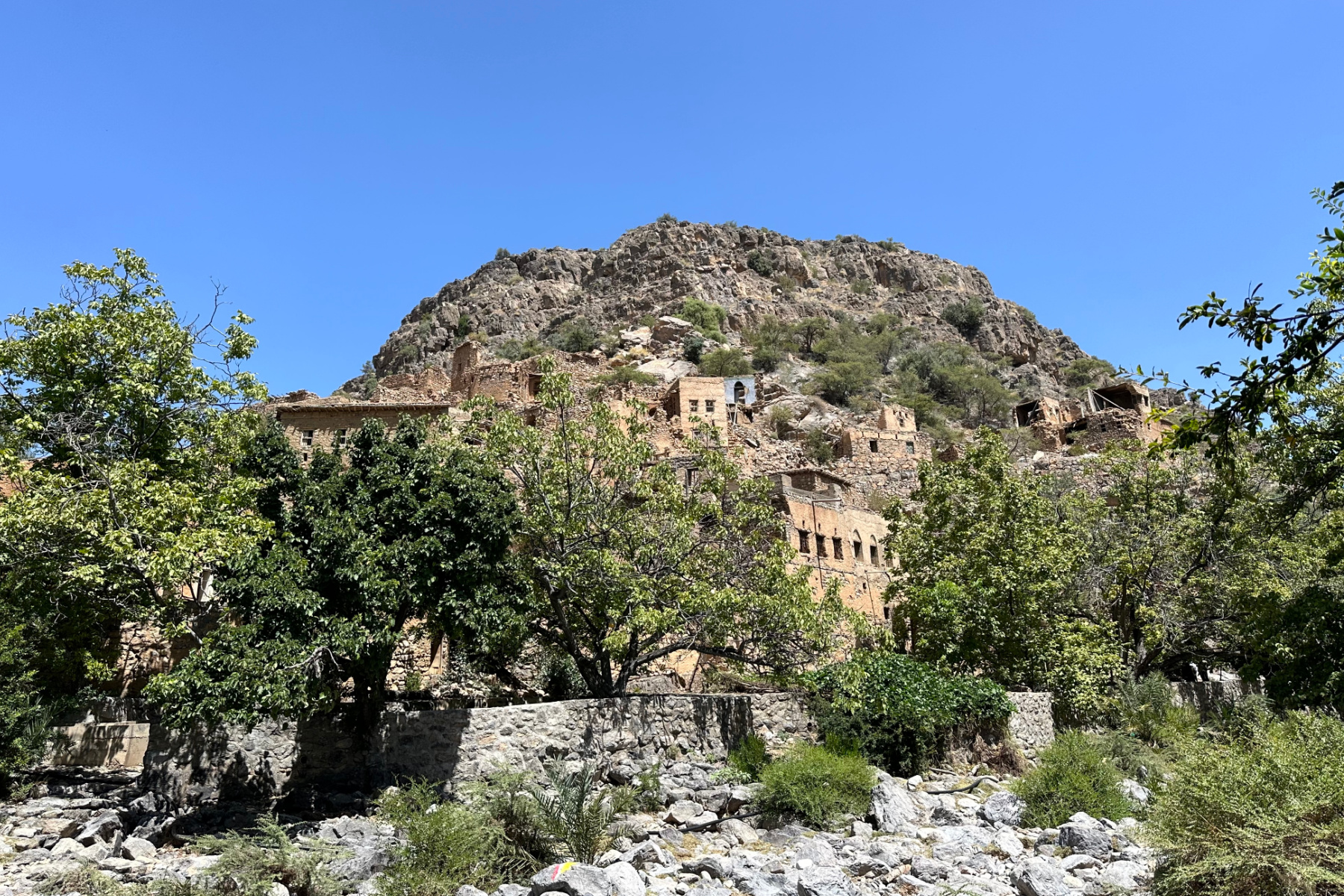

Families who farmed the valleys for hundreds of years were tempted away by roads, electricity, schools and hospitals. The pull was so strong because, before the 70s, these were extremely rare commodities. And by rare I mean there were just six miles of road, no electricity, three schools and nine health centres throughout a country with the same landmass as Italy.
There is a brilliant gallery in Oman Across the Ages Museum that helps to explain the speed and scale of Oman's modernisation. You can see it 20 minutes outside Nizwa below Jebel Akhdar.
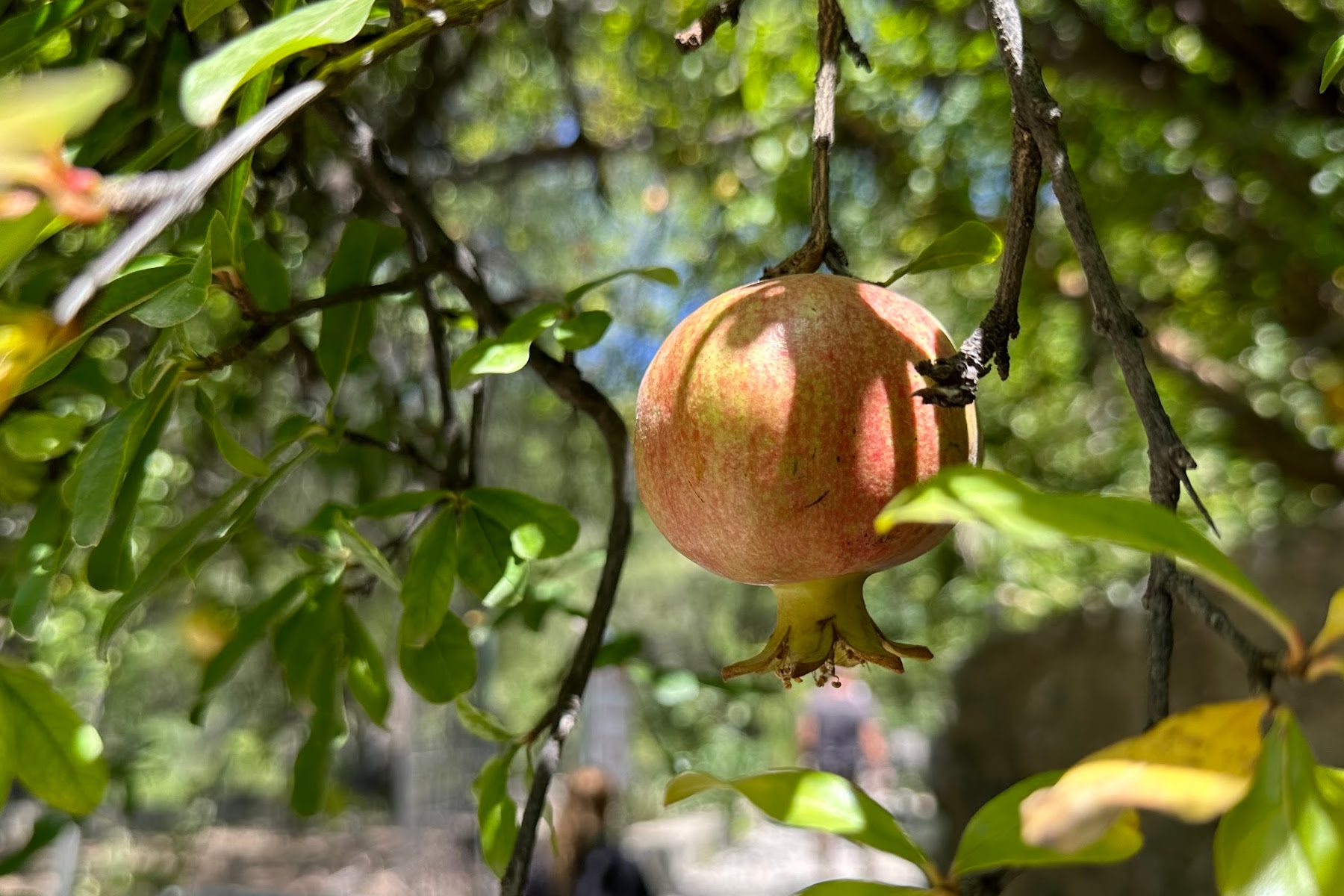

The village of Wadi Bani Habib was abandoned apart from the orchards which are still farmed by locals. A community now exists at the top of the valley. You will drive through the modern villas on your way.
Exploring Wadi Bani Habib
The walk down to the entrance of the village has been made easier for visitors with 200 steps. They're not even, so take care as you descend.
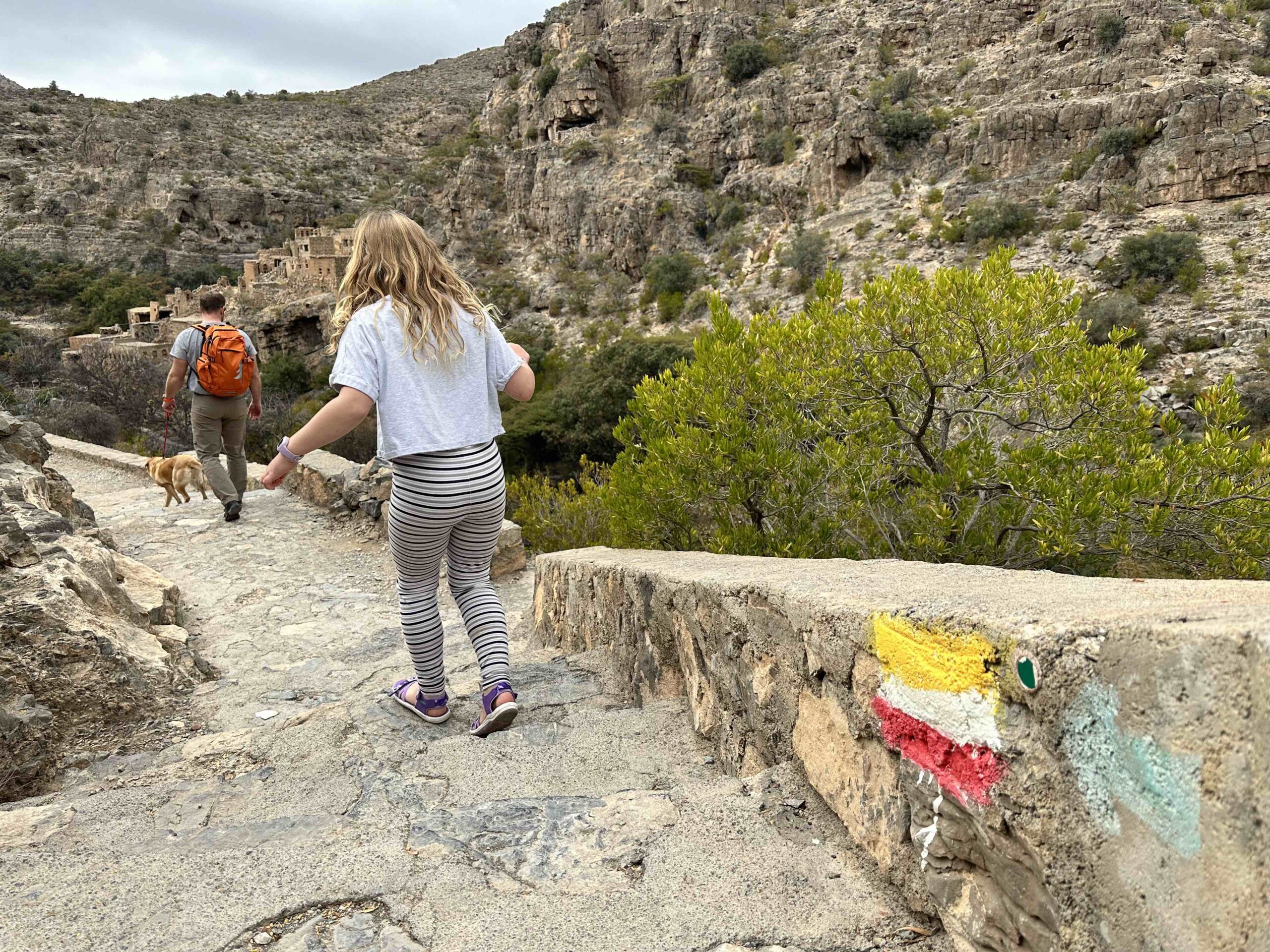

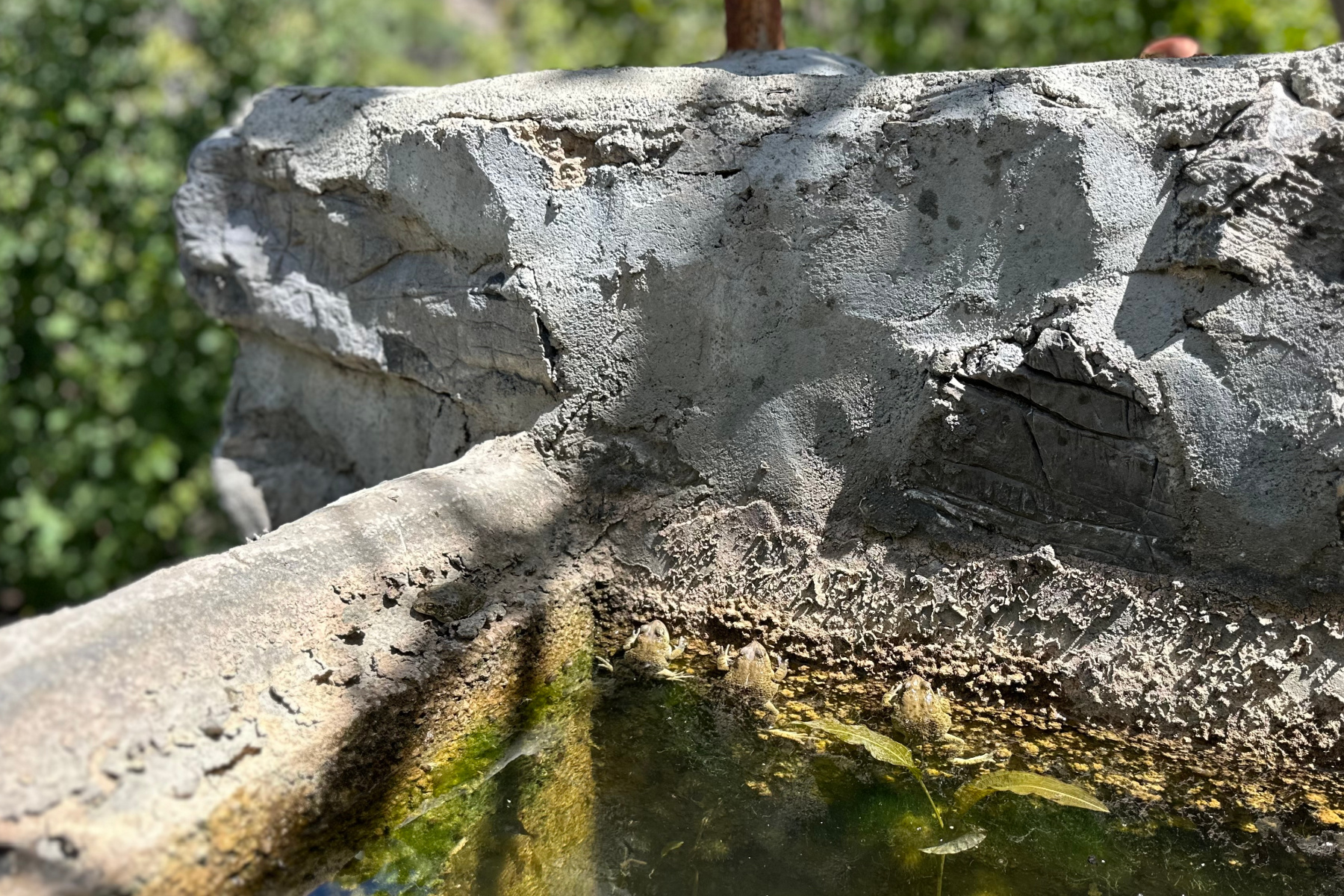
Along the way you'll see terraces fed by aflaj - an ancient irrigation system that's also home to some of Bani Habib's modern residents.

When you reach the bottom there's a bit of scrambling to be done over the dry wadi bed to reach the village on the other side.
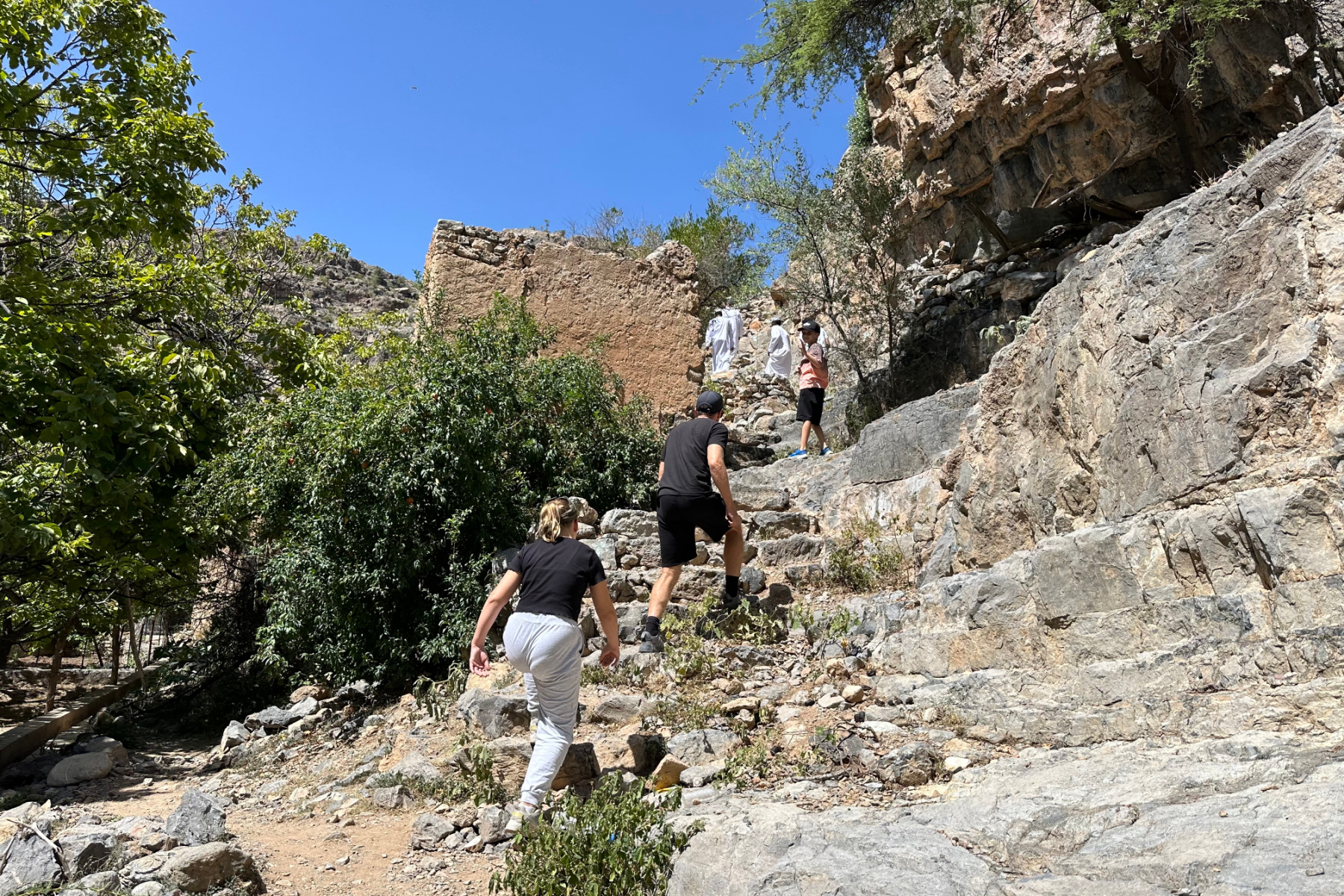

You can then follow the narrow pathways around the houses. Be aware that they are steep and uneven.
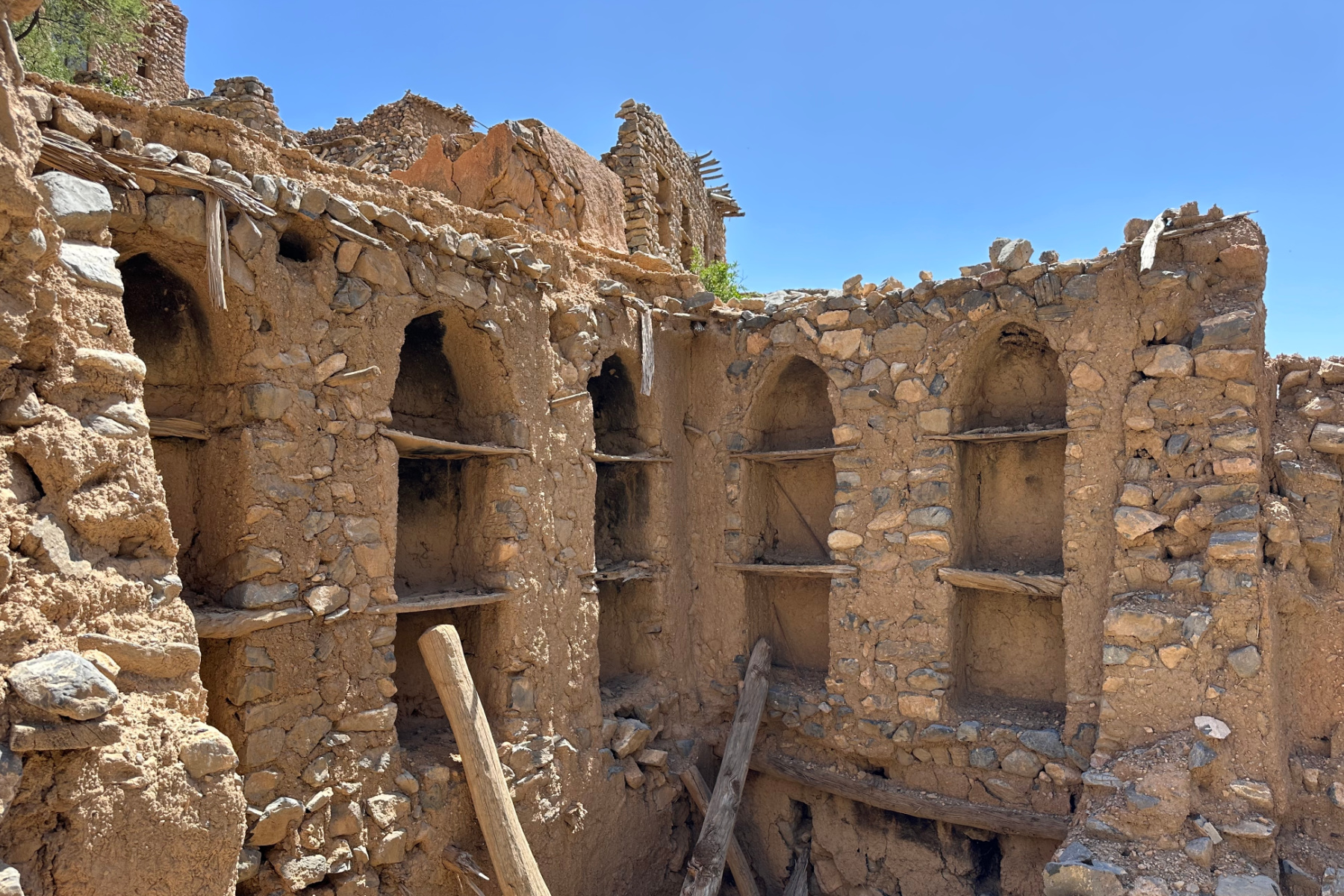

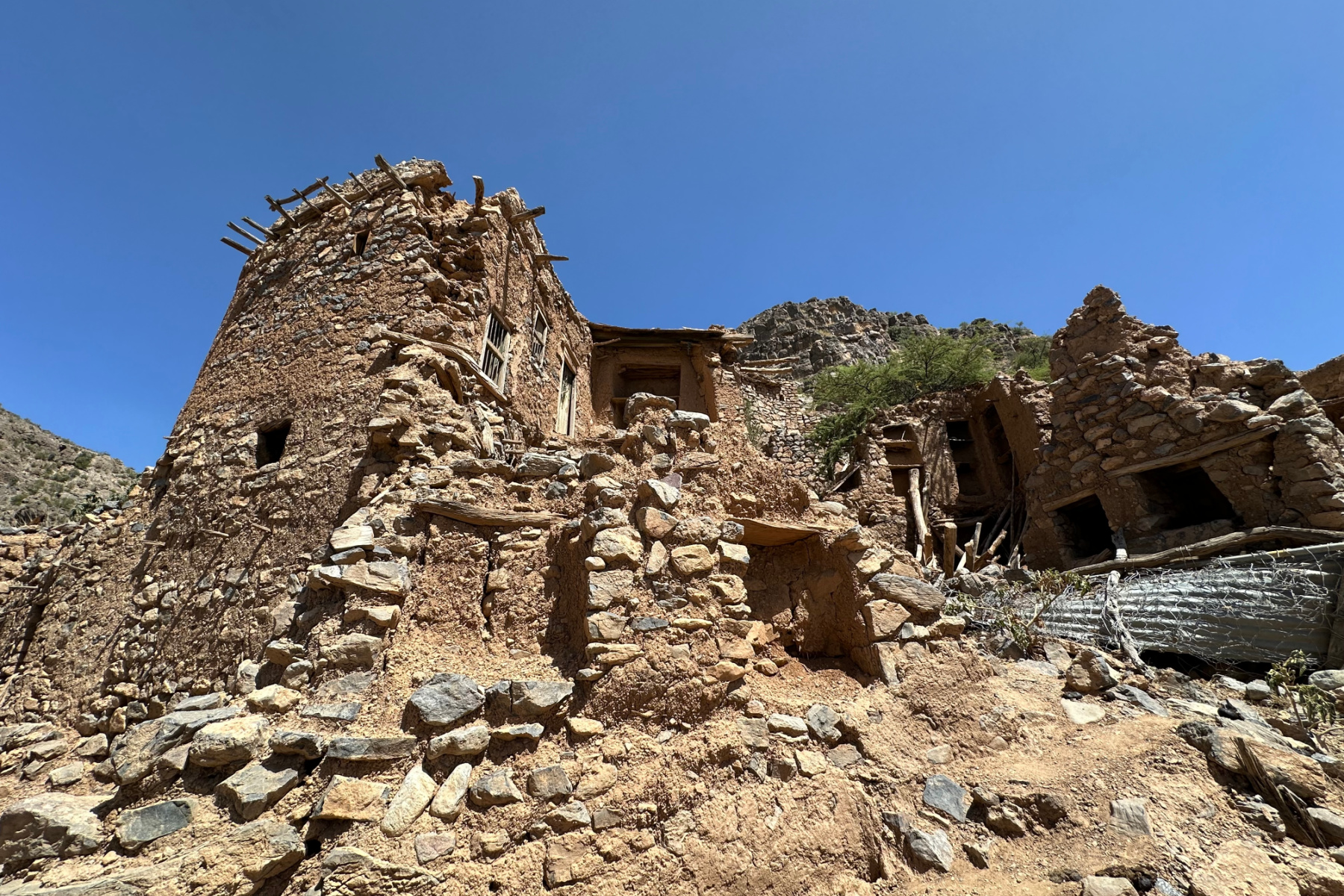
Inside the village you will see traditionally built mud and stone homes. They have niches in the thick walls and ceilings lined with branches. There are also thick wooden doors, beautifully engraved in an unmistakable Omani style.
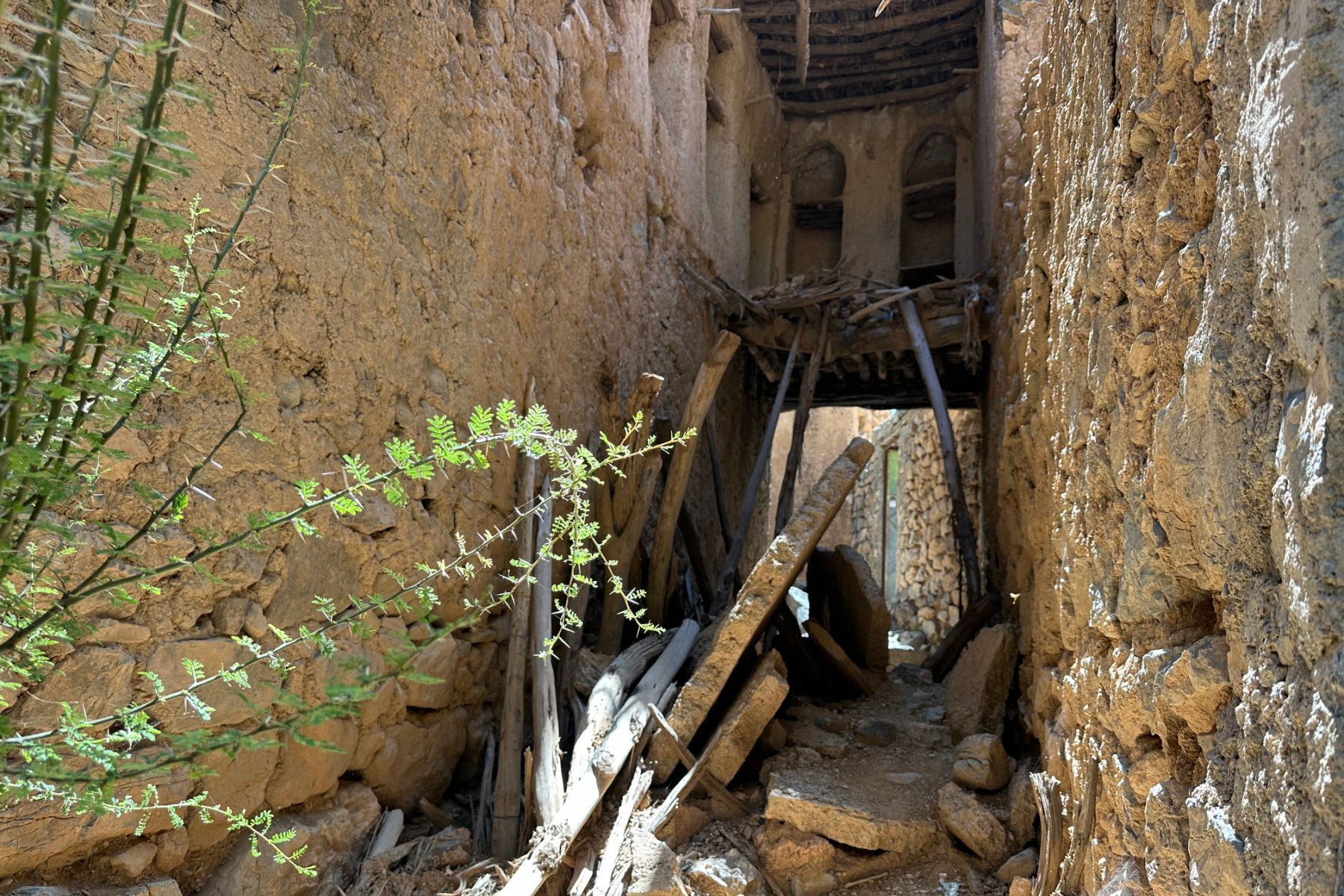

You should not enter any of the homes, however tempting, as they become more fragile every year. Floors, walls and ceilings had fallen away in the 20 months that separated our visits.
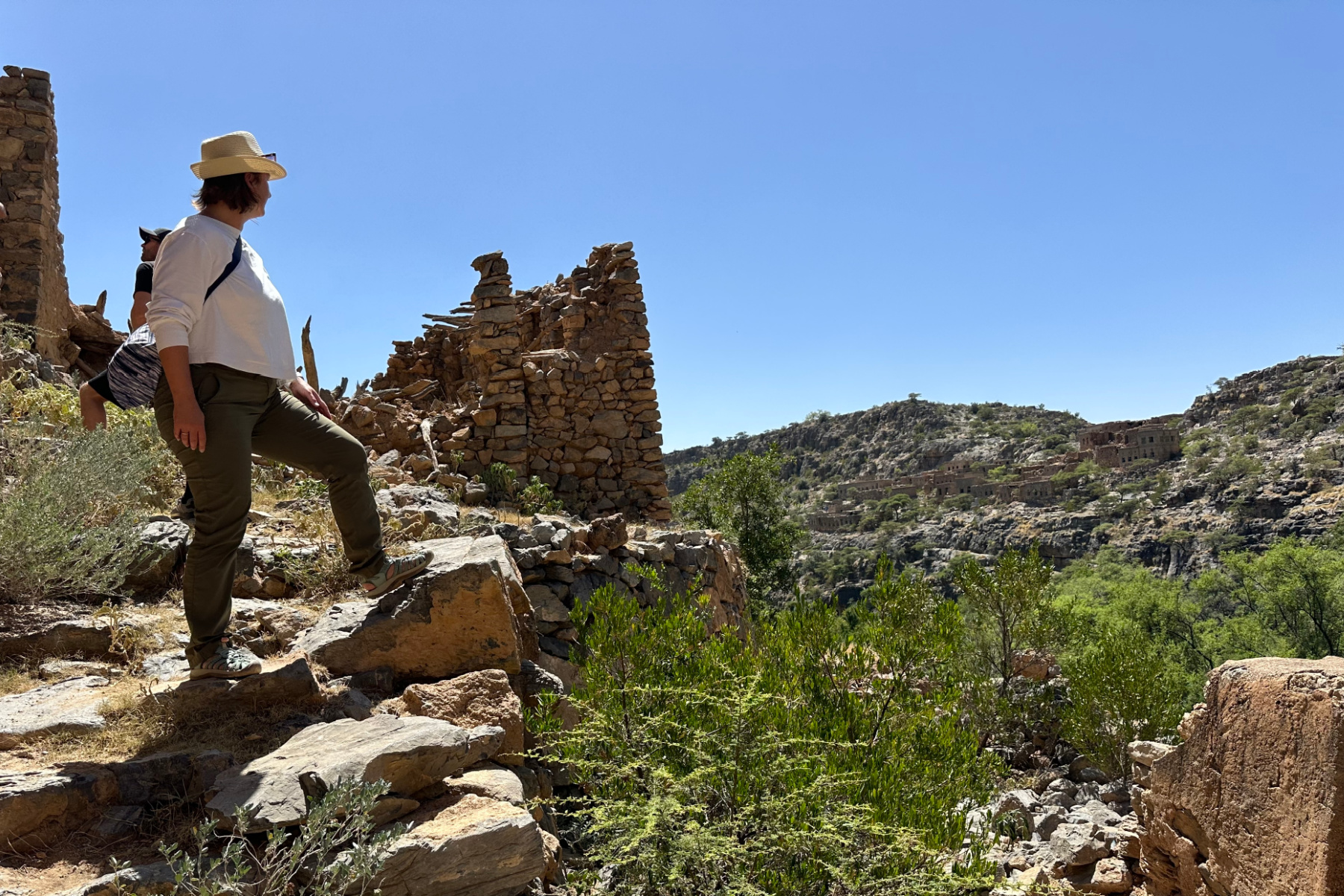

Once you are up in the village on the right of the valley you can look across and spot more abandoned houses on the left. It's possible to take a path to these. If you continue to walk down the right side of the valley and look up you will see caves in the cliff face.
You should allow at least an hour for your visit.
Facilities and parking
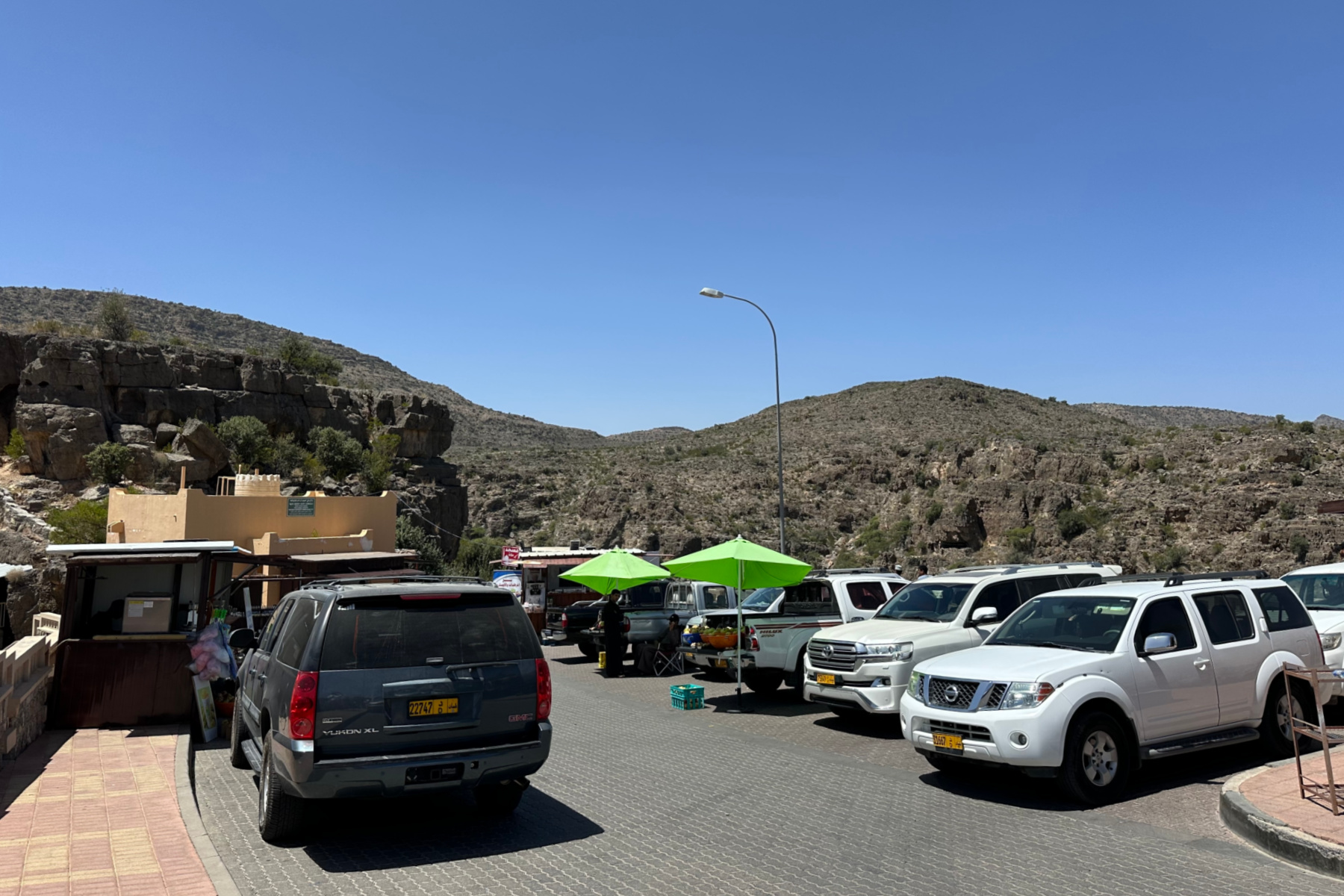

There is a small car park (about 10 spaces) at the top of the steps that you must climb down to reach the wadi and ruined village. During our first visit in December there were just a handful of other vehicles parked here.
During a later visit in September this was full and cars were parked all a long the roadway.
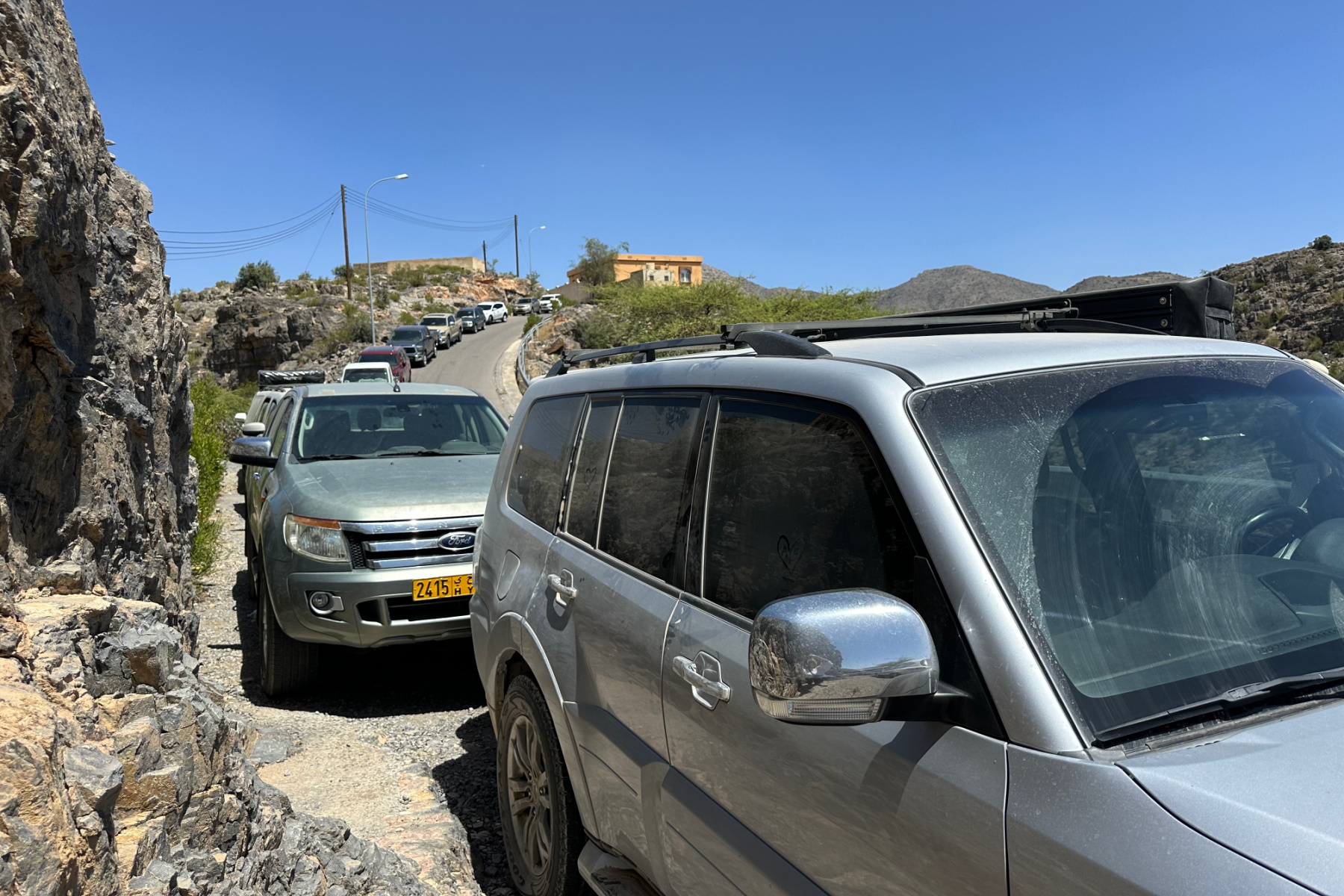

Turning around was tight, so if you see lots of cars on your approach pick an earlier parking spot to avoid getting jammed in.
In the car park there are free public toilets. These are squat-style. Bring your own toilet paper and hand sanitiser. There is only water for washing hands.
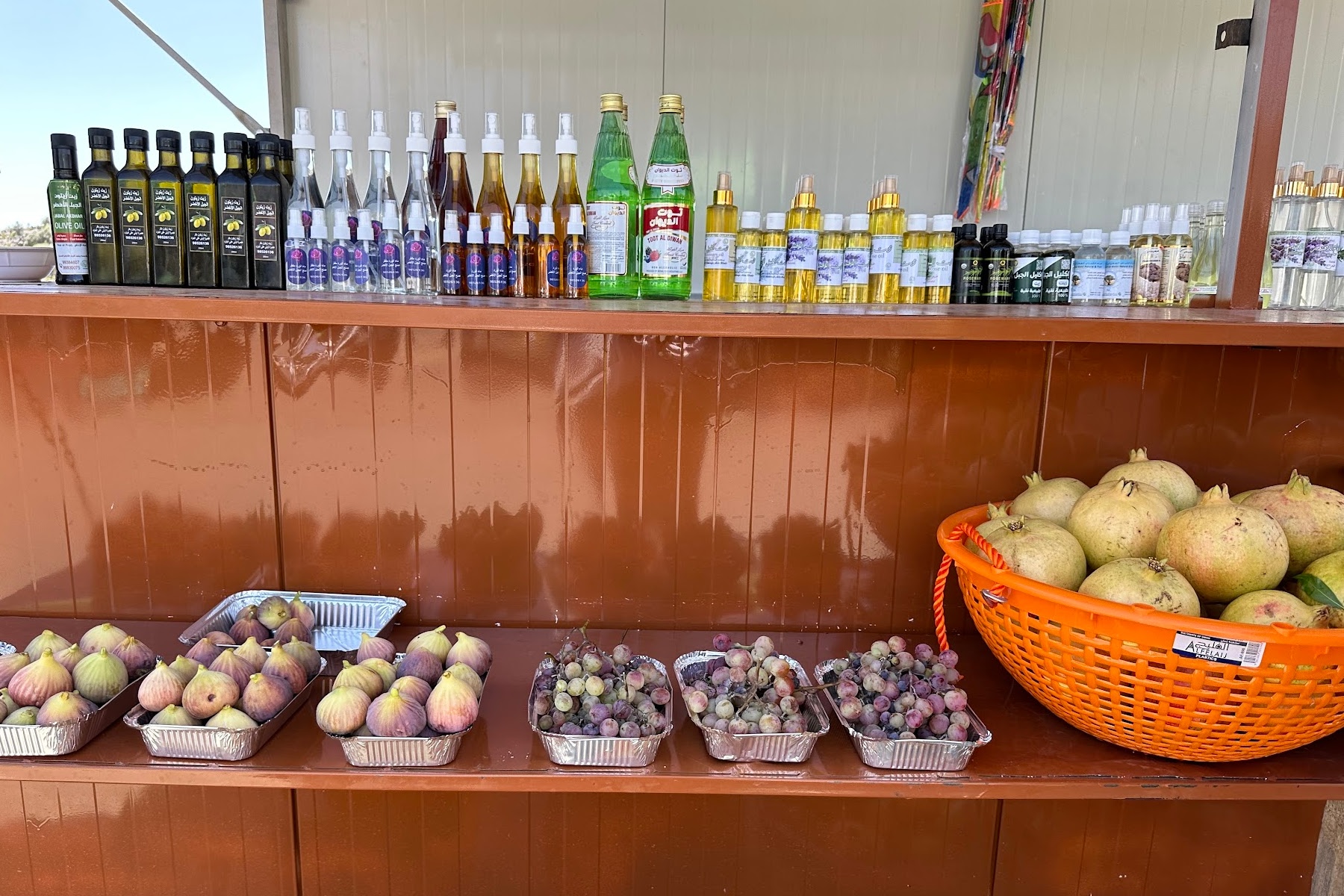
If you visit during the summer and shoulder seasons - Jebel Akhdar's high season - you might find market stalls in the car park selling fruit and other local produce as well as ice cream and popcorn.

Where to find Wadi Bani Habib
Here is the location of the car park for Wadi Bani Habib:
More tips for visiting Wadi Bani Habib
Here's some tips to make your visit more enjoyable:
- Simple but essential: wear comfortable walking shoes. Flip flops will not help you navigate the uneven surfaces of this crumbling village
- Wear conservative clothing that covers your shoulders and knees. This shows respect to local people
- Hike with a backpack containing water and a first aid kit in case of any minor accidents
- Take your time. This is not a place to rush about. Be sure footed and careful. Visiting families should keep a close check on children as it would be easy to have a nasty fall.
Where next
More ancient villages I can recommend visiting are the village of As Sab at the end of the Jebel Shams Balcony Walk, Misfat Al Abriyeen in the foothills of Jebel Shams and the restored village of The Suwgra near to Wadi Bani Habib.
After that, here's some more destinations to explore:





Testimonials
"The website is great! I'm practically studying on it! Loads of info, easy to read and follow, thank you so much for sharing. As an expat I know how much work there is behind it."
Oman Unpacked Facebook Group member
"Thank you for your immeasurable assistance in our planning for visiting Oman. Your website is a treasure trove. Great ideas for places to visit and spend time exploring."
Stephen from Australia
"Thanks for your website. We discovered the Suwgra thanks to you. We actually hiked the whole dirt road down to the village - 1h 10 of stunning scenery - and this made us decide to come back next year and stay there overnight."
Talitha from France